
Highlights:
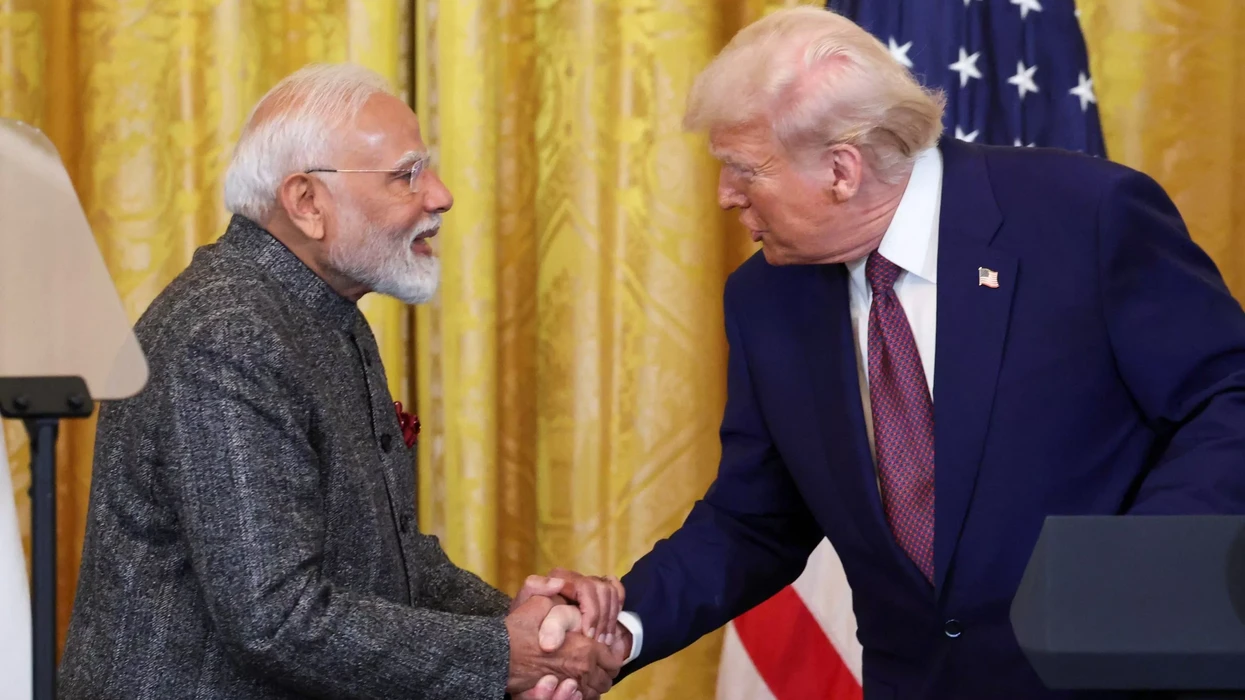
Amid rising trade tensions between India and the US, Indian prime minister Narendra Modi spoke with president Donald Trump on Thursday (11), highlighting the need to boost bilateral trade and strengthen strategic cooperation.
The leaders reviewed progress under the Comprehensive Global Strategic Partnership and discussed regional and global developments.
Modi described the call as 'warm and engaging' on social media, noting that the two leaders had examined developments in bilateral relations and agreed to continue working together to promote global peace, stability, and prosperity.
Both emphasized the importance of maintaining momentum in trade negotiations and collaboration across critical sectors, including technology, energy, defense, and security.
The discussions also touched on the India-US COMPACT (Catalyzing Opportunities for Military Partnership, Accelerated Commerce & Technology), a framework designed to deepen cooperation in areas central to 21st-century strategic priorities. Modi and Trump pledged to remain closely connected to address shared challenges and advance mutual interests.
The phone call coincided with the opening of two days of trade negotiations in New Delhi. US Trade Representative Jamieson Greer described India as a “tough nut to crack” but praised the Modi government’s recent market-access proposals as the “best ever” received by Washington. Greer noted that while India maintains restrictions on certain agricultural products, the ongoing discussions indicate a forward-leaning approach.
A US delegation, led by Deputy Trade Representative Rick Switzer, is meeting with Indian negotiators, including Commerce Department Joint Secretary Darpan Jain, under the supervision of Commerce Secretary Rajesh Agrawal. Indian Commerce and Industry Minister Piyush Goyal reported that talks are steadily progressing toward a potential bilateral trade agreement.
The negotiations are especially critical in light of recent escalations in trade tensions. The US has imposed a combined 50 percent tariff on certain Indian goods linked to India’s purchase of Russian oil—one of the highest levies imposed on any trading partner. Earlier this week, President Trump threatened additional tariffs on Indian rice following complaints of dumping by India, China, and Thailand. Trump questioned whether India had an exemption, signaling ongoing trade friction despite the broader push for a framework deal.
Both sides are working to resolve remaining differences, particularly regarding agricultural exports such as farm goods, meat, and dairy. The talks represent a strategic effort to diversify trade channels and strengthen the India-US partnership economically and strategically.
As discussions continue, both nations are keen to balance market access with broader geopolitical and economic priorities, underlining the importance of sustained dialogue and cooperation in navigating complex trade dynamics.