Highlights:
- Mojtaba Khamenei officially chosen as Iran’s new supreme leader.
- His father, Ali Khamenei, was killed in early strikes in the war.
- Israel says it will target any Iranian leader who continues hostile policies.
- Oil prices jump sharply as shipping through the Strait of Hormuz remains blocked.
- Global markets fall as fears of a long Middle East conflict grow.
Iran has officially named Mojtaba Khamenei as the country’s new supreme leader, replacing his father, Ali Khamenei, who was killed in an early strike during the ongoing war in the Middle East.
The decision signals that hard-line leadership will continue in Iran. It also reduces hopes for a quick end to the conflict with Israel and its allies.
Iran’s political system moved quickly after the elder Khamenei’s death. The Assembly of Experts, an 88-member clerical body responsible for choosing the supreme leader, voted to appoint Mojtaba Khamenei. Soon after the announcement, Iranian officials and institutions released statements pledging loyalty to him.
Government bodies, including the defense council, promised full support for the new leader. Public rallies and processions were planned across Iran for people to take loyalty vows.
Mojtaba Khamenei, 56, is a Shiite cleric who has strong influence within Iran’s security forces and their powerful business networks. Before the vote, he was already considered a leading candidate to succeed his father.
However, Iran remains deeply divided internally. Some Iranians openly celebrated the death of Ali Khamenei, especially after security forces killed thousands of protesters during recent unrest. That unrest was the worst domestic turmoil since the Iranian Revolution in 1979.
Despite these tensions, there have been few anti-government demonstrations since the war began. Activists say public protests are too dangerous while the country is under heavy military attack.
Israel has made it clear that it will continue targeting Iran’s leadership if Tehran does not change its policies. Israeli officials say the war aims to end Iran’s clerical rule.
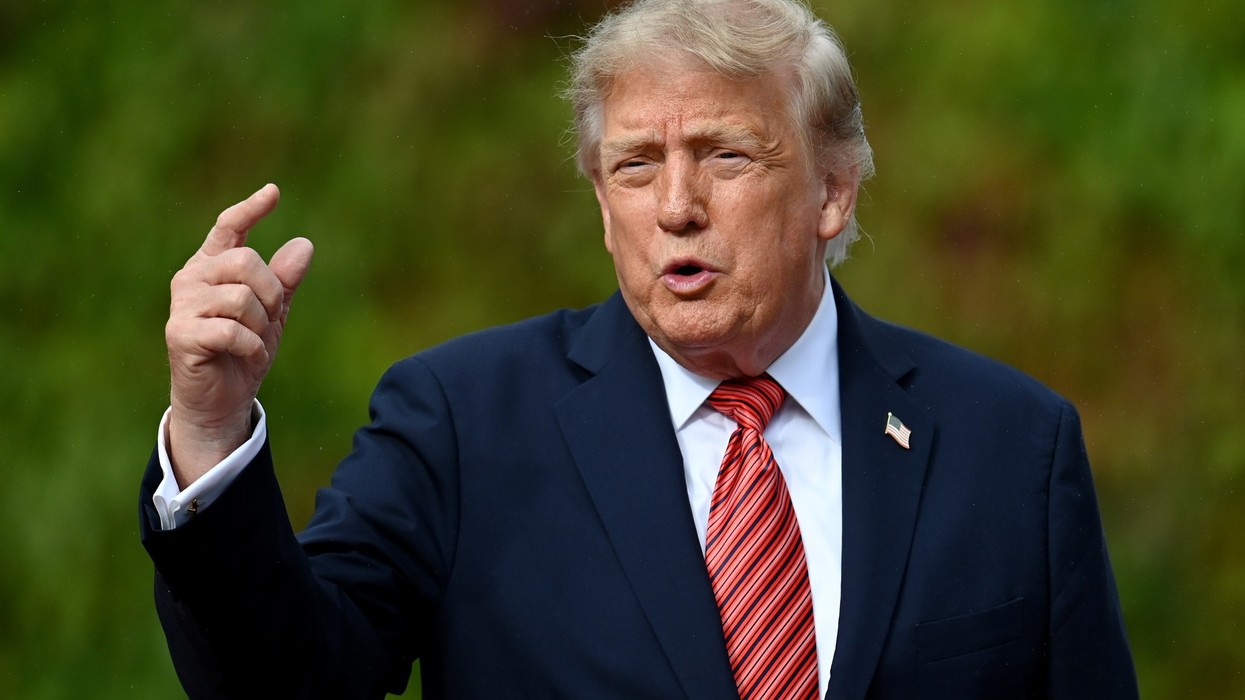
The United States initially said its main goal was to destroy Iran’s missile capabilities and nuclear program. But Donald Trump, the U.S. president, has since demanded Iran’s unconditional surrender and has called for a new government that is more cooperative with Washington.
Trump also said the United States should have influence over who leads Iran. He suggested the new leader might not remain in power if Washington does not approve.
The conflict is also causing major disruption to global energy markets. Fighting has effectively shut down shipping through the Strait of Hormuz, a critical waterway near Iran’s coast. Around one-fifth of the world’s oil and liquefied natural gas normally passes through this route.
With oil tankers unable to move for more than a week, producers have run out of storage space and have begun stopping production.
As a result, Brent crude prices jumped sharply, rising more than 15 percent to above $107 per barrel and briefly reaching nearly $120.
Airstrikes and missile attacks are continuing across the region. Israeli forces have launched new attacks in central Iran and also struck targets in Beirut, where the Iran-backed group Hezbollah has been firing rockets across the border.
The war has already caused heavy casualties. Iran says more than 1,300 civilians have been killed, while fighting has also killed people in Lebanon and members of the U.S. and Israeli militaries.
With the new Iranian leadership in place and fighting spreading, analysts warn that the conflict could last longer and continue to shake global energy markets.