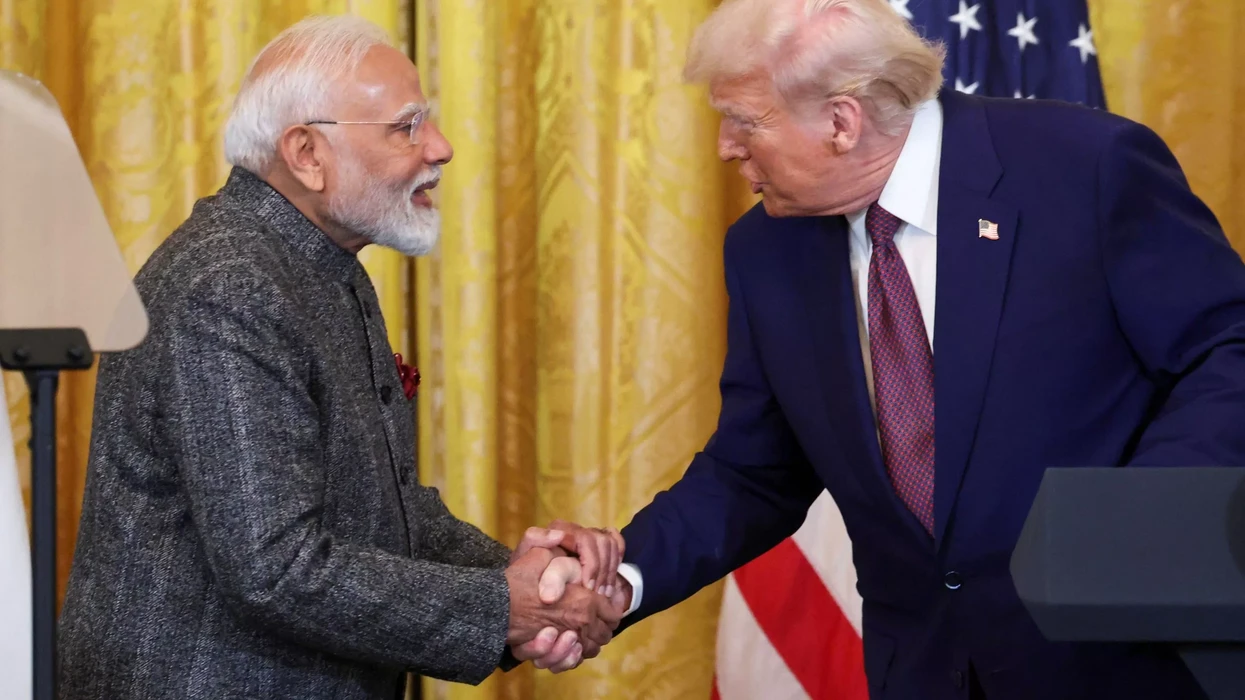

Indian prime minister Narendra Modi and president Donald Trump held a phone conversation on Tuesday (25) to discuss the escalating crisis in the Middle East, with both leaders underscoring the critical importance of keeping the Strait of Hormuz open and secure.
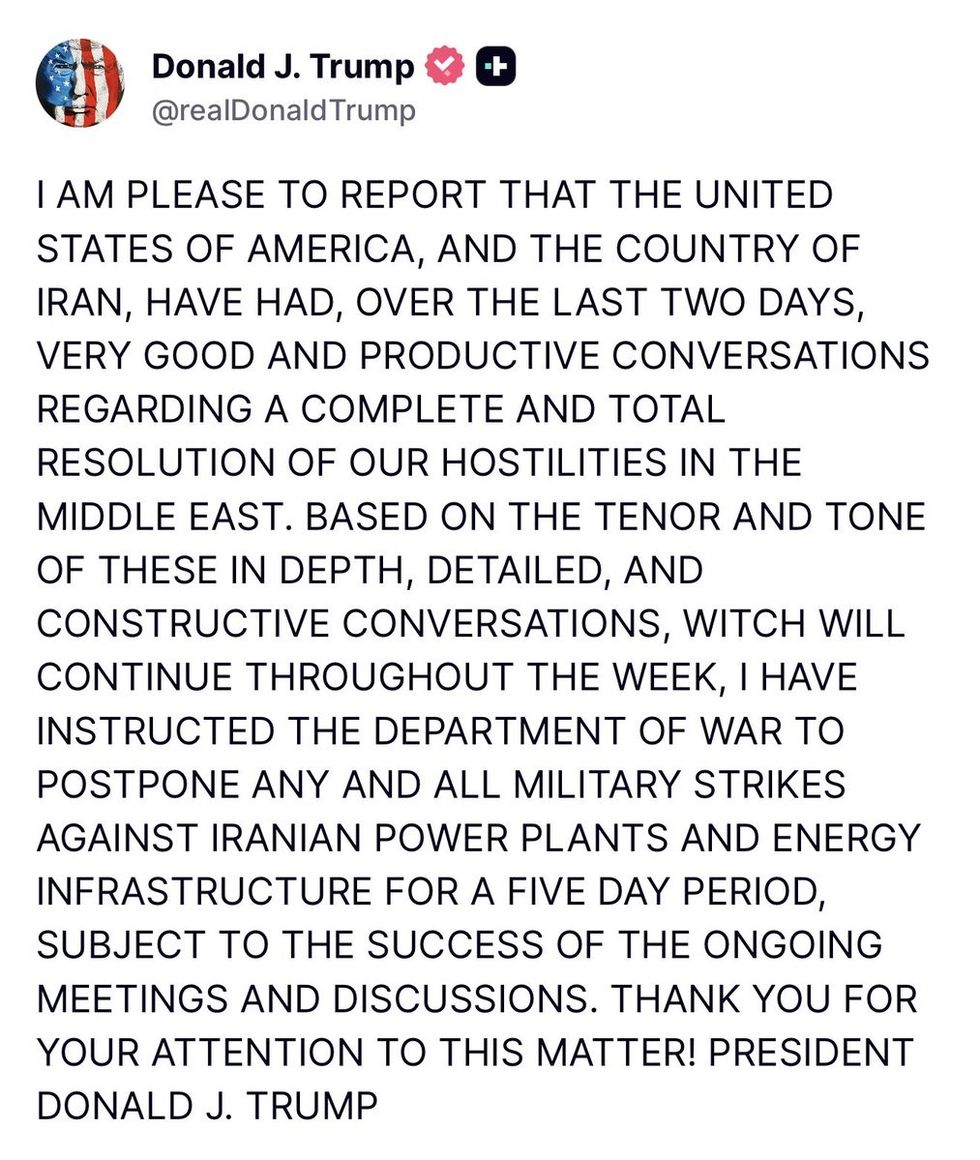
The call marked their first direct exchange since the United States and Israel carried out coordinated military strikes against Iran on February 28, an escalation that has heightened geopolitical tensions across the region. According to statements shared by both sides, the leaders focused on maintaining stability in global energy supply chains and preventing further disruptions.
Modi reiterated India’s position advocating de-escalation and a swift return to peace. He emphasized that ensuring the uninterrupted flow of traffic through the Strait of Hormuz is vital not just for regional stability but for the global economy as a whole. The narrow maritime corridor is one of the world’s most crucial oil transit routes, handling a significant portion of global crude shipments.
For India, the stakes are particularly high. Nearly 40 per cent of the country’s crude oil imports pass through the Strait of Hormuz, making any disruption a serious concern for energy security. The ongoing conflict has already impacted sectors such as aviation, shipping, and natural gas supply chains, contributing to volatility in global markets.
Earlier this week, Modi addressed parliament, acknowledging that the crisis has created unprecedented challenges for India. However, he reassured lawmakers that the country remains resilient, citing strong economic fundamentals and sufficient reserves of key resources, including petroleum, fertilizers, and coal, to manage potential supply shocks.
A White House official confirmed that the call between the two leaders took place but did not provide additional details about the discussion.
The situation in the Middle East continues to evolve, with global powers closely monitoring developments. As tensions persist, the focus remains on preventing further escalation while safeguarding critical trade routes like the Strait of Hormuz, whose stability is essential for sustaining global energy flows and economic balance.








 Instagram/