
Highlights:
The escalating conflict between the United States and Iran is emerging as a defining issue for independent voters, a critical group that could determine whether Republicans retain control of Congress in the upcoming November midterm elections. In Pennsylvania, a key swing state known for its shifting political loyalties, reactions to the situation reveal a mix of concern, frustration, and uncertainty.
At a modest breakfast diner in Levittown, just outside Philadelphia, locals shared candid views on the unfolding crisis. Jolene Lloyd, a 65-year-old retired postal worker, expressed deep skepticism about the direction of U.S. foreign policy. “Trump's just miring us in another Iraq, Vietnam situation,” she said, referencing two prolonged and controversial wars in American history. Although Lloyd has split her votes between parties in the past, she now plans to fully support Democrats in November.
Her concerns are not isolated. With Republicans holding only a narrow majority in Congress—where all House seats and about one-third of Senate seats are contested—any shift among independent voters could have major consequences. The outcome will decide whether President Donald Trump continues with a supportive Congress or faces a Democratic majority capable of blocking legislation and initiating investigations.
Economic anxiety is compounding the issue. Rising costs of living, particularly fuel prices, are already top of mind for many Americans. Lloyd voiced her frustration: “Gas prices are obviously skyrocketing... It's a total mess,” she said, as she watched the morning news over coffee. Democrats are expected to highlight such concerns in campaign messaging, tying economic strain to the Iran conflict.
Polling data underscores the divide. A recent Quinnipiac University survey found that independent voters oppose U.S. military action against Iran by a margin of 60 to 31 percent. Additionally, 71 percent believe the administration has failed to clearly explain the reasons for intervention.
Still, not all independents are opposed. Vince Lucisano, a 42-year-old welder who supported Trump in 2024, sees Iran as a legitimate threat. “I'm fine with it as long as there's not boots on the ground. Then I'll be a little more like invested and worried about it,” he said. “We need to just handle it and basically put Iran in their place. Once it becomes a full-blown war, then it gets a little scary.”
Despite some reservations, Lucisano intends to remain loyal to the Republican Party, even while questioning its foreign spending. “The guy who ran on 'America First' is dumping billions overseas. We're not putting America first there, bud,” he added.
Analysts suggest that unclear communication from the administration may be undermining support. Christopher Borick, a public opinion expert, noted that the combination of rising costs and vague justifications for military action is putting Republicans in a difficult position with independents.
Meanwhile, some voters remain willing to accept short-term sacrifices. Bobby Marozzi, a diner employee, supports Trump’s stance against Iran’s nuclear ambitions, even if the long-term benefits are uncertain. “If Trump is coming out and saying we have to sacrifice in order to have a better future, I would buy into that 100 percent,” he said. “If it's high gas prices and high groceries that we have to sacrifice for the next four years, it's OK so long as the Trump administration is going to get something done.”
Drawing on a metaphor from his work, Marozzi added, “We have a saying in the breakfast business that you can't make an omelet without cracking a few eggs, you know?”
For Lloyd, however, the message is simple and firm: “We need to stop.”





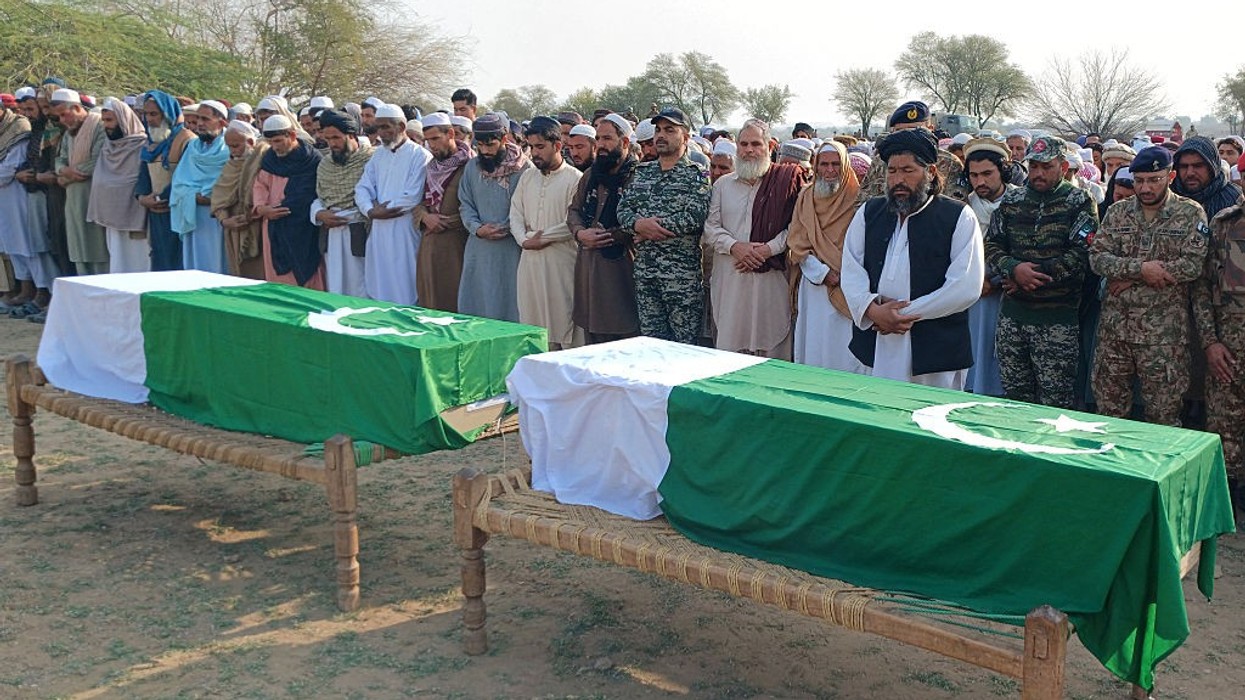
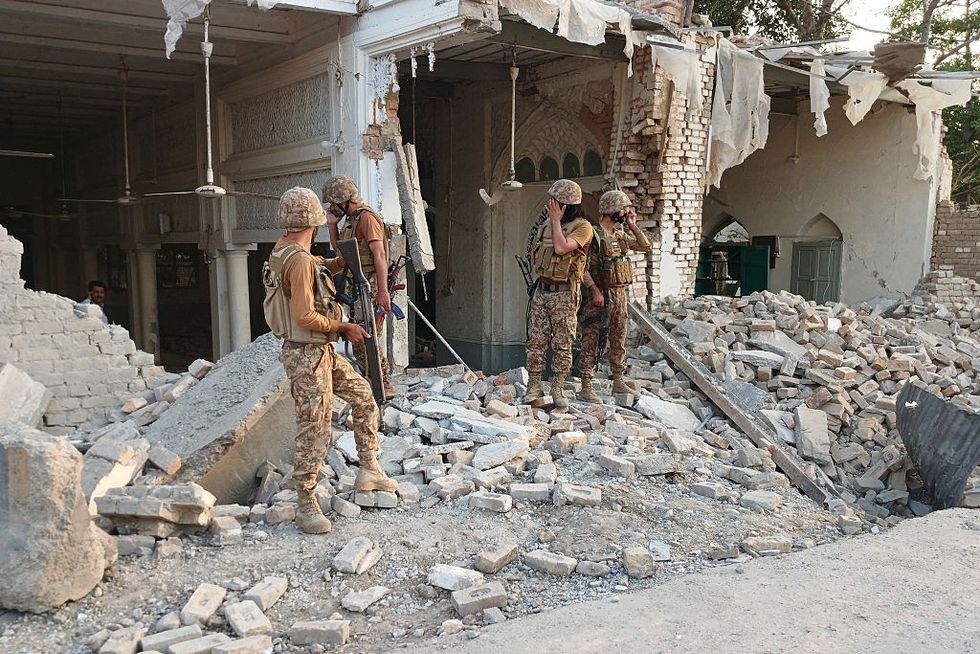 Army personnel stand amid the rubble following an explosion inside the police headquarters at Kohat in Pakistan's Khyber Pakhtunkhwa province on September 18, 2026. An explosion at a historic police headquarters in northern Pakistan on September 18 killed at least eight people and wounded 35 more, officials said, with the country's president swiftly blaming a militant group. Getty Images
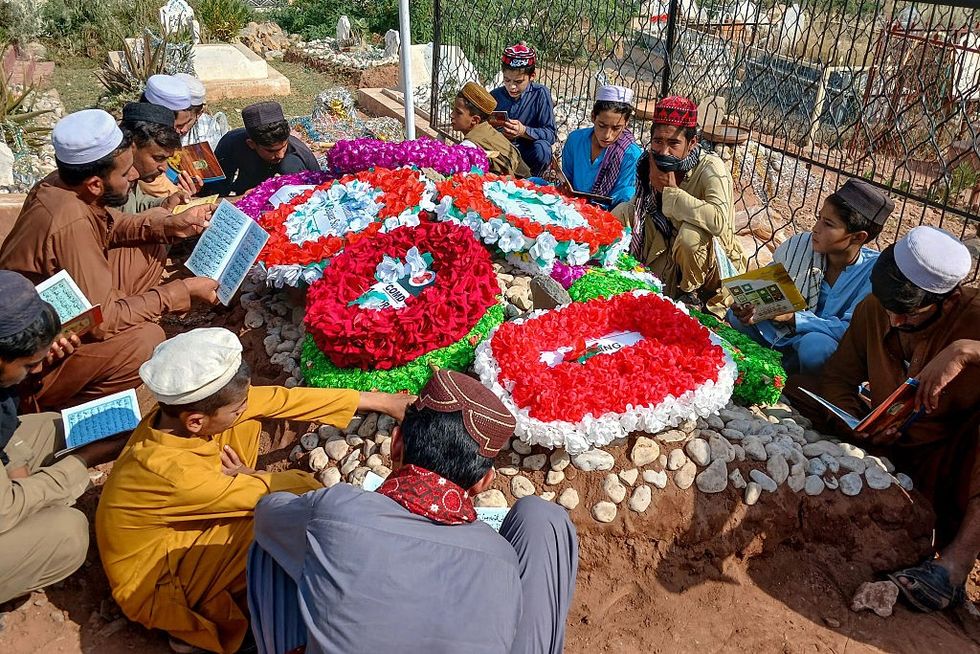 Mourners read the holy Quran while sitting around the grave of a paramilitary personnel of the Frontier Corps (FC) who was killed during the Afghanistan-Pakistan border clashes, in Kohat on October 17, 2025. A ceasefire along the frontier between Afghanistan and Pakistan was holding on October 16, officials on both sides said, after dozens of troops and civilians were killed in cross-border clashes.Getty Images