
Sri Lanka is confronting one of its gravest natural disasters in recent years as Cyclone Ditwah continues to unleash extensive flooding, landslides, and infrastructure collapse across the island. With at least 390 reported dead and more than 350 missing, rescue efforts have intensified, backed by a strong outpouring of international support. Among the most notable interventions has been India’s rapid and life-saving assistance, including the dramatic evacuation of a nine-month pregnant woman from the hard-hit Puttalam district.
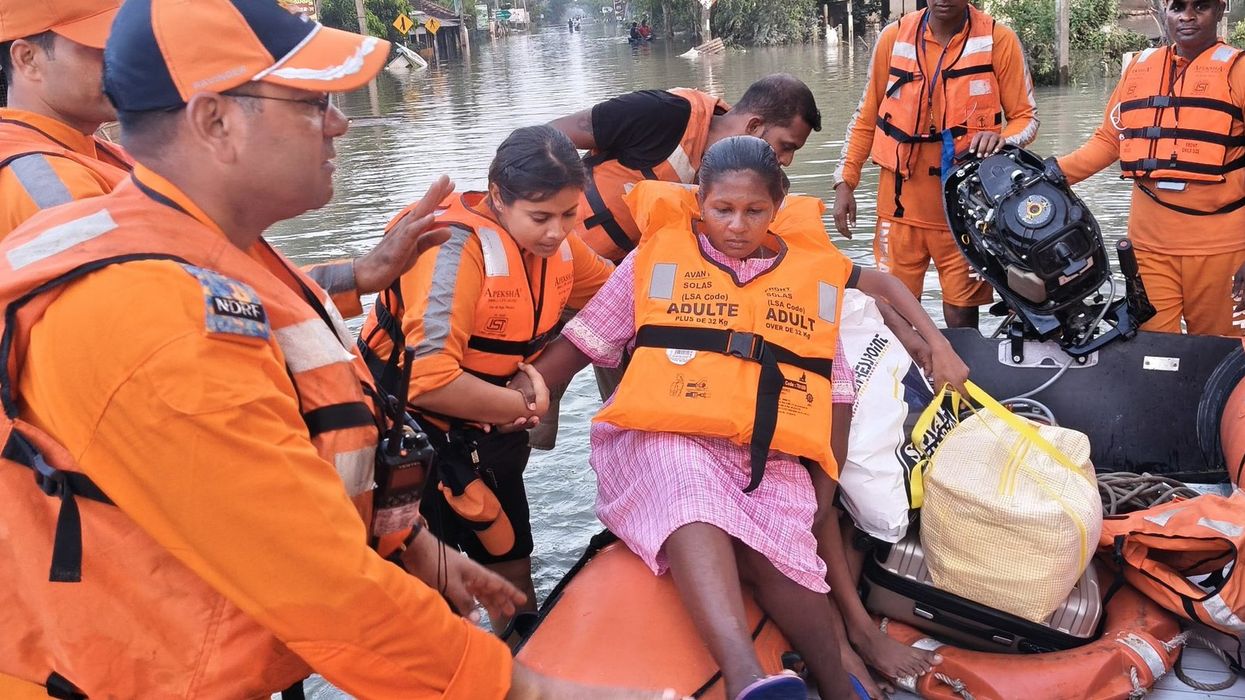
India mobilised its National Disaster Response Force (NDRF) immediately after the scale of devastation became clear, working in coordination with Sri Lankan authorities and the military. Under its Humanitarian Assistance and Disaster Relief effort, Operation Sagar Bandhu, Indian personnel have been conducting high-risk rescue missions, medical evacuations and supply drops across regions cut off by floodwaters and landslides.
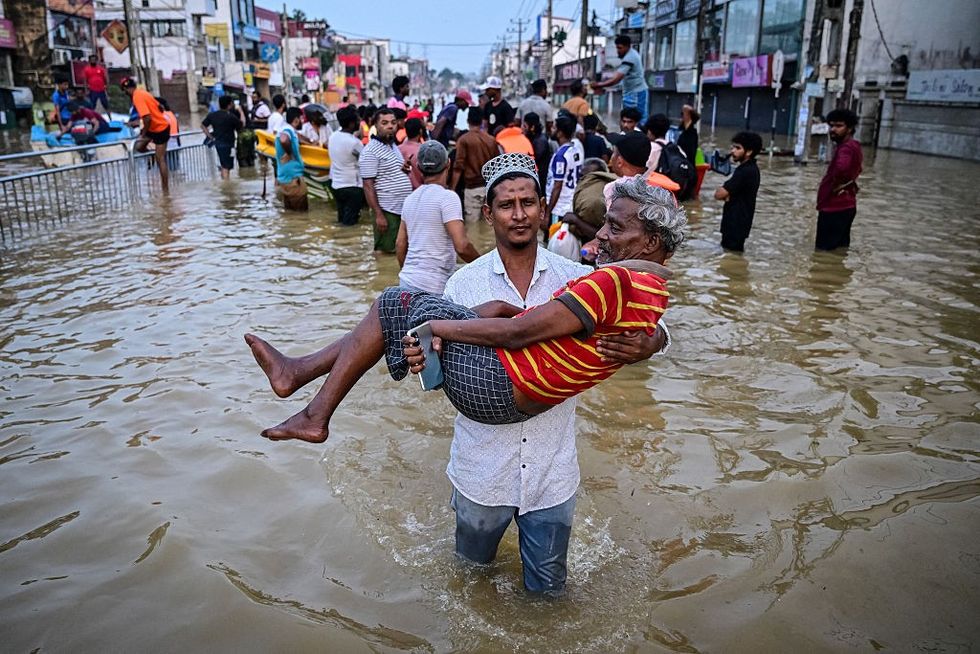 A youth carries an elderly man as they wade through a flooded street after heavy rainfall in Wellampitiya on the outskirts of Colombo on November 30, 2025. The death toll from floods and landslides triggered by Cyclone Ditwah has risen to at least 334 people across Sri Lanka, with nearly 400 still missing, the Disaster Management Centre said on November 30. Getty Images
One of the mission’s most significant rescues involved the safe evacuation of a heavily pregnant woman trapped in an isolated part of Puttalam. The Indian High Commission confirmed that she was swiftly transferred to medical care, highlighting the responsiveness and reach of the deployed teams. NDRF units also delivered essential food and supplies to nearly 800 stranded residents in and around Puttalam, navigating dangerous terrain and inaccessible routes to reach them.
Air support from India has been equally critical. Indian Air Force (IAF) helicopters have air-dropped more than 5.5 tonnes of essential relief material over some of the worst-affected zones. In Aranayake, where terrain prevented any landing, crews delivered supplies from hover positions. IAF teams also winched four critically injured survivors from a remote area near Ganthuna, transporting them to Rivisanda for urgent medical intervention. Meanwhile, the Indian Navy’s INS Sukanya transported additional relief supplies to Trincomalee, which were subsequently airlifted by the Sri Lanka Air Force to communities in the Eastern Province.
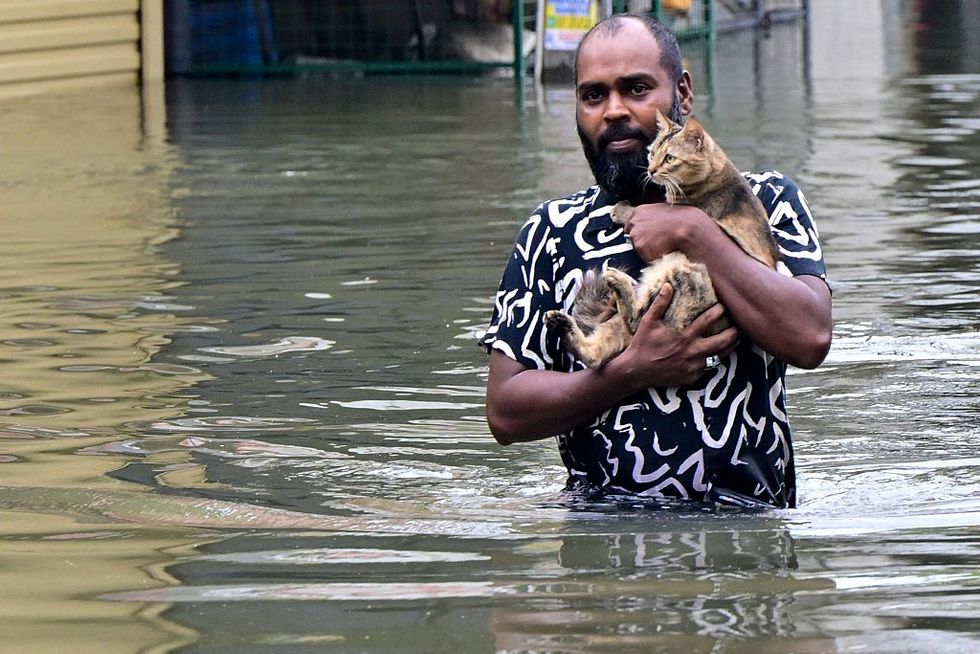 A man carries his cat across a flooded road in Wellampitiya on the outskirts of Colombo on November 29, 2025. Sri Lanka made an appeal for international assistance on November 29 as the death toll from heavy rains and floods triggered by Cyclone Ditwah rose to 123, with another 130 reported missing. Getty Images
The extent of the disaster is staggering. An initial assessment by the United Nations Office for the Coordination of Humanitarian Affairs (OCHA) indicates that more than 15,000 homes have been destroyed. Over 200 roads remain inaccessible, several bridges have collapsed, and significant damage has been inflicted on the rail network and national power grid. Access to clean water has become a serious concern, with many districts reporting little or no supply.
President Anura Kumara Dissanayake, in a national address on November 30, acknowledged the immense recovery challenge but expressed optimism about securing substantial international support. Besides India’s large-scale assistance, countries including Pakistan, China, Japan, Australia, New Zealand, and the United States have pledged financial aid, with Pakistan even deploying military personnel and relief materials.
Government officials have begun coordinating with the World Bank to conduct a comprehensive damage assessment, expected within two weeks. The Disaster Management Centre reports that nearly 1.4 million people from over 382,000 families across 25 districts have been affected.