
Highlights
- Netflix stepped back from takeover after rival Paramount Skydance tabled higher offer
- Political pressure from allies of Donald Trump coincided with industry resistance
- Concerns span media consolidation, cinema’s future and control of news assets
A deal that unravelled quickly
What once appeared to be a near-certain takeover of Warner Bros. Discovery by Netflix has collapsed after the streaming giant declined to match a significantly higher $111bn bid from Paramount Skydance.
Netflix said the revised price no longer made financial sense, ending a pursuit that had followed its board accepting an earlier $82.7bn proposal in December, pending regulatory clearance. The decision closes the chapter on a deal that had drawn scrutiny from both Washington and Hollywood.
Politics enters the boardroom
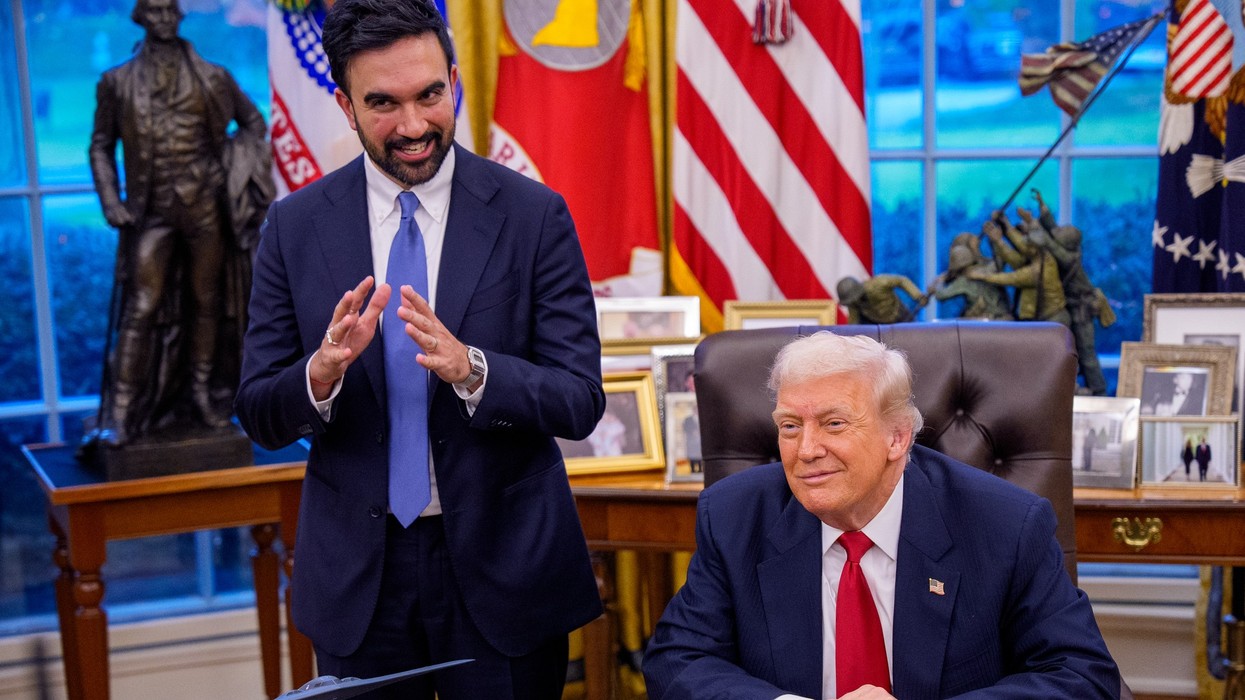
The attempted acquisition unfolded against a charged political backdrop. Netflix co-chief executive Ted Sarandos visited the White House this week and reportedly met US justice officials, underscoring expectations that the transaction would face close regulatory attention.
Figures within Trump’s orbit had openly criticised the bid, arguing the company’s cultural influence would expand further if it gained control of one of Hollywood’s historic studios.
Public interventions amplified the tension, including comments directed at board member Susan Rice after criticism of Trump on a podcast. Conservative commentators and lawmakers echoed similar concerns, framing the company as politically aligned with liberal figures, a claim Netflix has repeatedly rejected.
Hollywood’s own misgivings
Opposition did not come solely from political quarters. Some filmmakers and industry voices have long blamed the rise of streaming for eroding cinema’s traditional release model, arguing that a larger Netflix could accelerate that shift.
Director James Cameron was among those warning lawmakers that the takeover risked harming the theatrical business, while Netflix insisted it remained committed to cinema releases.
Not all in the industry shared that view. Actor Mark Ruffalo suggested that a Paramount Skydance acquisition would also represent significant consolidation, reflecting broader unease about the shrinking number of major studios.
The stakes beyond entertainment
At the heart of the competing bids lies control of major media assets. Paramount Skydance’s proposal would encompass the entire company, including the news network CNN, raising concerns about newsroom consolidation and potential political influence.
The Ellison family — with David Ellison leading the bid — are known associates of Trump, who has frequently criticised CNN and its leadership.
Netflix’s own plan had envisaged separating Warner’s news operations from its entertainment businesses, but with the streaming group now out of contention, the future shape of one of Hollywood’s largest media empires rests on whether the Paramount Skydance offer clears regulatory hurdles.
The episode has produced an unusual alignment: political conservatives wary of Netflix’s cultural reach on one side, and traditional Hollywood figures anxious about streaming’s impact on the other.
Whether Paramount Skydance ultimately succeeds, the collapse of Netflix’s bid highlights how modern media deals increasingly sit at the intersection of business strategy, cultural influence and political power — a dynamic likely to shape future consolidation across the entertainment industry.