
Highlights:
Pakistan is trying to position itself as a central mediator in the ongoing conflict involving Iran, the United States, and Israel. The country is carefully balancing its relationships with all sides while pushing for de-escalation. According to reports, Islamabad has even offered to host possible talks between senior officials from Washington and Tehran as early as this week.
Pakistan’s approach reflects cautious diplomacy. It has condemned strikes on Iran but also urged restraint from all parties. The effort is supported by its unique position: Pakistan has close ties with Iran, maintains friendly relations with Gulf nations like Saudi Arabia, and has working relations with the United States.
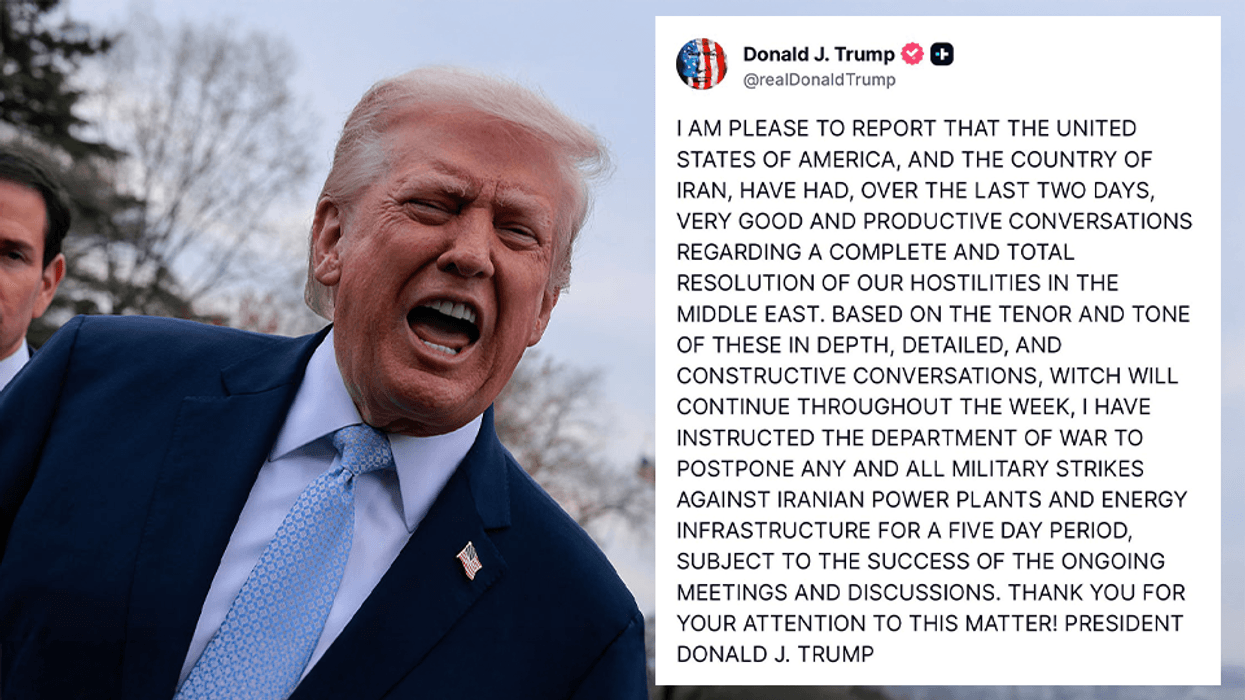
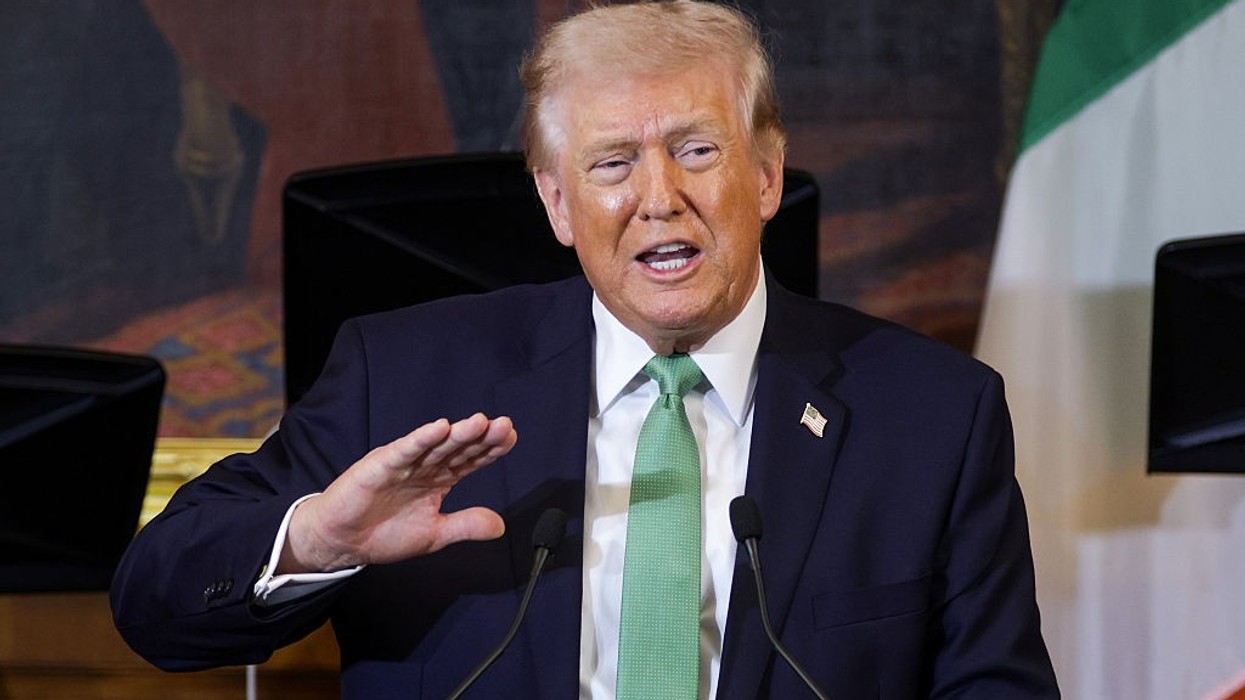
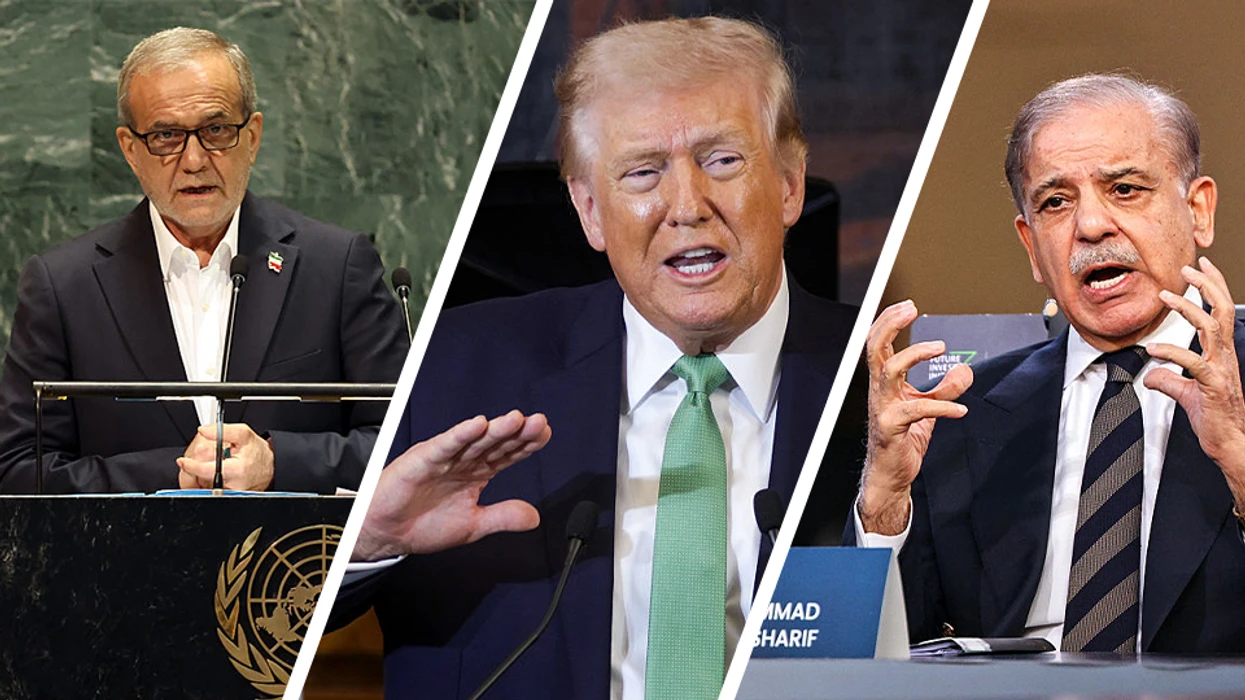
Recent high-level contacts highlight these efforts. Pakistan’s army chief Asim Munir reportedly spoke with president Donald Trump, while Pakistani prime minister Shehbaz Sharif held discussions with Iranian president Masoud Pezeshkian. These conversations came at a time when tensions appeared to slightly ease after Trump delayed a threat to strike Iran’s power infrastructure.
Trump stated that his decision followed “very good and productive” conversations with Tehran. However, Iran has denied holding direct talks with the United States. Still, Iranian officials acknowledged that some countries are passing messages between the two sides.
"Over the past few days, messages were received via certain friendly states conveying the US request for negotiations to end the war. Appropriate responses were given [to those initiatives] in accordance with the country's fundamental positions," said Esmaeil Baqaei.
Iran emphasized that its position has not changed, particularly regarding strategic areas like the Strait of Hormuz. Meanwhile, parliamentary speaker Mohammad Bagher Ghalibaf dismissed claims of negotiations.
"Fakenews is used to manipulate the financial and oil markets and escape the quagmire in which the US and Israel are trapped," he said.
Reports suggest Pakistan has been facilitating back-channel communication between Iranian officials and members of Trump’s team, including envoys like Steve Witkoff and Jared Kushner. Pakistani prime minister Sharif has also reportedly spoken multiple times with Iran’s leadership since the conflict began.
Pakistan’s foreign minister Ishaq Dar is said to have informed Arab counterparts that Islamabad is playing a mediating role, though details remain limited. Pakistan’s neutrality, partly because it does not host US military bases, has helped it avoid direct attacks from Iran and strengthened its position as a possible mediator.
Other countries are also involved in diplomatic efforts. Egypt, Turkey, and Gulf states are reportedly helping relay messages between the US and Iran. Turkey, in particular, has been working with Iranian officials and US representatives to try to secure a temporary ceasefire.
Despite these efforts, the situation remains tense. The White House has declined to provide details. Press Secretary Karoline Leavitt said, "These are sensitive diplomatic discussions and the United States will not negotiate through the news media."
Experts warn that expectations for a breakthrough should remain low. Analysts say current efforts are still in early stages, mostly involving indirect communication rather than formal negotiations. Sanam Vakil noted that several countries are “scrambling” to reduce tensions but do not see an immediate end to the conflict.
She added that neither side appears ready to compromise, making a lasting agreement difficult in the near term.