
Highlight:
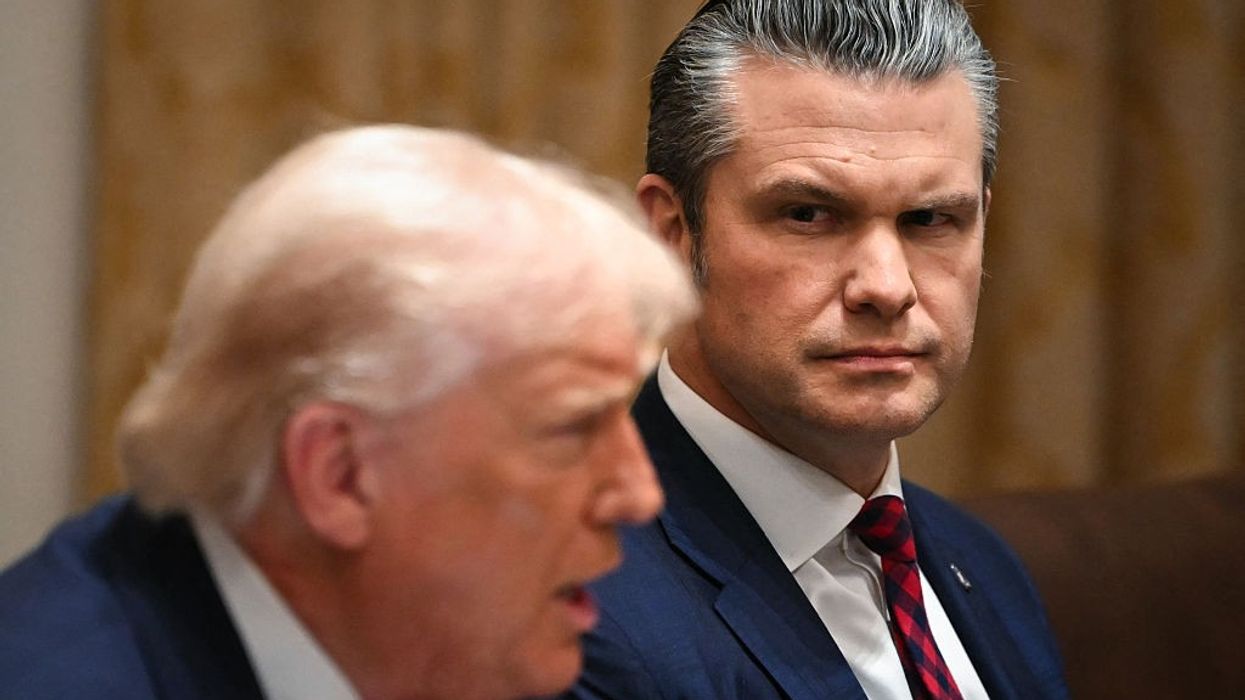
Defense Secretary Pete Hegseth faced sharp scrutiny on two fronts this week as lawmakers reviewed newly released video of deadly US military strikes on an alleged drug-running boat in the Caribbean. The September operation, which resulted in the deaths of two survivors during a second round of strikes, continues to raise questions from Democratic lawmakers demanding accountability and public access to the full footage.
Hegseth was also criticized for using the encrypted messaging app Signal while discussing a separate US attack on Yemen, a move that has drawn concern about transparency and record-keeping.
Navy Adm. Frank M. Bradley, who oversaw the Caribbean operation, defended the second strike in a closed-door briefing. According to NPR reporting, Bradley told lawmakers that the survivors had been communicating with associates by radio and attempting to recover narcotics from the damaged vessel.
He argued these actions justified the decision to authorize an additional strike. While Republicans continue to back the Pentagon’s tactics against alleged drug traffickers, Democrats insist that the public deserves to see the full video and assert that Hegseth ultimately bears responsibility.
In another major development, the FBI announced the arrest of a long-sought suspect believed to have planted pipe bombs near the US Capitol complex on January 6, 2021. Authorities said 30-year-old Brian J. Cole Jr. of Woodbridge, Virginia, has been charged with transporting an explosive device across state lines and attempted malicious destruction using explosives.
According to an FBI affidavit summarized by NPR’s Ryan Lucas, investigators traced Cole’s purchase of materials consistent with those used to build the devices, and cellphone data placed his phone near the locations where the bombs were found on the night they were planted. Federal prosecutors are expected to reveal more about motives and alleged connections as the case moves into court.
Meanwhile, the political landscape is shifting after the Supreme Court allowed Texas to implement a new congressional map projected to give Republicans up to five additional US House seats. The ruling overturned a lower court’s finding that the map likely involved racial discrimination.
NPR’s Hansi Lo Wang reports that the Court’s conservative majority accepted Texas lawmakers’ argument that the map was designed to improve Republican electoral prospects rather than target voters based on race. The decision could influence redistricting battles elsewhere, especially as the Court prepares to rule on a key case involving Louisiana’s congressional districts.