
Highlights:
- Rahul Gandhi accused the government of endangering Indian farmers through the US trade deal.
- He claimed US tariffs on Indian goods have effectively risen to 18 per cent.
- The US revised its factsheet, removing references to tariff cuts on certain pulses.
- The Modi government denied harming agriculture and defended the agreement.
- Agriculture accounts for about 20 percent of India’s GDP and supports millions of livelihoods.
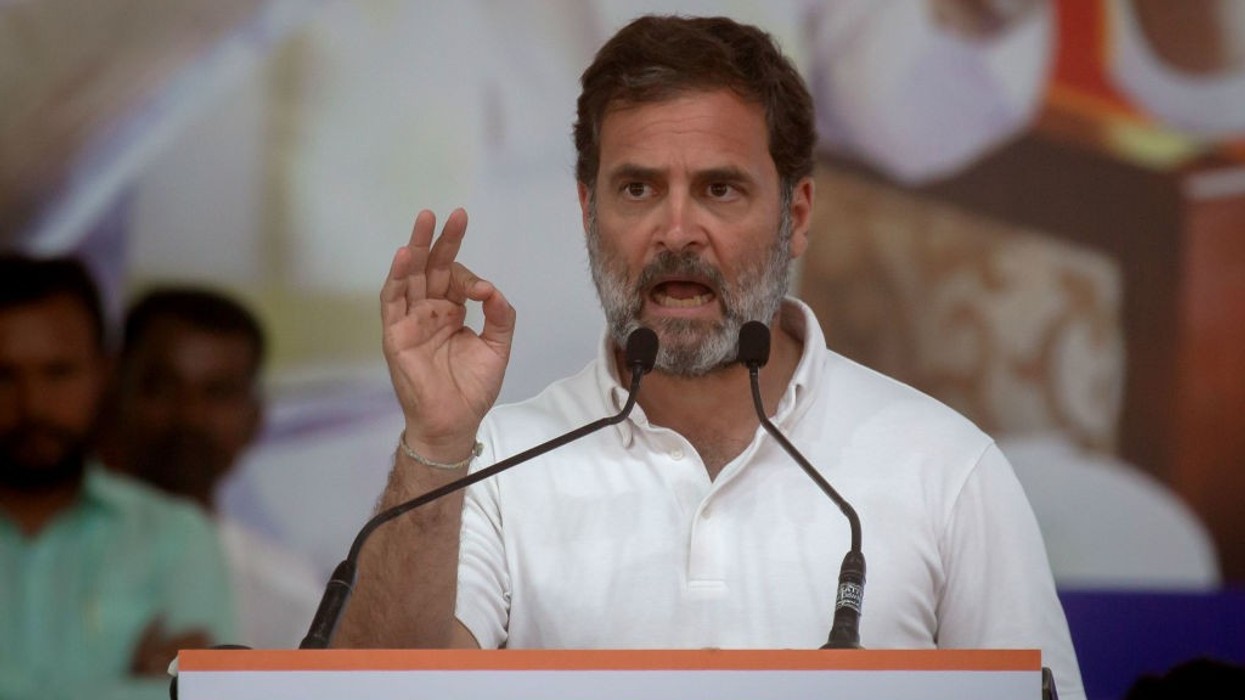
India’s opposition leader, Rahul Gandhi, launched a blistering attack on Indian prime minister Narendra Modi’s government on Wednesday (11), accusing it of 'selling out' the country’s farmers in a new trade and tariff agreement with the United States.
Speaking in the Lok Sabha, the lower house of Parliament, Gandhi alleged that the deal opens India’s politically sensitive agriculture and dairy sectors to American imports, putting millions of small and marginal farmers at risk. “You have sold India… are you not ashamed of selling India?” Gandhi said, invoking 'Bharat Mata,' or Mother India.
At the center of Gandhi’s criticism is his claim that U.S. tariffs on Indian goods have effectively increased under the new framework. He said average US tariffs, previously around 3 percent under most-favored nation rules, have risen to 18 percent. In recent months, tariffs had climbed as high as 50 percent following president Donald Trump’s push for reciprocal trade measures and a 25 percent penalty tied to India’s purchase of Russian oil.
Gandhi argued that India has committed to expanding imports from the United States, including a reported pledge to buy $500 billion worth of American energy and technology products, without securing equal concessions. He said US exports to India could rise sharply under the agreement.
The government strongly rejected the allegations. Parliamentary Affairs Minister Kiren Rijiju demanded evidence and accused the opposition of misrepresenting the deal. He defended Prime Minister Modi’s leadership and said India’s progress was being undermined for political reasons.
The controversy deepened after the United States revised an official factsheet about the agreement, removing language referencing tariff reductions on “certain pulses.” Agriculture remains one of India’s most politically sensitive sectors, contributing about one-fifth of GDP.
Indian commerce minister Piyush Goyal has assured farmers that self-sufficient sectors remain protected under the deal, but the agreement has quickly become a major political flashpoint.