
Highlights:
- Sheikh Hasina accused Muhammad Yunus of running an “illegal and violent” government
- She called Bangladesh a “vast prison” where democracy is now “in exile”
- Hasina urged supporters to overthrow what she termed a “foreign-backed puppet regime”
- Five demands were outlined, including new elections and a UN investigation
- The speech signaled her intent to shape Bangladeshi politics from abroad
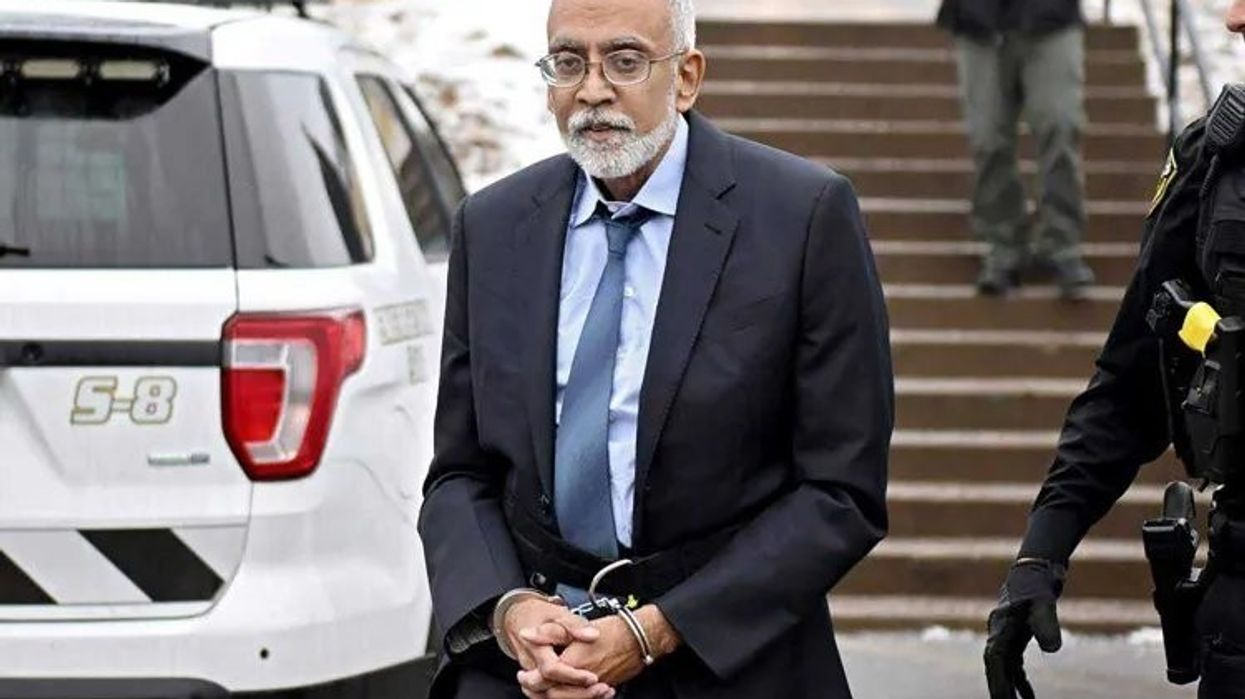
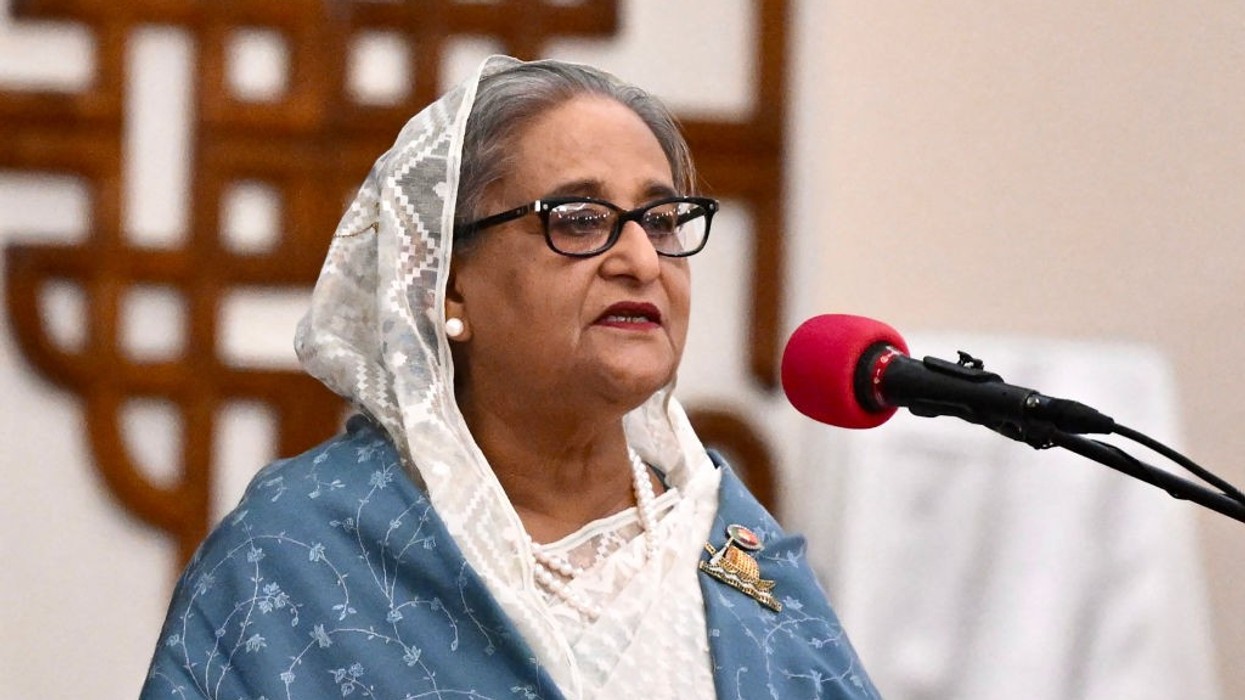
Former Bangladeshi prime minister Sheikh Hasina delivered her first public address from exile in India on Thursday, launching an uncompromising and deeply personal attack on Nobel Peace Prize laureate Muhammad Yunus, whom she repeatedly branded a “murderous fascist” and an enemy of Bangladesh’s sovereignty.
Speaking via an audio message to a packed audience at the Foreign Correspondents’ Club in New Delhi, Hasina described the current political crisis in Bangladesh as an existential threat to the nation’s democracy, constitution, and founding ideals. The event, titled Save Democracy in Bangladesh, was attended by former ministers from her Awami League government and members of the Bangladeshi diaspora.
Hasina claimed she was forcibly removed from office on August 5, 2024, as part of what she called a “meticulously engineered conspiracy.” Since then, she said, Bangladesh has descended into an era of fear and repression. “The nation has been plunged into an age of terror,” she declared. “Democracy is now in exile.”
Painting a grim picture of life under the Yunus-led interim administration, Hasina alleged widespread lawlessness, mob violence, extortion, and the collapse of public safety. She accused the government of allowing unchecked violence against women, religious minorities, journalists, and political opponents, while systematically dismantling press freedom and judicial independence.
Her sharpest criticism was reserved for Yunus himself. Hasina accused him of betraying the nation, looting its resources, laundering money, and serving foreign interests at the expense of Bangladesh’s sovereignty. She warned that his leadership was pushing the country toward regional instability and even multinational conflict.
Invoking the legacy of Bangladesh’s Liberation War and her father, Sheikh Mujibur Rahman, Hasina framed the current struggle as a continuation of the fight for independence. Her speech repeatedly referenced themes of resistance, betrayal, and national survival, culminating in chants of “Joy Bangla” and “Joy Bangabandhu” from the audience.
Beyond rhetoric, Hasina laid out five specific demands that she said were essential to restoring democracy. These included the removal of what she called the “illegal Yunus administration,” an end to street violence, firm guarantees for the safety of minorities and women, a halt to politically motivated prosecutions, and a new, truly impartial United Nations investigation into the events of the past year.
Positioning the Awami League as the sole legitimate guardian of Bangladesh’s democratic and pluralist traditions, Hasina vowed that her party would lead the effort to reclaim what she described as a “thriving homeland that was snatched away.”
The address underscored the depth of Bangladesh’s political polarization and marked a clear signal that Hasina intends to remain an active and influential force in the country’s politics from exile. Whether her call for mass mobilization and international intervention gains traction remains uncertain, but her message was unequivocal: the fight, she insists, is far from over.