
Highlights:
- EB-1A visa applications have tripled in four years as backlogs worsen
- A global market now sells research authorship, citations, and awards
- USCIS officials warn that fraudulent credentials are increasingly common
- “Profile-building” programs charge up to $10,000 with mixed results
- US immigration authorities are intensifying fraud investigations
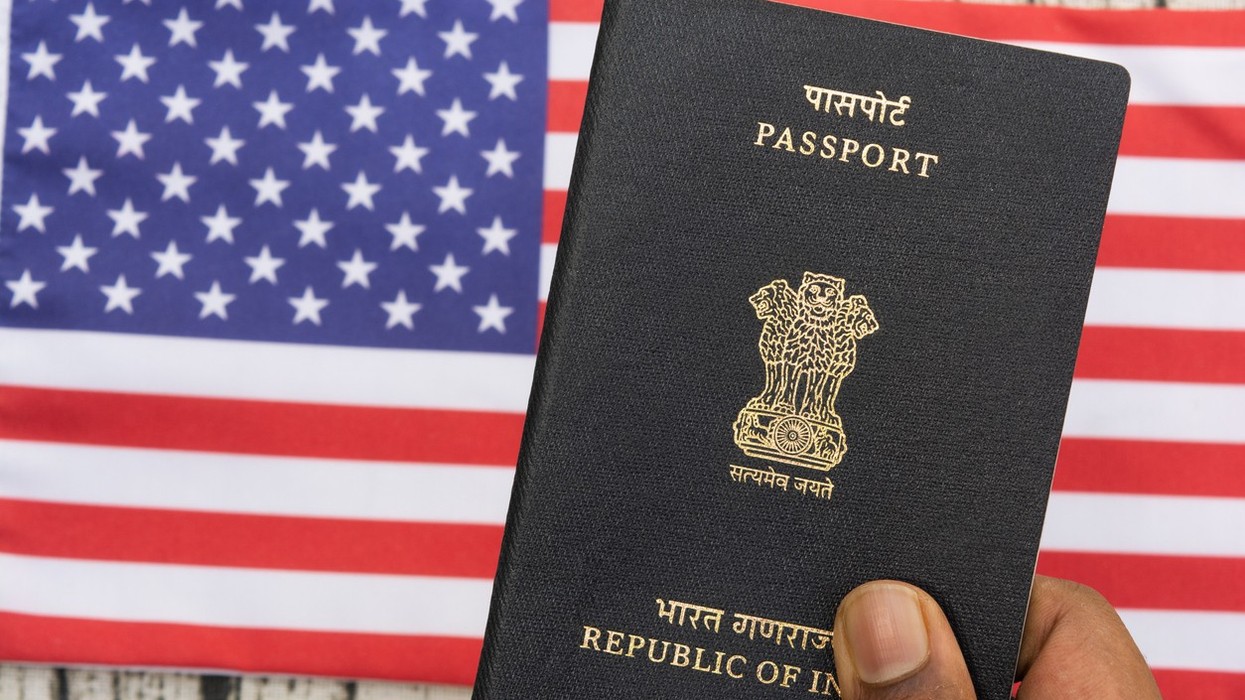
The EB-1A visa is designed for individuals with “extraordinary ability” in fields such as science, technology, business, the arts, or athletics. Applicants must prove sustained national or international acclaim by meeting at least three out of ten criteria, including winning major awards, publishing influential research, or holding membership in elite professional associations.
Because it does not require employer sponsorship and is less backlogged than other employment-based visas, the EB-1A has become highly attractive, especially to applicants from countries like India and China, where wait times for other visas can stretch for years.
A spike in applications and suspicion
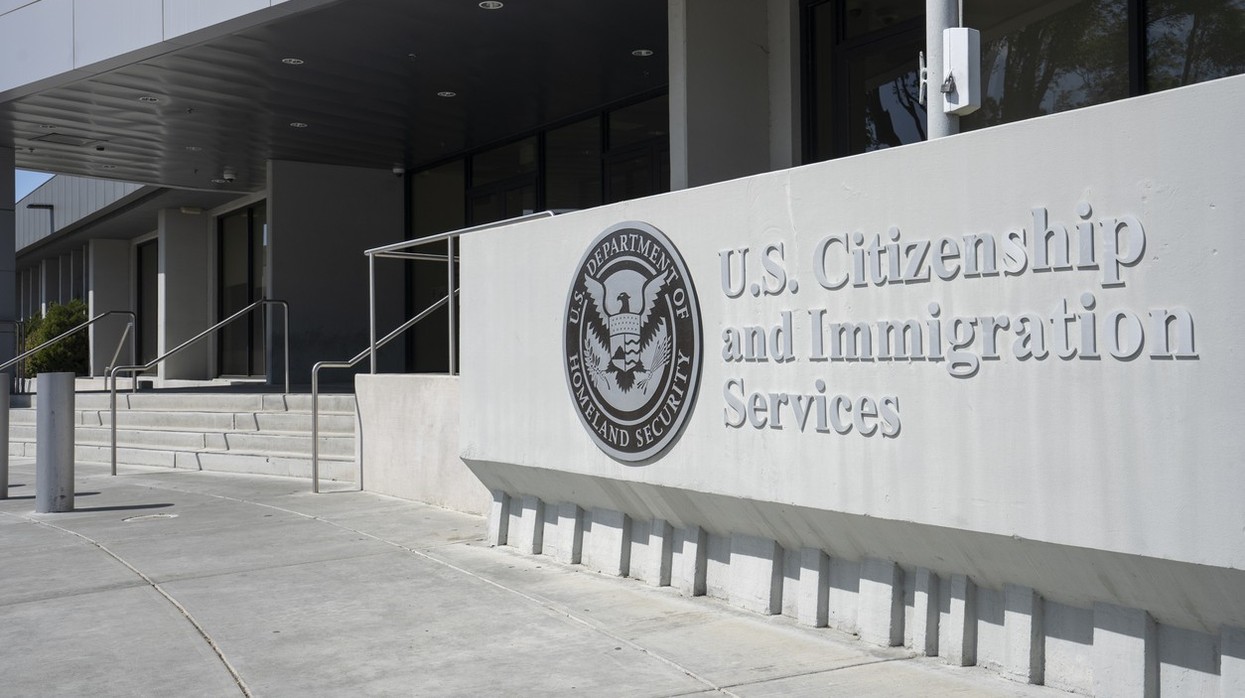
According to the US Citizenship and Immigration Services (USCIS), EB-1A petitions have tripled over the past four years. Nearly 7,500 applications were filed between April and June 2025 alone, compared to about 2,500 in late 2021. At the same time, approval rates have declined, dropping from above 70 per cent in 2021 to closer to 50 per cent in recent months.
Former USCIS officials told CBS News that the agency is increasingly encountering applications supported by purchased or fabricated credentials. “If you have money, you have a way to buy your evidence,” one former official said, describing a system where wealth can substitute for genuine achievement.
The rise of research brokers
At the center of this problem is a growing industry of academic research brokers. These middlemen, often operating anonymously on WhatsApp, Telegram, or Facebook, offer services such as ghostwritten research papers, paid authorship slots, and citation boosting.
CBS News identified advertisements openly targeting visa applicants, promising quick publications and impressive citation counts. Some brokers charge as little as $500 to add a client’s name to a research paper without requiring any real contribution. Others sell citations by publishing low-quality or sham articles that reference a client’s work to inflate credibility.
While some papers appear in predatory journals, others make it into conferences or publications affiliated with respected organizations, raising alarm within the academic community.
How low-quality research slips through
Researchers studying academic fraud say bad actors have found ways to exploit even reputable journals. In some cases, compromised editors allow almost any paper to be published. In others, authors request additional names be added late in the editing process, after acceptance, making it easy to sell authorship slots.
“Peer review is supposed to take months or longer,” said one academic fraud expert. “If something is published in hours or days, that’s a massive red flag.”
The business of 'profile building'
Beyond research papers, a broader category of “profile-building” services has emerged. These programs promise to help candidates meet EB-1A criteria through coaching, resume enhancement, and guidance on awards or professional memberships.
One Arizona-based company, the Next League Program, advertises that clients can become EB-1A eligible in just months. Former participants told CBS News they paid around $10,000 but received mostly pre-recorded content and little personalized guidance. Some said they later realized fellow participants appeared to be buying credentials rather than earning them.
Several EB-1A recipients connected to such programs received the same little-known “vanity awards,” which immigration attorneys say are easy to obtain by paying a fee.
Where the line gets blurry
Not all profile-building is illegal. Immigration attorneys note that legitimate coaching, networking, and career development are acceptable. The challenge is distinguishing ethical assistance from outright fraud.
“That line between fair game and shady can be very hard to spot,” said immigration attorney Loren Locke.
USCIS says it is ramping up efforts to combat fraud across all visa categories. The agency has launched a new vetting center, increased screening, and signaled it may reexamine previously approved EB-1A cases. If fraud is proven, visas can be revoked—and even US citizenship can be stripped.
USCIS officials have warned that while brokers profit regardless of outcomes, applicants caught using fake credentials risk long-term consequences, including permanent inadmissibility.
Most EB-1A applicants are legitimate, experts stress. But growing backlogs, intense competition, and desperation have created fertile ground for abuse. As one attorney put it, “When people feel trapped, they take risks.”
With USCIS tightening scrutiny and proposing new rules to clarify evidentiary standards, the message is increasingly clear: shortcuts to extraordinary ability may lead not to a green card, but to serious legal trouble.