
Highlights
- EB-1A applications have tripled since 2021
- Approval rates have fallen to around 50 per cent
- Backlogs for H-1B and other visas continue to grow
- Indian and Chinese applicants are most affected
- USCIS has intensified screening and fraud detection
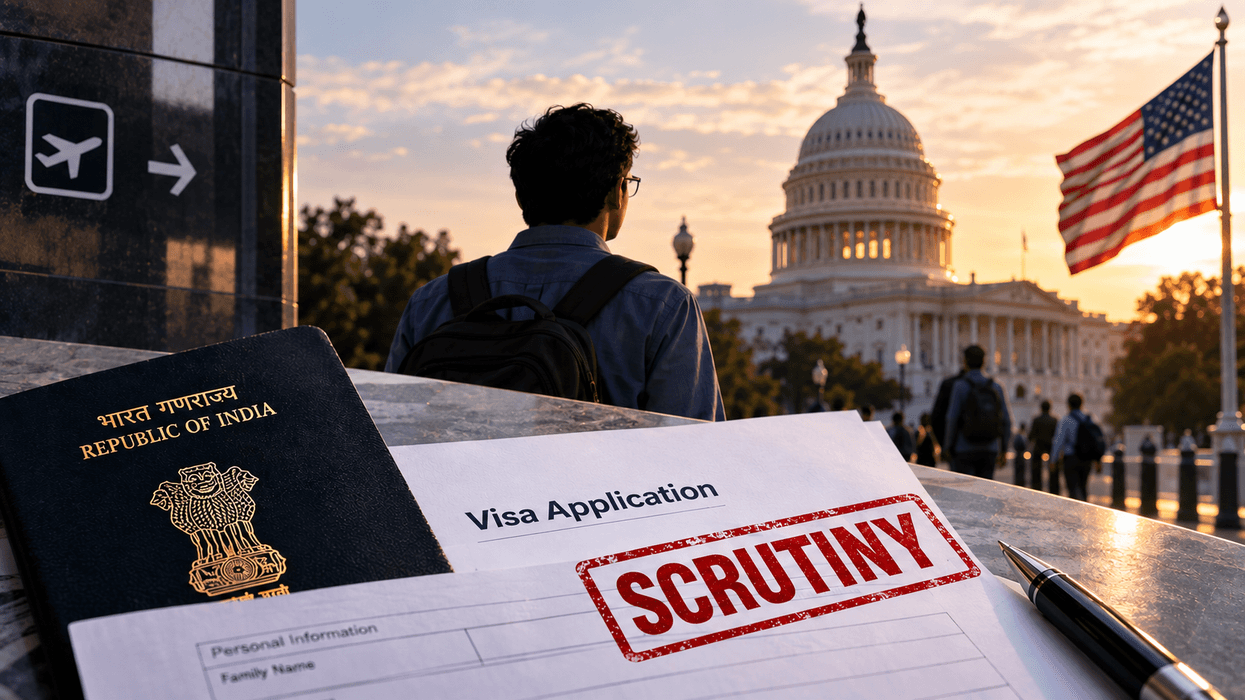
The United States is witnessing a sharp rise in applications for the EB-1A visa, often referred to as the “Einstein visa,” as employment-based immigration backlogs continue to expand. The EB-1A category is reserved for individuals with extraordinary ability in fields such as science, arts, education, business, or athletics and is widely viewed as one of the most prestigious pathways to US permanent residency.
Unlike most employment-based visas, the EB-1A allows applicants to self-petition for a green card without requiring sponsorship from a U.S. employer. This unique feature has made the category increasingly attractive to highly skilled professionals seeking an alternative route amid long waits in other visa programs.
According to data from US Citizenship and Immigration Services (USCIS), EB-1A applications have increased threefold over the past four years. Between April and June 2025 alone, nearly 7,500 petitions were filed, compared with roughly 2,500 applications during the same period in late 2021. Immigration experts attribute this surge to growing frustration with delays in other employment-based visa categories, particularly the H-1B.
However, as demand has risen, approval rates have declined. USCIS statistics show that approval rates for EB-1A petitions have dropped from approximately 67 per cent four years ago to about 50 per cent today. The decline suggests that immigration officers are applying stricter standards and conducting more detailed reviews as application volumes climb.
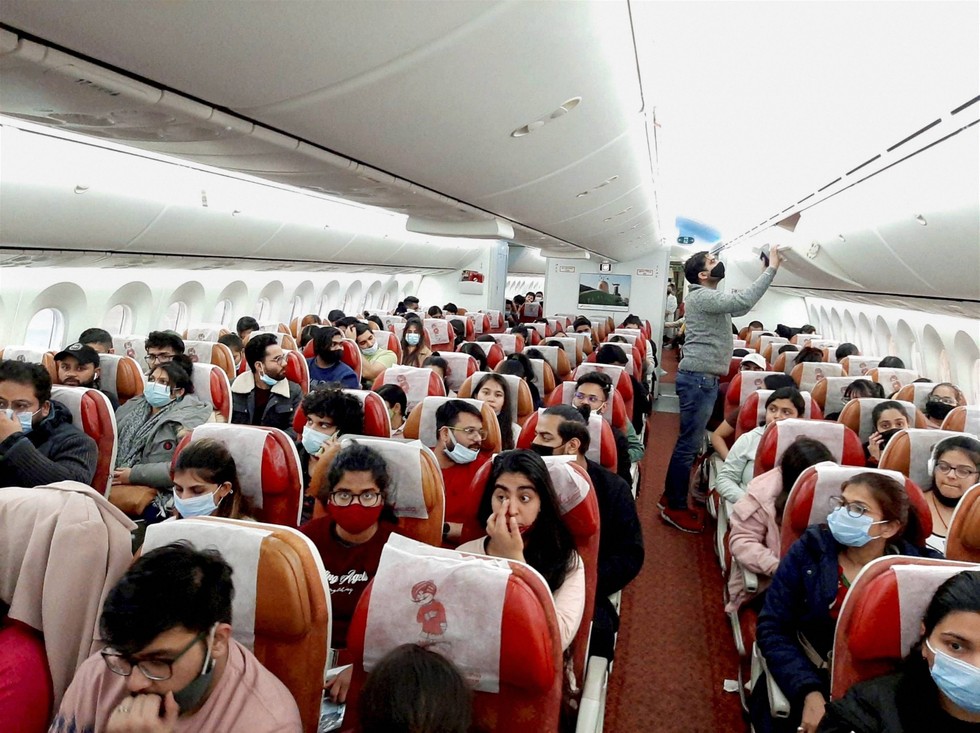
The surge in EB-1A filings is occurring alongside growing backlogs in other employment-based visas, most notably the H-1B program, which is capped annually by federal law. These delays disproportionately affect applicants from countries with high demand, especially India and China, where wait times for permanent residency can stretch for years or even decades.
In response to the growing volume of applications and concerns about system integrity, USCIS has expanded its screening and vetting efforts. The agency has also established a new vetting center focused specifically on immigration applications. According to USCIS spokesperson Matthew Tragesser, these steps are intended to strengthen oversight and protect U.S. workers, aligning with the administration’s broader immigration enforcement priorities.
USCIS officials have acknowledged that fraud has become an increasing concern within the EB-1A category. Representatives have confirmed that some applicants attempt to bolster their cases with purchased or fabricated credentials, including falsified awards, publications, or expert endorsements. A former USCIS official told CBS News that financial resources can sometimes be used to manufacture convincing—but fraudulent—evidence.
As scrutiny intensifies, immigration attorneys caution that legitimate applicants must be prepared to meet higher evidentiary standards. While the EB-1A remains a powerful option for truly extraordinary individuals, the growing competition and tougher reviews mean success now requires stronger documentation, clearer achievements, and unquestionable credibility.