
Highlights:
- Indians account for 70-74 per cent of all H-1B visa approvals
- Denial rates rose from 6 per cent (2016) to nearly 30 per cent (2020)
- Second term introduces visa fees up to $100,000
- Over 1 million Indians remain stuck in green card backlogs
- Policies increasingly favor high-salary, high-skill applicants
For Indian professionals, US immigration policy is not just a regulatory issue; it directly shapes career mobility, income potential, and long-term settlement. With Indians making up roughly 70-74 percent of all H-1B visa approvals, any shift in policy disproportionately affects them.
Under president Donald Trump, immigration rules across two terms have combined tighter scrutiny with structural changes. While both terms emphasized protecting American jobs, the scale and methods evolved, from higher denial rates to financial and administrative barriers.
First term (2017–2021): Denial rates jump to 30 per cent, yet Indians dominate approvals
Trump’s first term was marked by the “Buy American, Hire American” policy, which significantly increased scrutiny of H-1B applications. The impact was immediate: denial rates surged from about 6 percent in 2016 to 24 per cent in 2018, peaking at nearly 30 per cent by 2020.
Yet, despite these rising rejection rates, Indian professionals continued to dominate approvals. On average, Indians secured around 73.9 percent of all H-1B visas annually during this period, the highest share across recent administrations. This paradox reflects strong demand from the US tech sector, where Indian talent remained indispensable.
At the same time, structural issues worsened. More than one million Indians became stuck in green card backlogs, facing waiting periods that stretched into decades. The COVID-19 pandemic added further disruption, with visa suspensions in 2020 delaying thousands of applications.
Even amid these challenges, naturalization rates among Indians remained steady at around 7.34 per cent, indicating continued long-term settlement despite policy headwinds.
Second term (2025-present): $100K visa fees and tighter filters
Trump’s second term has introduced a sharper, more restrictive phase of immigration policy. The most striking change is the dramatic increase in H-1B visa costs, with fees reportedly reaching up to $100,000 per petition, a massive jump from the earlier $2,000-$5,000 range.
This shift effectively filters applicants by salary, favoring top earners while making it significantly harder for entry-level professionals and recent graduates to qualify. Given that the median H-1B salary is around $94,000, the new fee structure places additional pressure on both employers and applicants.
Other policy changes have compounded the impact. The end of 540-day Employment Authorization Document (EAD) extensions has affected thousands of Indian families, particularly spouses. At the same time, increased scrutiny, visa delays, and limited appointment availability have created bottlenecks, with some applicants facing waiting periods extending into 2027.
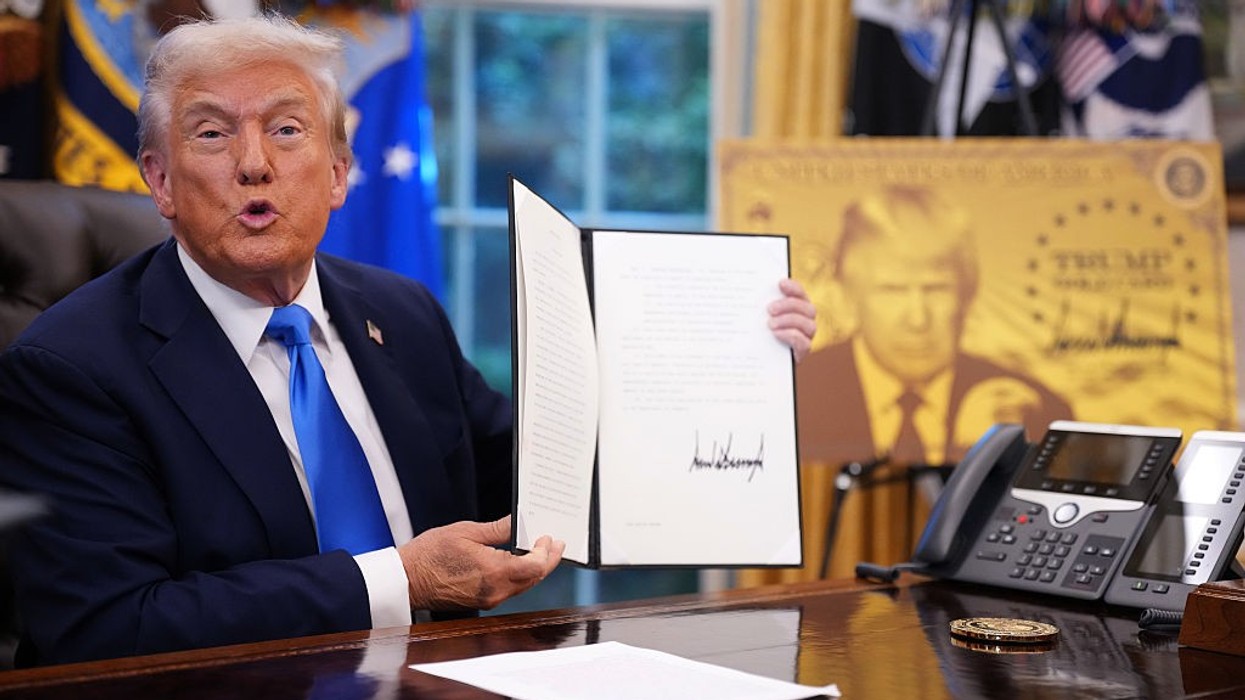
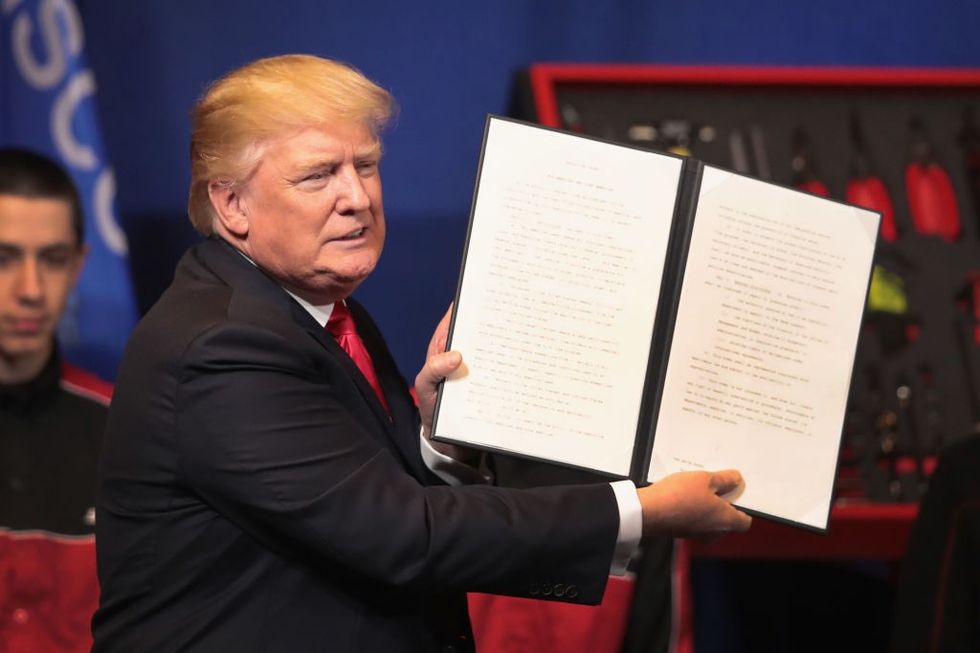 President Donald Trump signs an executive order to try to bring jobs back to American workers and revamp the H-1B visa guest worker program during a visit to the headquarters of tool manufacturer Snap-On on April 18, 2017 in Kenosha, Wisconsin. Getty Images
First vs second term: What changed?
The contrast between the two terms lies in approach and intensity. The first term relied heavily on scrutiny, driving denial rates up to 30 per cent but still allowing high volumes of approvals due to economic demand.
The second term, however, introduces systemic barriers. Instead of just rejecting applications, it raises costs and tightens eligibility, reducing the overall pool of applicants. The focus has shifted from controlling misuse to actively reshaping who qualifies, prioritizing high-income, specialized talent.
Meanwhile, green card backlogs, already exceeding one million for Indians, remain unresolved, with additional policy measures threatening to slow processing even further.
The upside: Higher wages, elite talent advantage
For a segment of Indian professionals, these changes may bring benefits. By discouraging low-wage outsourcing, the policies could push salaries higher and create better opportunities for top-tier talent.
Highly skilled professionals in fields like technology, engineering, and healthcare continue to find demand in the US market. Strong bilateral ties between India and the US also help sustain this demand, particularly in strategic sectors.
The downside: Delays, costs, and uncertainty
However, the broader impact remains challenging. Rising denial rates, steep visa fees, and prolonged delays have disrupted career trajectories for thousands of Indians. Families are also affected, particularly due to restrictions on spousal work permits.
Green card backlogs continue to trap many in long-term uncertainty, while stricter enforcement measures raise concerns about deportations and compliance risks.
The bottom line
For Indians, Trump-era immigration policies present a mixed reality shaped by numbers: a 70-74 per cent dominance in H-1B approvals, denial rates that once touched 30 per cent, and visa costs now reaching $100,000.
The result is a system that increasingly rewards elite talent while making entry and stability more difficult for others. As these policies continue to evolve, Indian professionals must navigate a landscape defined as much by opportunity as by restriction.