
Highlights:
- Trump says US mission in Iran is close to completion
- Warns of stronger military strikes in next two to three weeks
- Claims major damage to Iran’s military capabilities
- Suggests ceasefire possible if Strait of Hormuz reopens
- Critics say speech lacked clarity on goals and timeline
President Donald Trump told Americans in a televised address that US military operations in Iran are 'nearing completion,' but he also warned that more attacks are coming. Speaking for about 19 minutes, Trump said the United States would hit Iran “extremely hard” over the next two to three weeks, creating confusion about whether the conflict is ending or escalating.
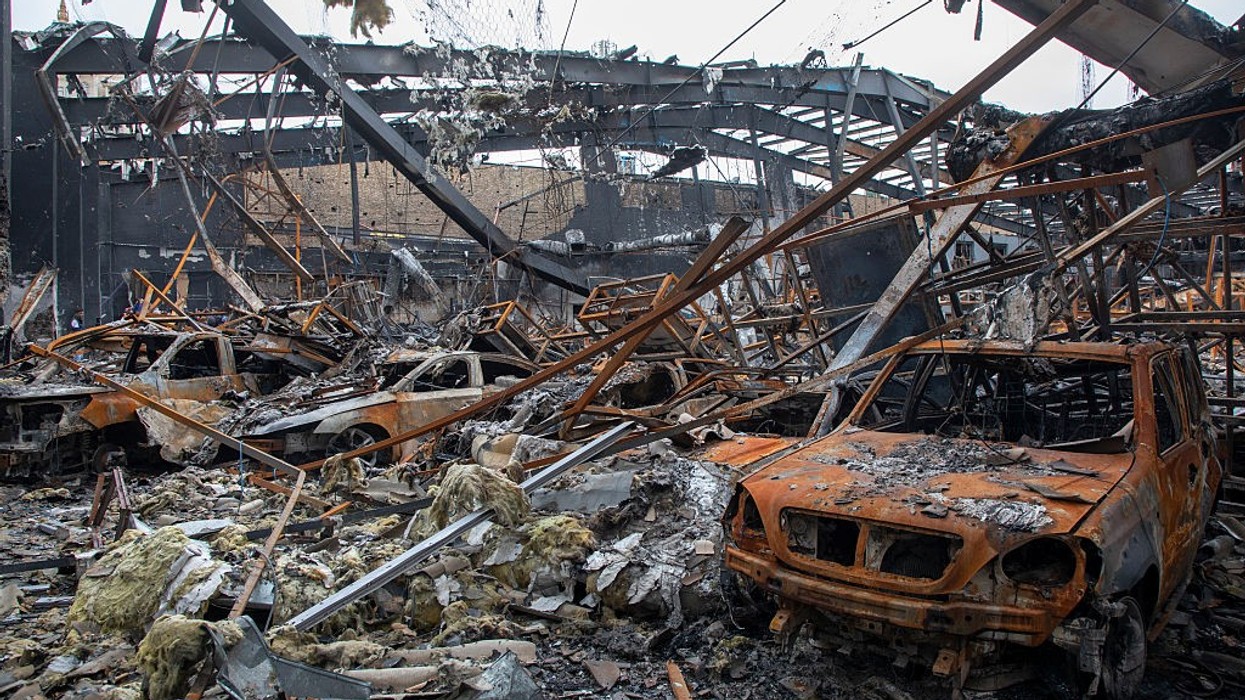
Trump described the mission as a success so far. He said the US has already achieved its main goals, including damaging Iran’s navy, weakening its air force and missile systems, and destroying parts of its defense industry. According to him, Iran is now 'essentially decimated' and no longer a major threat.
Even so, the president made clear that military pressure will continue. He warned that if Iran does not agree to a deal, the US could target key infrastructure, including electric power plants. He also suggested that Iran’s oil facilities could be attacked, though he said they have not been targeted yet to allow the country a chance to rebuild.
Trump also addressed the Strait of Hormuz, a critical route for global oil shipments. He said the waterway would reopen 'naturally' once the conflict ends, arguing that Iran would need to resume oil exports to recover economically.
On diplomacy, Trump claimed that Iran’s president had asked for a ceasefire. However, Iranian officials denied this, calling the statement false. Trump said any ceasefire would depend on reopening the Strait of Hormuz.
The president also spoke about leadership changes in Iran. He said regime change was not a U.S. goal but claimed it had effectively happened after the deaths of several top leaders. Despite his statement that the new leadership is “less radical,” experts and analysts say the new supreme leader is actually more hardline.
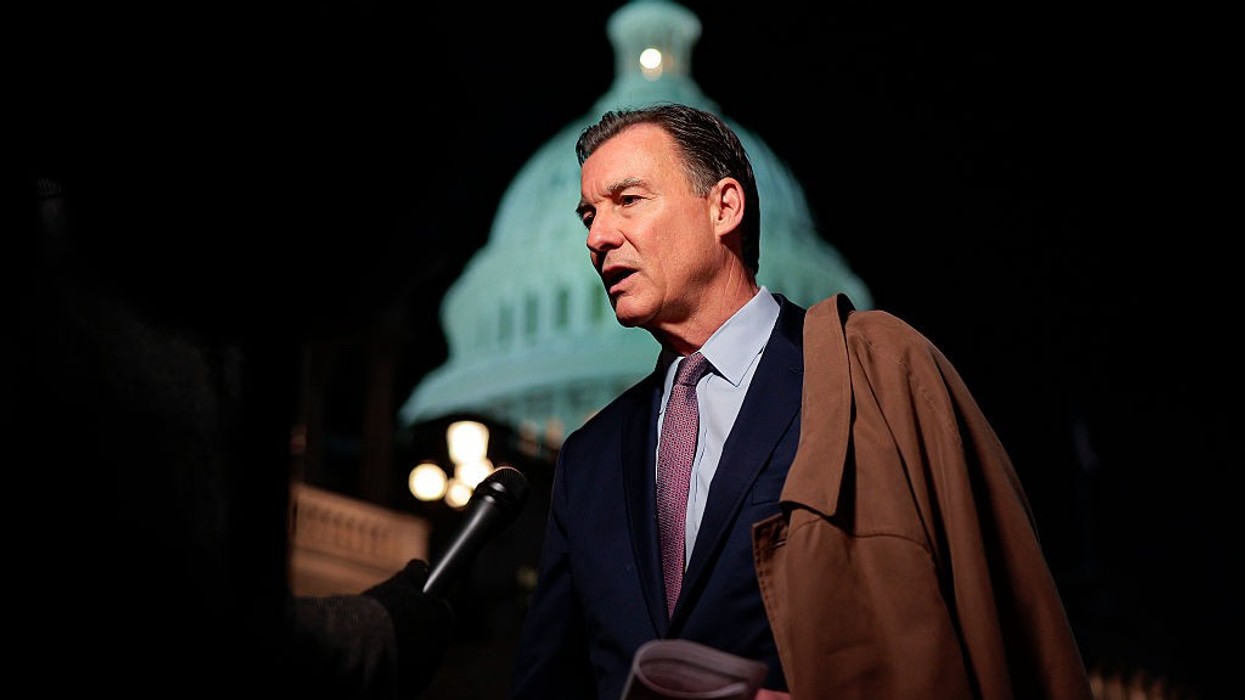
At home, reaction to the speech was sharply divided. Democratic leaders criticized Trump’s remarks, calling them unclear and inconsistent. Some said it was difficult to understand whether the US is escalating or reducing its involvement in the conflict. Others argued that Trump failed to explain clear goals or provide a timeline for ending the war.
Public concern is also growing. Recent polls show many Americans want the conflict to end quickly, even if all objectives are not met. Rising gas prices and economic worries are adding to the pressure. Gas prices in the US rose sharply following recent developments, and oil markets remain unstable.
Trump urged Americans to 'keep this conflict in perspective,' comparing it to longer wars in US history. However, he avoided calling the situation a 'war,' instead describing it as a 'military operation.'
Despite his claims of progress, key questions remain unanswered. The administration has not clearly defined what success looks like or how long US forces will stay involved. As military action continues and political debate intensifies, the future of the conflict remains uncertain.