
Highlights:
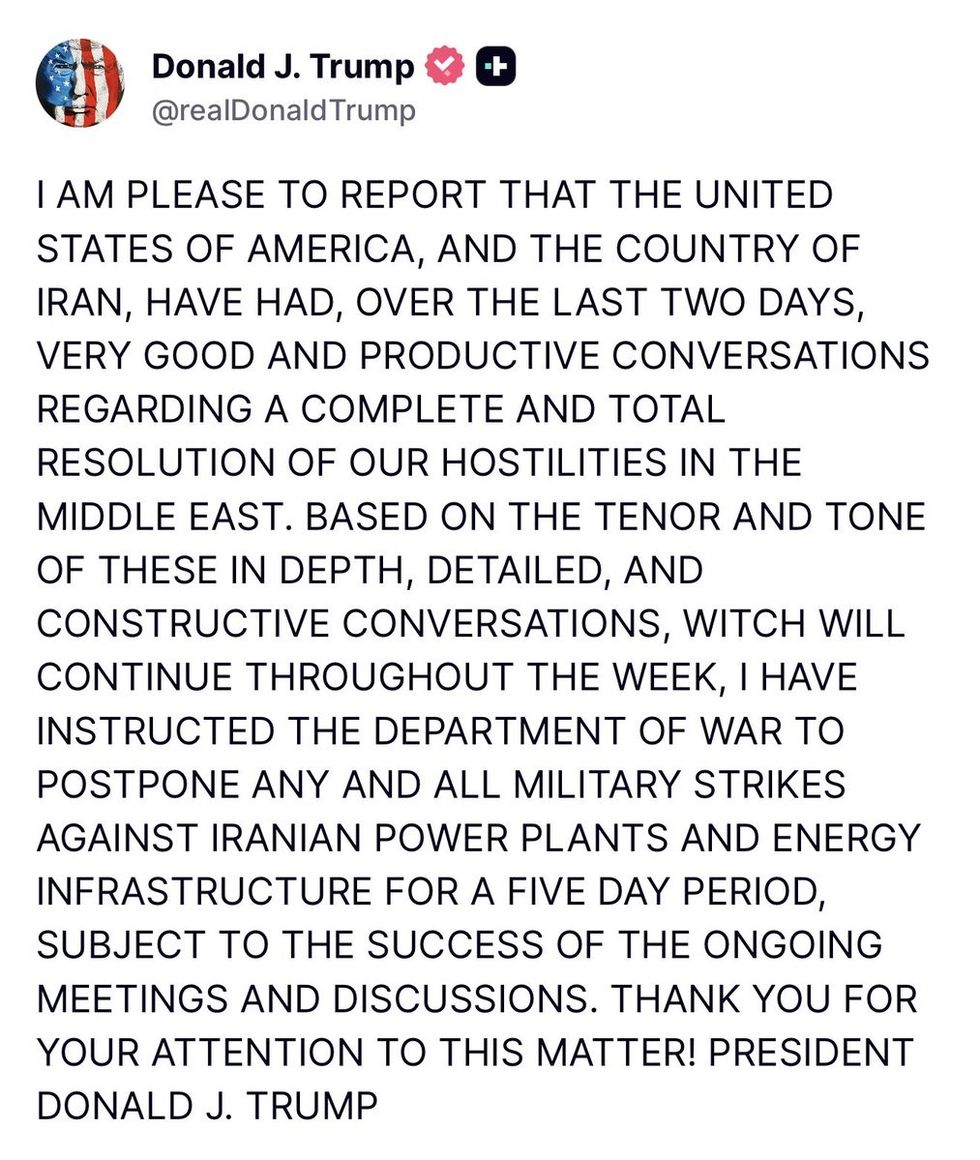
- Trump’s post included noticeable spelling errors that quickly went viral
- Announcement hinted at a temporary pause in military strikes on Iran
- Iran’s foreign minister declared talks with the U.S. “over forever”
- Conflicting signals added confusion to an already tense situation
- Threats of escalation continue across the Persian Gulf region
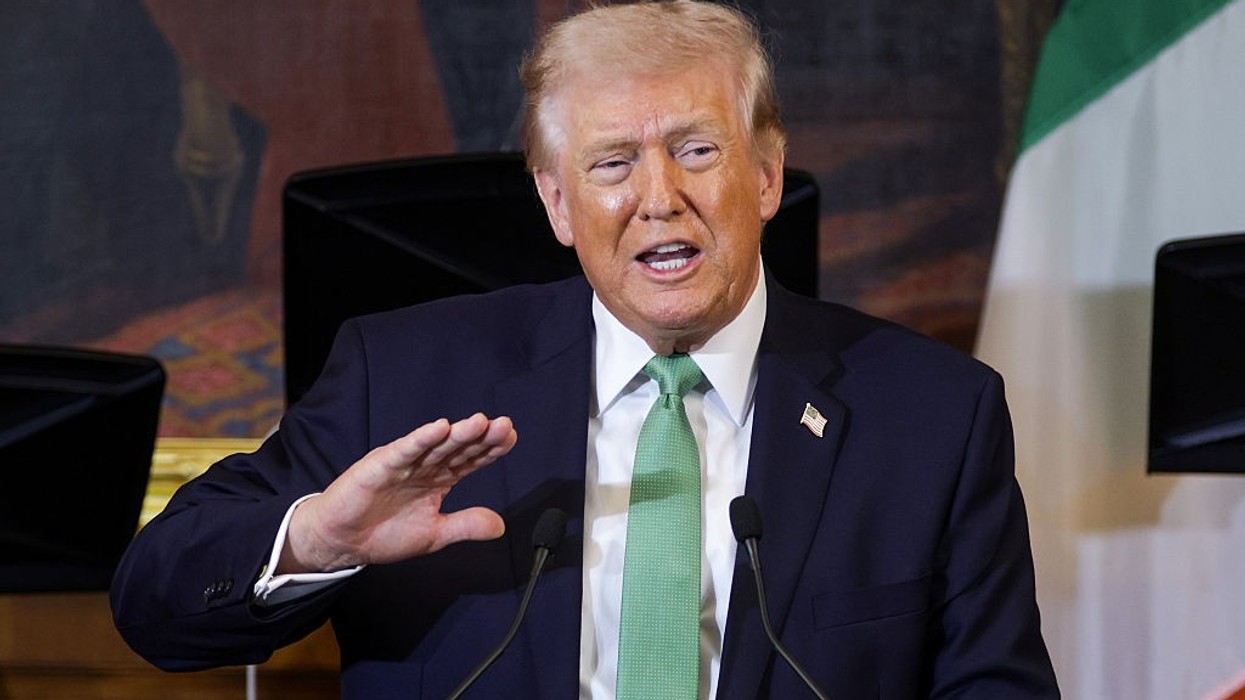
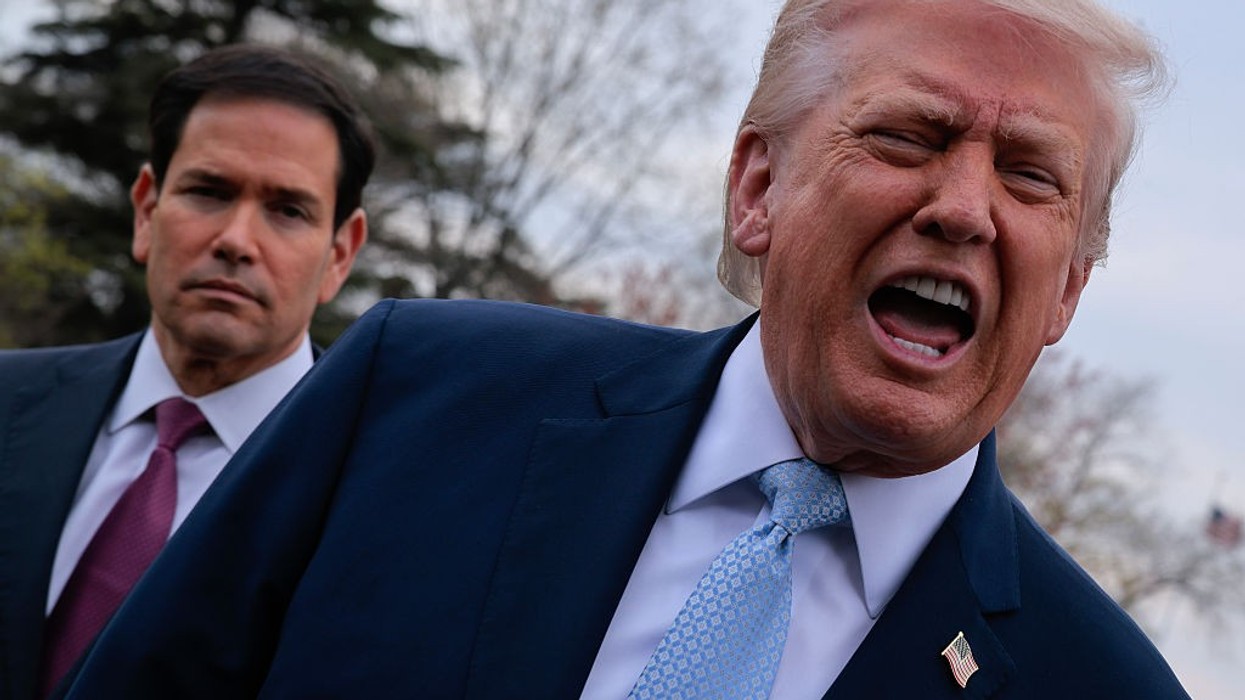
In a moment meant to signal possible de-escalation between the United States and Iran, former President Donald Trump instead sparked widespread online discussion for an entirely different reason: spelling mistakes in his official post.
Sharing an update on Truth Social, Trump claimed that Washington and Tehran had engaged in “very good and productive conversations” over recent days, suggesting that both sides were moving toward a “complete and total resolution” of ongoing hostilities in the Middle East. However, readers quickly noticed two glaring errors in the message, including the use of “WITCH” instead of “WHICH” and “PLEASE” in place of “PLEASED.”
While such mistakes might seem minor, they rapidly became the focal point of online reactions, drawing attention away from the substance of the announcement and turning the post into a viral talking point.
Beyond the typo controversy, Trump’s message carried significant geopolitical implications. He stated that he had instructed the military to delay planned strikes on Iranian power plants and energy infrastructure for five days. The pause, he noted, would depend on the “tenor and tone” of ongoing discussions, marking the first apparent signal of restraint since tensions escalated in late February.
Despite this gesture, the broader situation remains highly uncertain.
Just hours before Trump’s post, Iran’s foreign minister publicly declared that negotiations with the United States were effectively finished. He described prior diplomatic efforts as a “bitter experience” and accused Washington of betrayal, alleging that military actions were launched despite assurances of non-aggression during earlier talks.
According to his statement, trust between the two nations has been completely eroded, leaving little room for further dialogue. He emphasized that recent developments had effectively closed the door on diplomacy.
 Instagram/@republic
Meanwhile, conditions on the ground continue to be volatile. Iranian officials have warned that any additional attacks could trigger a strong response. Potential retaliatory measures reportedly include targeting regional energy infrastructure and deploying naval mines in strategic waterways such as the Persian Gulf.
Adding to concerns, Iranian authorities have released maps indicating possible targets across several countries in the region, signaling the potential for a broader conflict if tensions escalate further.
The contrast between Trump’s call for a temporary pause and Iran’s declaration that talks are over highlights the fragile and unpredictable nature of the situation. While diplomatic language suggests a possible opening, actions and counterstatements from both sides point to deep mistrust and ongoing risk.
In the end, what might have been a carefully watched diplomatic development became, at least momentarily, overshadowed by a simple typo—demonstrating how even small details can shape public perception in moments of global significance.