
Highlights:
- Trump held a phone call with Putin shortly before meeting Zelensky in Florida
- Russia launched major drone and missile attacks on Kyiv ahead of the talks
- A revised US peace plan could freeze the war along current front lines
- Ukraine may face pressure to accept limited territorial concessions
- Zelensky is seeking firm security guarantees to prevent future aggression
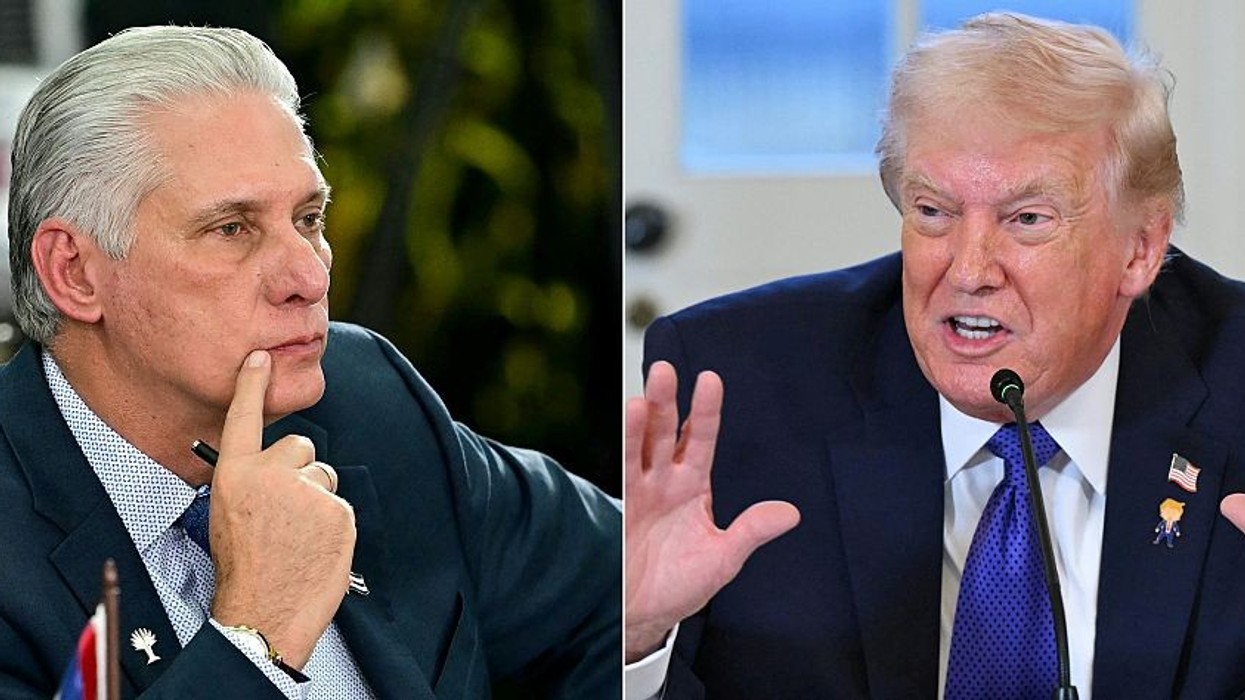
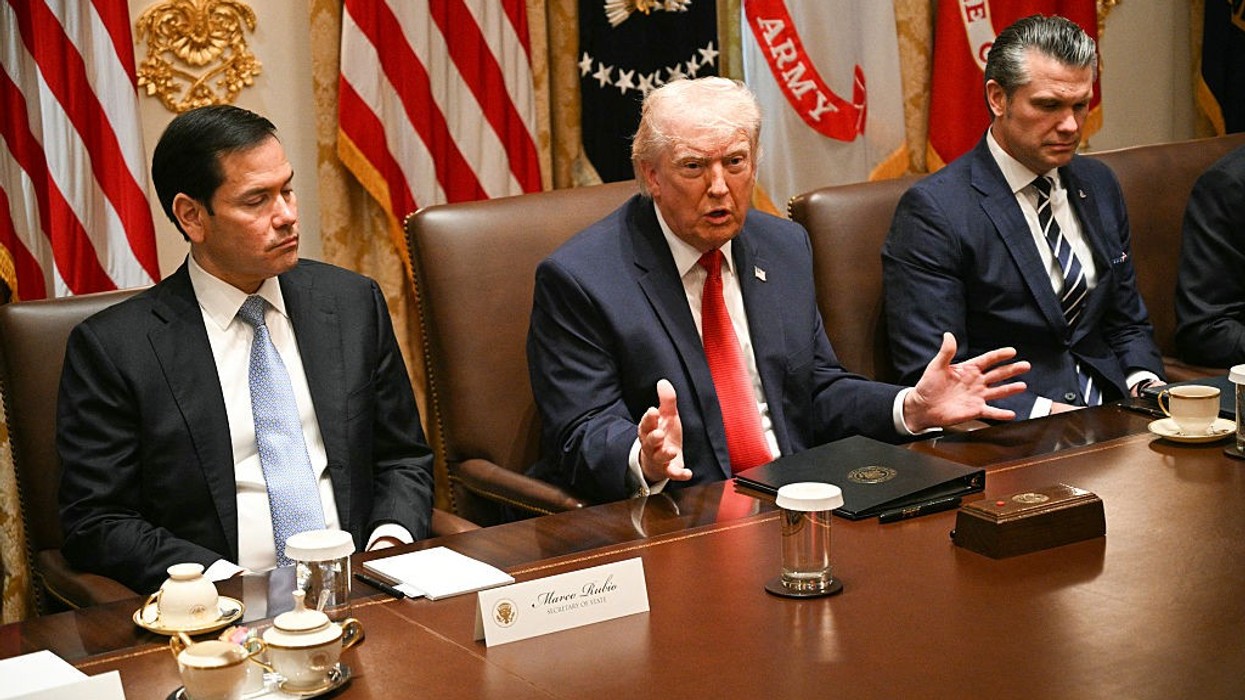
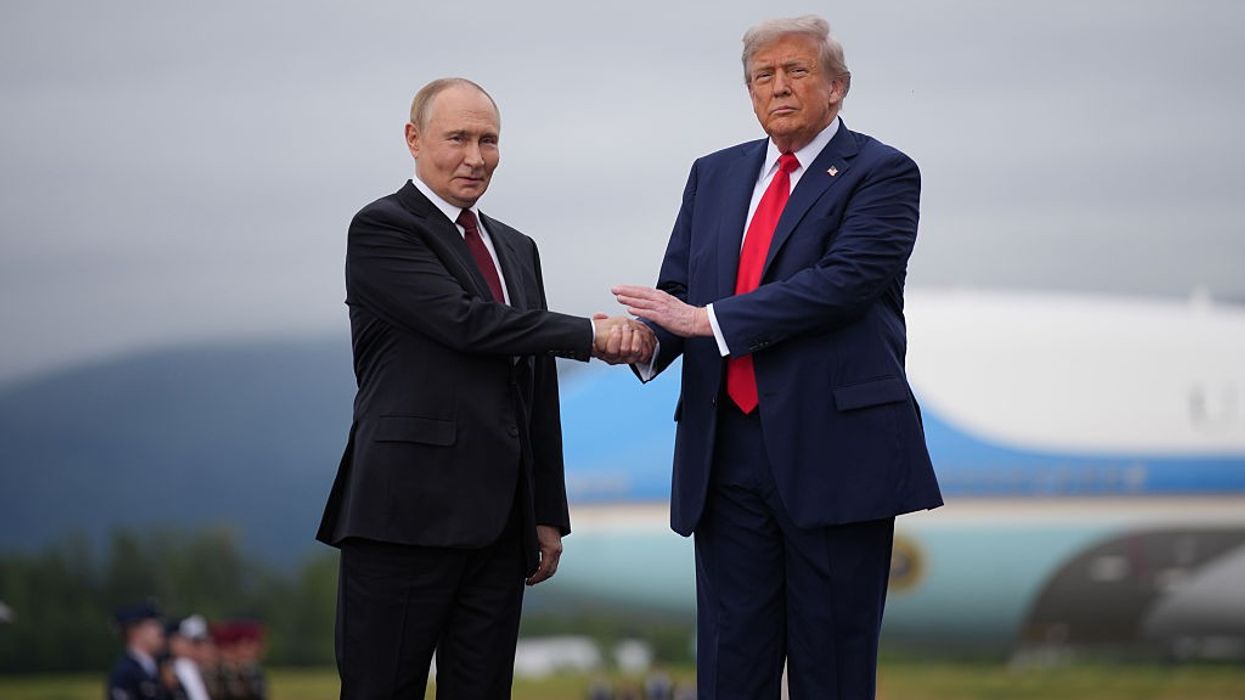
President Donald Trump said he held a 'very good and productive' phone call with Russian president Vladimir Putin on Sunday (28), just hours before meeting Ukrainian president Volodymyr Zelensky at his Mar-a-Lago residence in Florida. The diplomatic flurry comes as Trump intensifies efforts to broker an end to the nearly four-year-old war in Ukraine.
Trump announced the call on his Truth Social platform, framing it as a positive step in what he has described as a year-end push to secure a peace deal. The outreach to Putin took place shortly before Trump welcomed Zelensky for a 1:00 p.m. meeting in the dining room of his Florida estate, a venue he often uses for talks with foreign leaders and political allies.
The renewed optimism from Trump stands in sharp contrast to events on the ground. Just as Zelensky was traveling to Florida, Russia carried out another large-scale drone and missile assault on Kyiv, temporarily cutting power and heating to hundreds of thousands of residents during freezing winter conditions. The strikes reinforced doubts in Europe and Ukraine about Moscow’s willingness to negotiate in good faith.
Trump has made ending the Ukraine war a central promise of his second term, portraying himself as a “president of peace.” He has repeatedly argued that both Moscow and Kyiv share responsibility for the failure to reach a ceasefire, a stance that has frustrated Ukrainian officials. His approach has also raised concerns among European allies, who fear the US may push Ukraine into an unfavorable settlement.
Sunday’s (28) meeting marked Trump’s first in-person encounter with Zelensky since October, when he declined Kyiv’s request for long-range Tomahawk missiles. Trump has since insisted that no major decisions on Ukraine’s future can move forward without his approval, signaling a hard line in negotiations.
A revised US-backed peace proposal, developed after weeks of talks between American and Ukrainian officials, would effectively freeze the conflict along current front lines. The plan could require Ukraine to pull back troops from parts of the east and accept demilitarized buffer zones, representing Kyiv’s clearest acknowledgment yet that some territorial concessions may be unavoidable. However, the proposal does not call for Ukraine to withdraw from the roughly 20 percent of the Donetsk region it still controls, an area Russia has demanded.
Zelensky said he hoped the Florida talks would be “very constructive,” but warned that Russia’s latest attacks demonstrated Putin’s true intentions. He emphasized the need for strong security guarantees to prevent renewed aggression if a ceasefire is reached, as well as continued US and European funding and weapons support, particularly drones.
Meanwhile, Russia has accused Ukraine and its European allies of undermining earlier US-led peace efforts. Buoyed by recent battlefield gains, including the capture of two towns in eastern Ukraine, Moscow appears confident. Putin warned that if Kyiv refuses a negotiated settlement, Russia will pursue its objectives by military means, while Foreign Minister Sergei Lavrov criticized European governments as the main obstacle to peace.