
Highlights:
- Trump says he is already speaking with Iran and plans further talks
- U.S. naval strike group deployed as pressure mounts on Tehran
- Iran threatens immediate and wide-ranging retaliation if attacked
- EU designates Iran’s Revolutionary Guard a terrorist organization
- Rights groups report thousands killed in Iran’s recent protest crackdown
President Donald Trump said on Thursday (29) that he hopes military action against Iran can be avoided, signaling openness to diplomacy even as tensions between Washington and Tehran intensify and US naval forces move into the region.
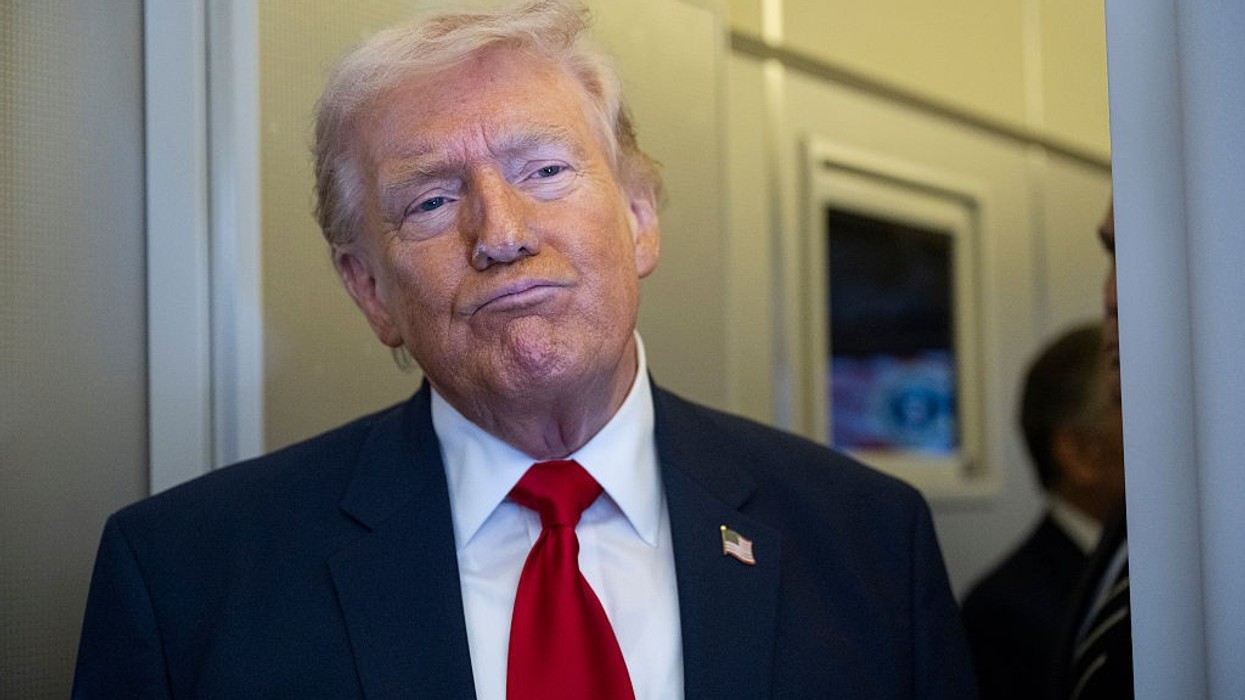
Speaking to reporters on Thursday (29) while attending the premiere of a documentary about his wife, Melania Trump, the president said he is already in communication with Iranian officials and left open the possibility of negotiations. His comments came after earlier warnings that “time is running out” for Tehran to change course, particularly regarding its nuclear program.
“I have had [talks] and I am planning on it,” Trump said when asked whether he would engage directly with Iran. Referring to the US military buildup, he added, “We have a group headed out to a place called Iran, and hopefully we won’t have to use it.”
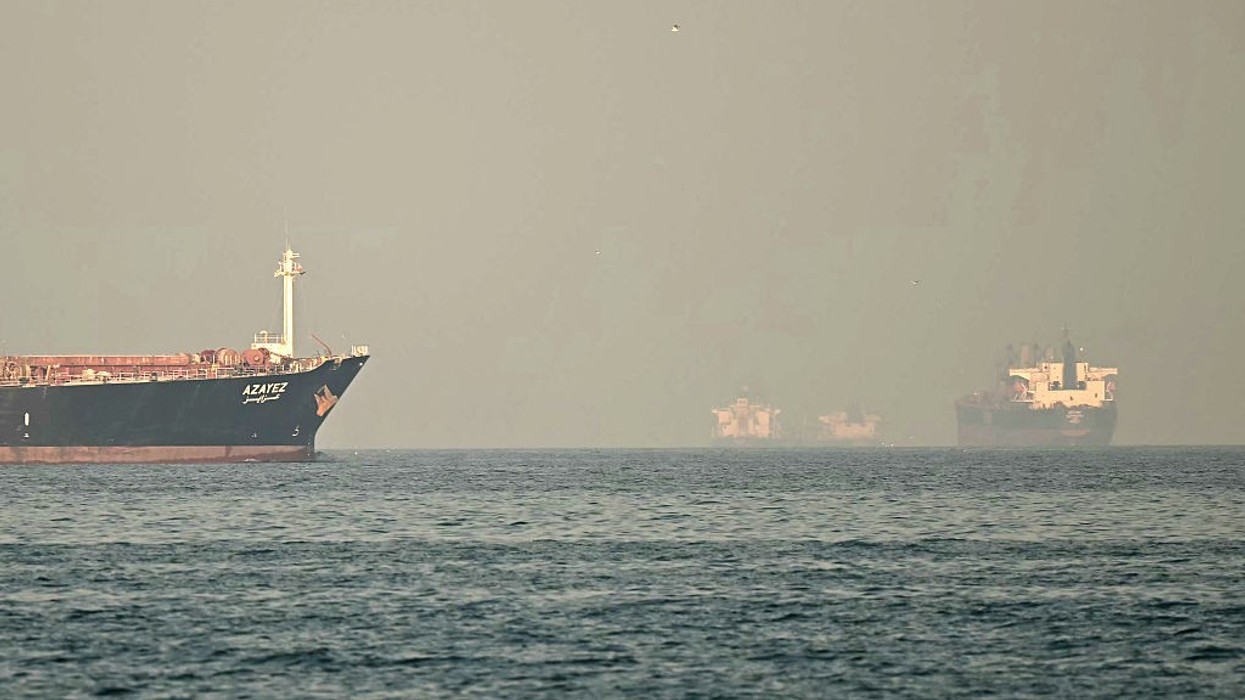
The remarks marked a slightly softer tone after days of escalating rhetoric. The United States has recently dispatched a large naval strike group to Middle East waters, a move the administration says is meant to deter Iran and reinforce US readiness should diplomacy fail.
Iran, however, has issued stark warnings in response. A senior Iranian military spokesman said any US attack would be met with immediate and decisive retaliation, far beyond the limited response seen during last year’s brief air conflict involving Israel and the United States.
Brigadier General Mohammad Akraminia told Iranian state television that US aircraft carriers have 'serious vulnerabilities' and that American military bases across the Gulf region are within range of Iran’s medium-range missiles. He warned that Washington should not assume any military operation would be quick or contained.
“If such a miscalculation is made, it will not unfold the way Trump imagines,” Akraminia said, rejecting the idea of a short strike followed by a declaration of victory.
Regional leaders have expressed growing alarm over the possibility of conflict. A Gulf official, speaking anonymously, said fears of a US strike are widespread and warned that war would plunge the region into chaos, severely damaging global energy markets and sending oil and gas prices soaring.
Amid the rising tensions, the United Nations has urged restraint. Secretary-General António Guterres called for renewed nuclear negotiations, warning that a crisis could have devastating consequences for the region and beyond.
Diplomatic activity has also intensified elsewhere. Qatar’s Emir Sheikh Tamim bin Hamad Al Thani spoke with Iranian President Masoud Pezeshkian about efforts to de-escalate the situation and restore stability, according to Qatari state media.
Meanwhile, the European Union added pressure on Tehran by formally designating Iran’s Islamic Revolutionary Guard Corps (IRGC) as a terrorist organization. EU officials cited the group’s role in violently suppressing recent mass protests across Iran.
European Commission President Ursula von der Leyen described the move as overdue, calling the Iranian government a regime that “crushes its own people’s protests in blood.” Although largely symbolic, the designation drew a sharp rebuke from Tehran, which accused the EU of acting at the behest of the United States and Israel.
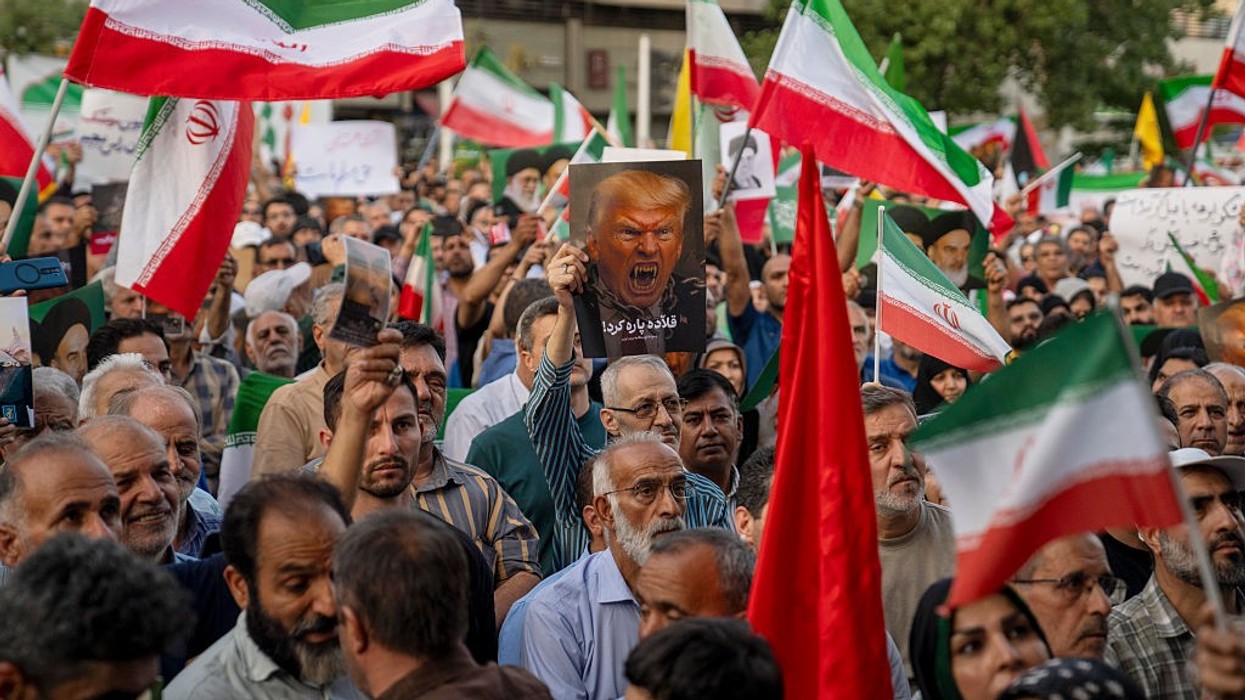
The protests, which erupted in late December over economic grievances and peaked in early January, have resulted in sharply conflicting death tolls. US-based rights groups say more than 6,000 people have been killed, with some estimates placing the number far higher. Iranian authorities acknowledge thousands of deaths but claim many were security personnel or civilians killed by what they call “rioters.”
On the streets of Tehran, many citizens expressed a mix of fear, fatigue, and grim acceptance. “I think war is inevitable,” said a 29-year-old waitress, speaking anonymously. “I am not in favor of war. I just want something to happen that leads to something better.”
As Washington balances military pressure with diplomatic outreach, the coming days may determine whether the standoff moves toward negotiations, or slides closer to open conflict.