
Highlights
- Five new countries added to the full US travel ban
- Palestinian Authority passport holders now fully restricted
- Laos and Sierra Leone moved from partial to full restrictions
- Partial limits placed on 15 additional countries
- Some exemptions and case-by-case waivers will still apply
President Donald Trump has expanded the United States travel ban, blocking nationals from five more countries from entering the country. The White House said the new restrictions are meant to protect US security and will begin on January 1. The announcement marks another major step in Trump’s broader effort to tighten immigration rules since returning to office.
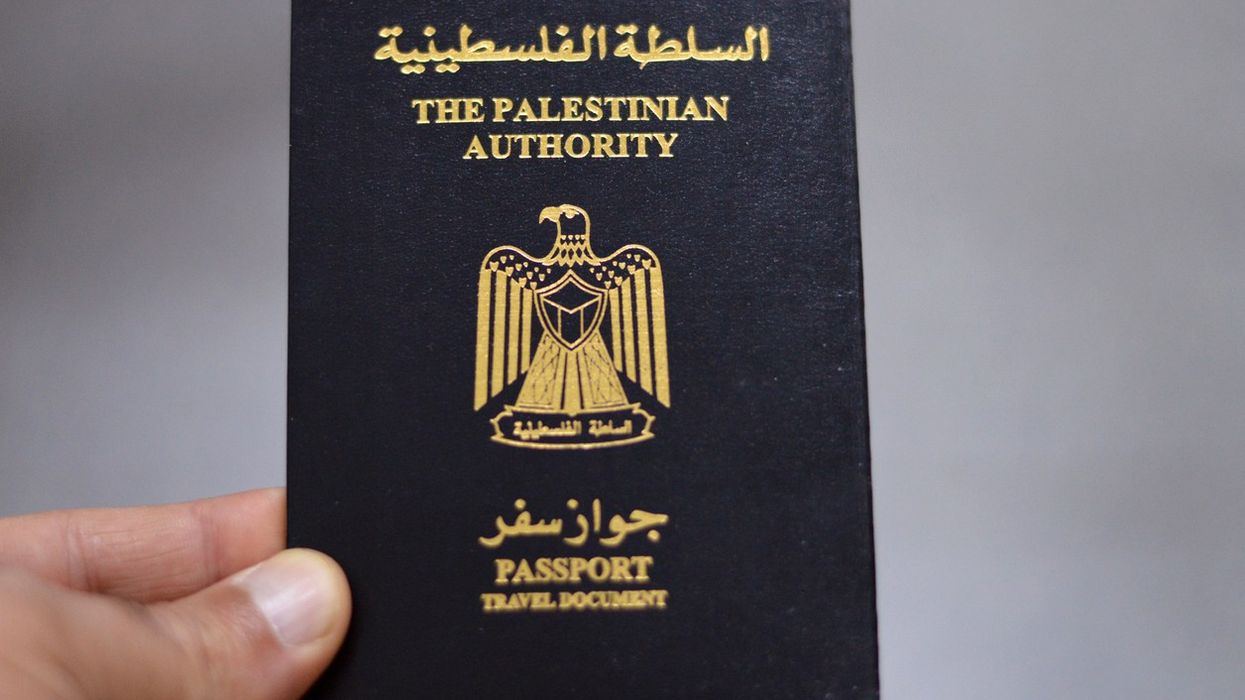
Under the new order, full travel restrictions will apply to citizens of Burkina Faso, Mali, Niger, South Sudan, and Syria. The ban also includes individuals traveling on passports issued or endorsed by the Palestinian Authority. In addition, Laos and Sierra Leone, which previously faced only partial restrictions, have now been moved to the full ban list.
The administration also announced partial travel restrictions on 15 other countries. These include Nigeria, Tanzania, Zimbabwe, and several nations in Africa, the Caribbean, and the Pacific. Partial restrictions may limit certain visa types, such as tourist or student visas, rather than blocking all entry.
President Trump said the decision was based on concerns about weak screening and vetting systems in some countries. U.S. officials pointed to high visa overstay rates, unreliable government records, corruption, and a lack of cooperation in accepting deported citizens. They also cited terrorism risks and limited information sharing with U.S. authorities.
The White House linked the timing of the announcement to the recent arrest of an Afghan national accused of shooting two National Guard troops during the Thanksgiving weekend. Officials said the incident highlighted the need for stronger border and travel controls, even though they did not claim a direct connection between the suspect and the newly added countries.
This is the third time Trump has imposed a travel ban. During his first term, he introduced a similar policy in 2017. That order caused protests and legal challenges in the U.S. and abroad but was eventually upheld by the Supreme Court. The current administration says this new version is based on updated security reviews and data.
The White House said the restrictions will stay in place until affected countries show “credible improvements” in identity management, information sharing, and cooperation with U.S. immigration enforcement. Officials stressed that the policy is not permanent and could change if conditions improve.
Several exemptions will apply. The ban does not affect lawful permanent residents, many current visa holders, diplomats, or athletes traveling for major international sporting events. The government also said waivers may be granted on a case-by-case basis when travel is considered to be in the national interest.
The expanded travel ban is expected to draw criticism from immigration advocates and foreign governments, while supporters say it is a necessary step to protect national security and strengthen border controls.