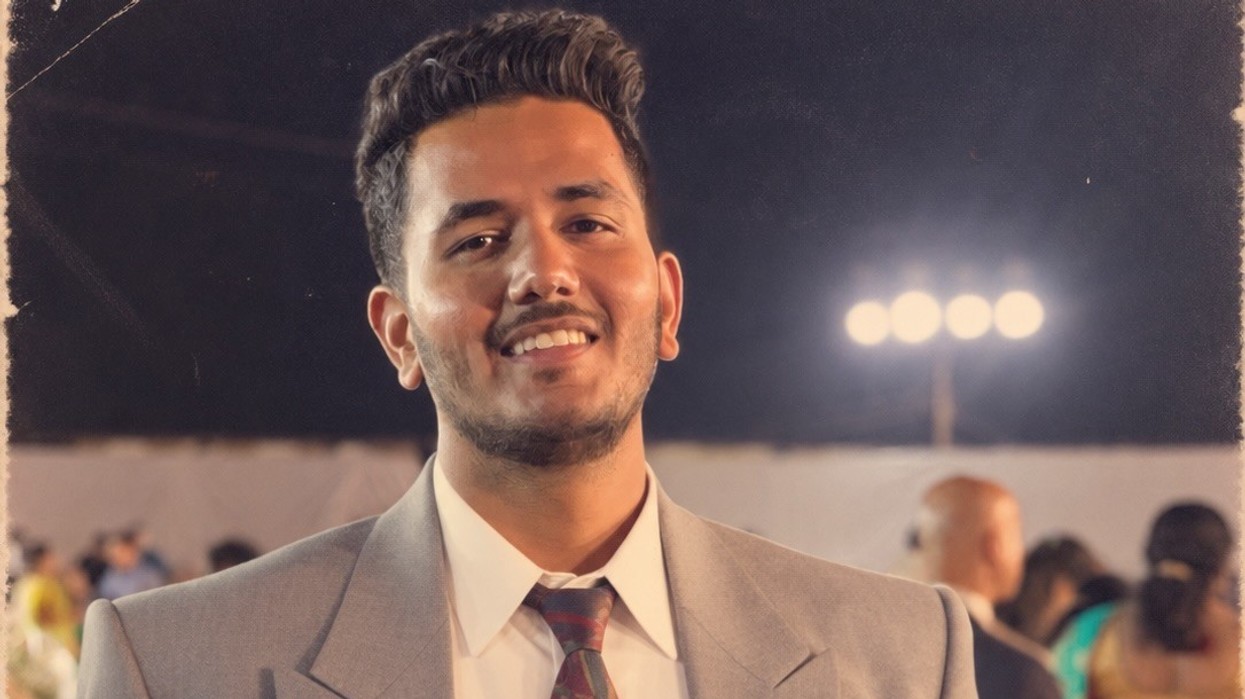

A troubling wave of xenophobic rhetoric has surged across American social media platforms, targeting South Asian and especially Indian communities. Indian Americans like Priya Sharma, a recent UC Berkeley graduate, have faced hostile and racist comments questioning their citizenship and accusing them of "stealing American jobs" after sharing positive life updates online. This digital harassment reflects a broader, deeply concerning trend rooted in immigration politics and amplified by online extremism.
Surge in online hate and racial slurs
Data from the AAPI Equity Alliance’s Stop AAPI Hate Report highlights that over 75% of anti-Asian slurs between December 2024 and January 2025 specifically targeted South Asians, with Indian Americans bearing the brunt. Moonshot researchers documented over 44,000 targeted slurs in extremist online spaces in just two months of 2024. These figures underscore the tangible, harmful impact on millions navigating social media for professional and social connections.
The H-1B visa program as a lightning rod
Much of the vitriol stems from debates around the H-1B visa program, which enables American companies to hire skilled foreign workers. Indians accounted for 71 per cent of H-1B visa recipients in 2024. The program has become a focal point for anti-immigrant sentiment, with many accusing Indian workers of “stealing jobs.” The appointment of Sriram Krishnan, a vocal H-1B advocate, as a White House AI policy adviser intensified backlash from political factions and social media trolls.
Stereotypes and real-world impact
Beyond policy debates, extreme stereotypes perpetuated on social media paint Indian Americans as either tech elite "job stealers" or low-wage service workers, erasing the community’s diversity. Such caricatures create real social pressure, leading many to hesitate in seeking public benefits or support for fear of reinforcing negative perceptions. This digital hostility also contributes to mental health challenges and social isolation within the community.
Political context and racism normalization
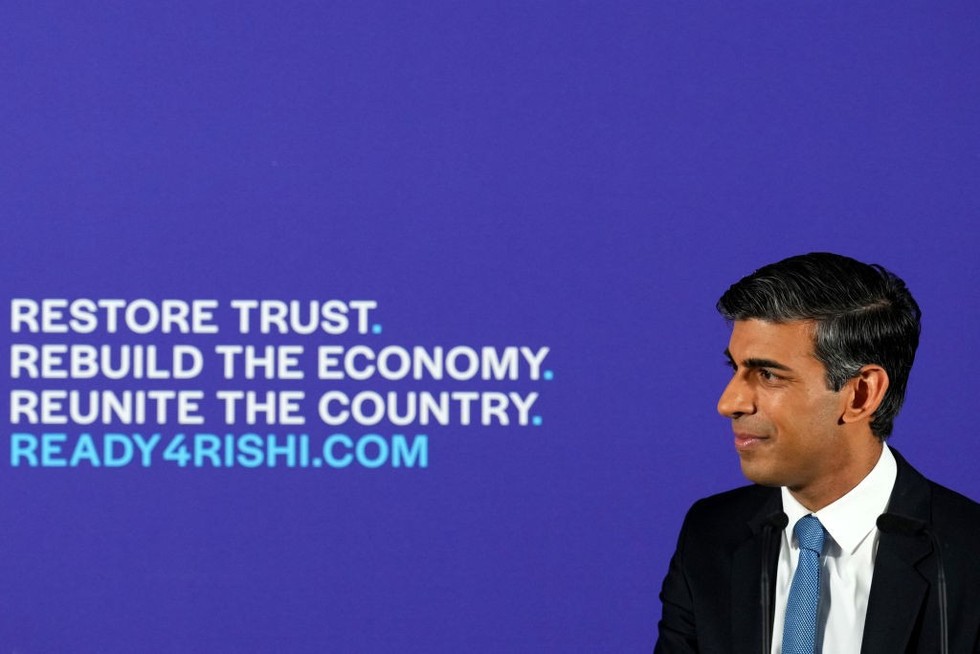
Anti-Indian sentiment’s rise coincided with the 2024 US election season, where prominent South Asian political figures like Usha Vance, daughter of Indian immigrants, faced xenophobic attacks online. This normalization of hate extended to ordinary citizens, escalating a climate of suspicion and intolerance on digital platforms. Far-right factions and white supremacist ideologies underpin much of the rhetoric, framing Indian immigrants as demographic and economic threats to “white America.”
Responding through community organizing
Community leaders emphasize that combating digital hate requires collective activism. Manjusha Kulkarni of Stop AAPI Hate warns against the false notion that economic or educational privilege protects against racism. She advocates for political engagement and organized resistance, stating that democracy demands active participation. Chintan Patel of the South Asian and Indian American Impact Foundation echoes these calls, emphasizing America’s foundational values of inclusion and warning against divisive scapegoating.
The surge of anti-Indian sentiment on American social media is a complex phenomenon intertwined with immigration controversies, political polarization, and racial biases. It significantly affects the daily lives, safety, and well-being of Indian Americans. Advocates stress the urgent need for awareness, policy measures, and community mobilization to counteract xenophobia and foster an inclusive digital environment where Indian Americans can live and contribute without fear.
This troubling trend not only highlights endemic challenges of racism but also calls the nation to a broader reflection on equity, identity, and belonging in modern America.