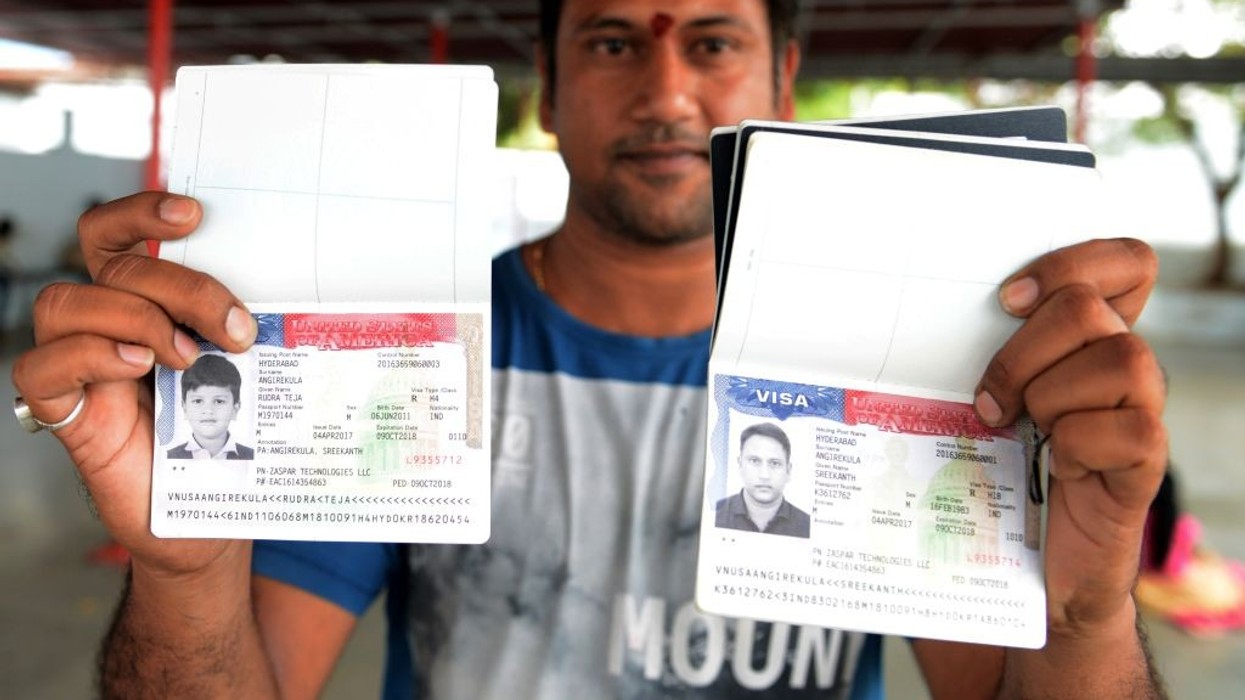

Thousands of H-1B visa holders are currently stranded in India due to prolonged delays in visa stamping appointments, a situation immigration experts say shows little sign of improvement. The backlog has left professionals unable to return to the United States, creating uncertainty for both employees and the companies that depend on them.
Immigration attorney Emily Neumann said the lack of urgency from US authorities is particularly concerning. According to her, there has been little to no pressure from lawmakers on the US Department of State to resolve the issue. In previous situations, members of Congress would typically advocate for expanded visa appointment availability to prevent disruptions to businesses and international travel. However, Neumann noted that such advocacy appears absent now.
She emphasized that unless companies actively raise concerns, there is unlikely to be any meaningful action. Neumann urged U.S.-based employers to contact their congressional representatives and senators, highlighting how the delays are affecting operations, workforce stability, and cross-border mobility. Without such pressure, she warned, there is little incentive for authorities to prioritize a solution.
Neumann also pointed out that the responsibility for addressing the crisis ultimately lies with the State Department and Secretary Marco Rubio, who have the authority to expand appointment capacity or adjust policies.
Another immigration attorney, Rahul Reddy, offered a different perspective, suggesting the delays may be part of a broader strategy linked to the policies of Donald Trump. Reddy argued that while the administration cannot impose direct legal restrictions on H-1B visa holders, it can create indirect obstacles, particularly for those traveling outside the United States. He noted that authorities have learned from past legal challenges and are now focusing on measures that impact visa holders abroad rather than those already in the country.
Currently, visa appointment availability remains extremely limited across US consulates in India, with the earliest dates stretching as far as March 2027. The situation worsened after a mass rescheduling of visa interviews in December 2025, reportedly linked to expanded social media vetting requirements for H-1B and H-4 applicants.
As a result, many Indian professionals who traveled home late last year for visa renewals have been unable to return. While some employers have allowed remote work from India, the overall situation remains uncertain, leaving thousands in limbo and raising broader concerns about workforce continuity and global mobility.