
Highlights
- The US struck Iran’s Isfahan using 2,000-pound bunker-buster bombs targeting a major ammunition depot.
- Isfahan is a critical hub for Iran’s military and nuclear infrastructure.
- The strike caused large explosions, likely from ignited stored weapons and explosives.
- Bunker-buster bombs are designed to penetrate deep underground before detonating.
- The attack signals potential escalation, with risks to global oil supply and regional stability.
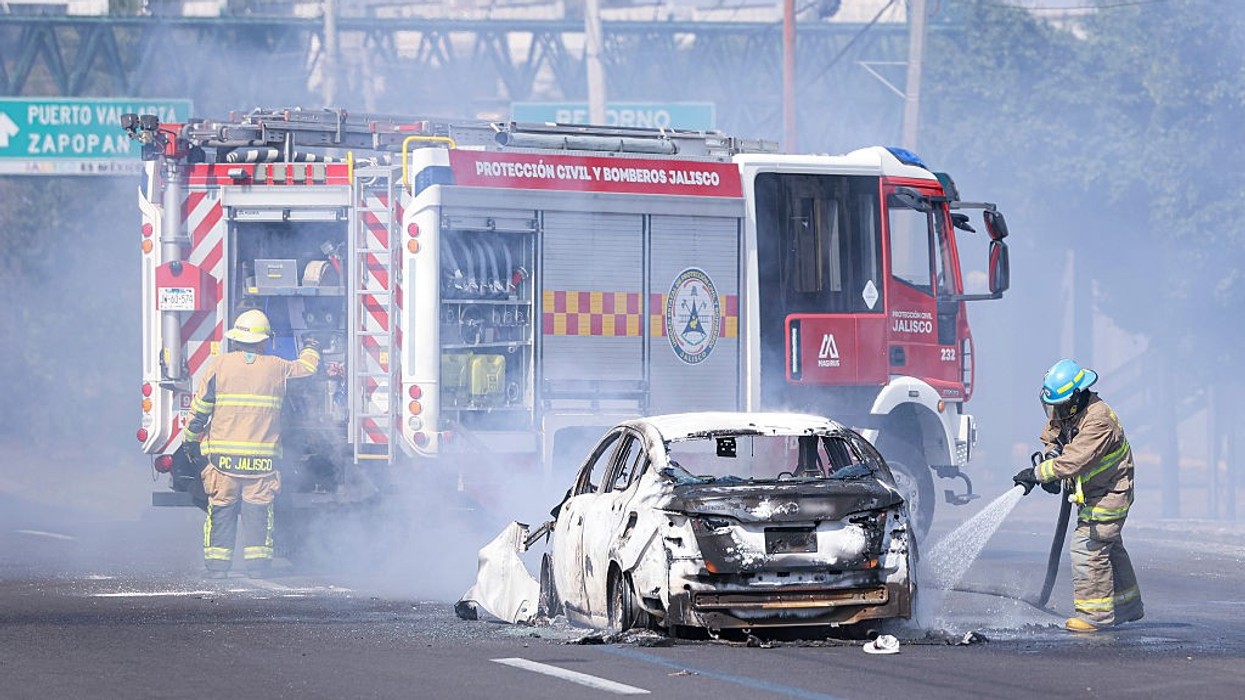
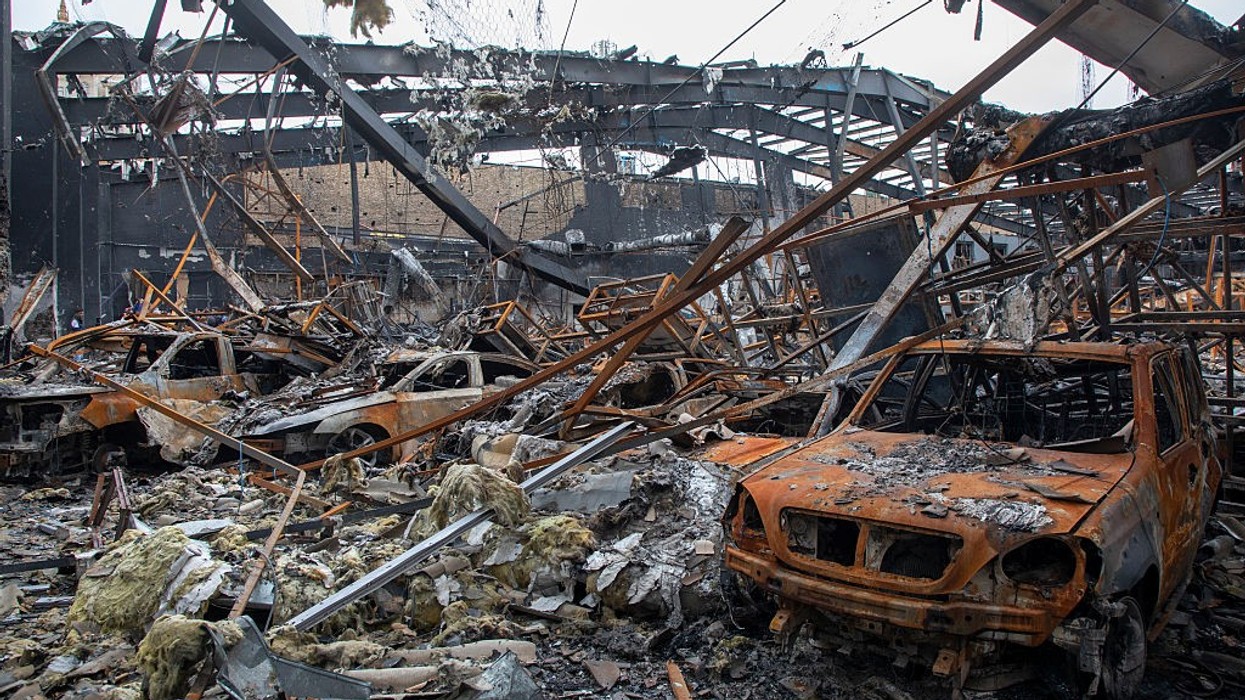
According to the reports, the attack triggered massive explosions, with fireballs followed by secondary blasts, a typical sign that stored ammunition and explosives were ignited. Satellite-based fire tracking systems indicated that the strike occurred near Mount Soffeh, an area believed to host military installations. Iranian authorities have not yet formally acknowledged the incident.
The officials of the US indicated that a substantial number of penetrator munitions were used in the operation. These specialized weapons are designed to destroy hardened and underground targets, including bunkers, missile storage facilities, and nuclear-related infrastructure. Their hardened casings allow them to penetrate deep below the surface before detonating, making them lethal.
Ishafan is considered one of Iran's most strategically important cities. It serves as a major hub for the country's defense industry and houses critical military bases. The city is also home to one of Iran's key uranium enrichment facilities, which had previously been targeted during a brief but intense conflict over Iran, Israel, and the United States in June 2025.
Analysts have long believed that Ishafan may store a significant portion of Iran's highly enriched uranium. Satellite imagery taken shortly before the 2025 conflict showed trucks transporting containers into underground tunnels at the Ishafan Nuclear Technology Center. Experts estimate that these containers may have held hundreds of kilograms of uranium enriched to 60 per cent purity, which is just below weapons-grade level.
The latest strike may have been intended to disrupt or destroy these stockpiles, although there have been no confirmed reports of radiation leaks or environmental contamination following the attack.
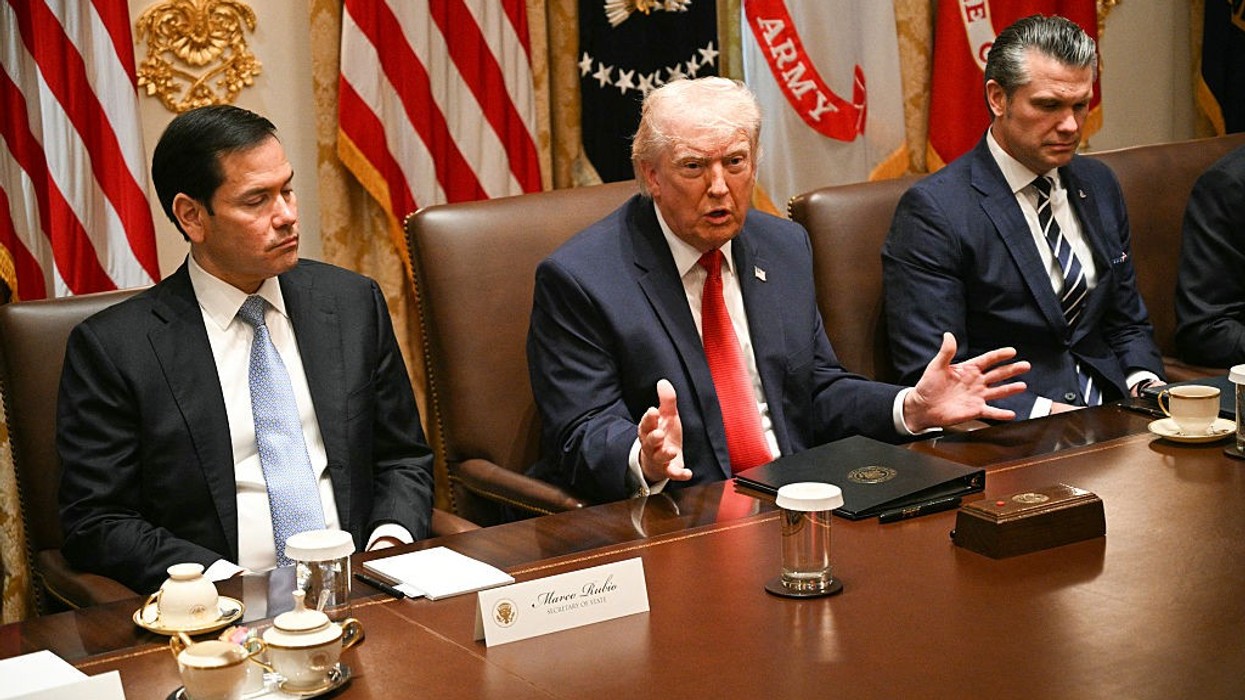
The timing of the operation is also notable. It came shortly after strong warnings from the Trump administration, which threatened broader action against Iran’s energy infrastructure, nuclear facilities, and other critical assets if diplomatic progress is not achieved. The strike appears to serve both as a tactical move and a strategic signal of readiness for further escalation.
Meanwhile, regional tensions continue to rise. Iran has taken steps to disrupt maritime traffic in the Strait of Hormuz, a critical global oil route, raising concerns about energy supply disruptions. In response to the growing crisis, several regional powers have initiated diplomatic efforts to prevent further escalation.
Market analysts warn that any expansion of the conflict, especially involving ground operations or retaliatory strikes, could drive oil prices sharply higher, potentially reaching levels not seen in over a decade. The situation remains volatile, with global attention focused on whether diplomacy can prevent a broader conflict.