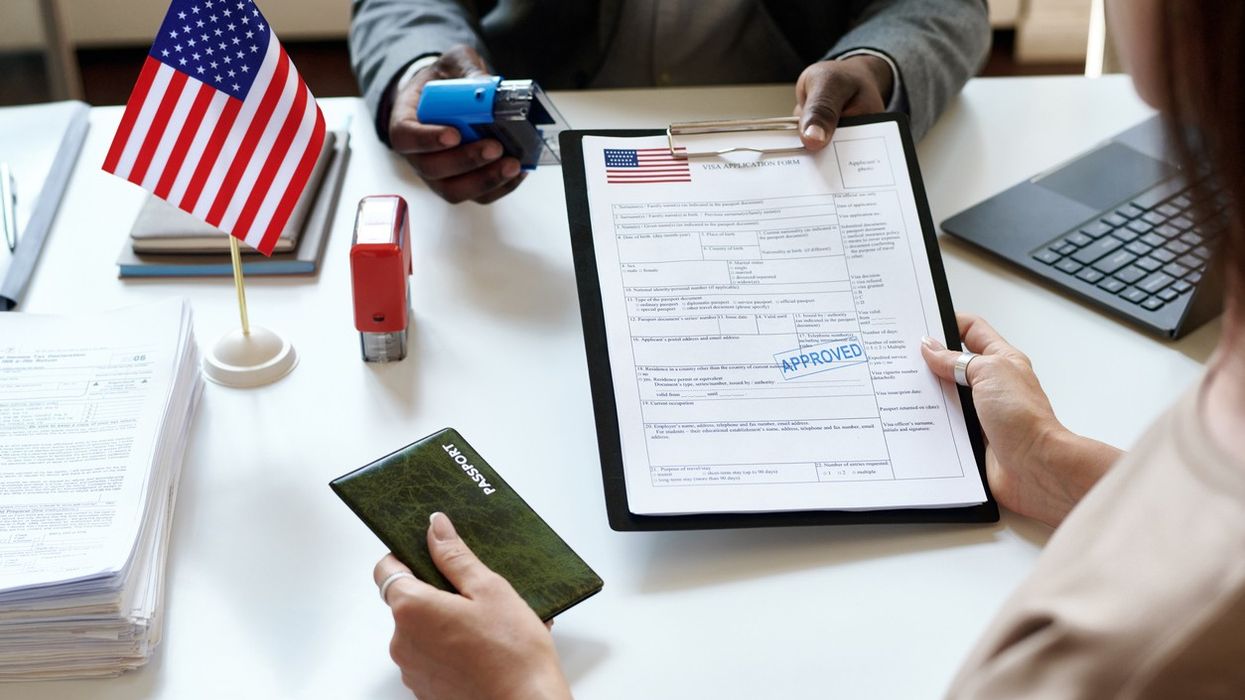

The U.S. government has intensified its visa-vetting procedures as part of its ongoing effort to bolster national security. Beginning December 15, the State Department will require all H-1B workers, their H-4 dependents, and applicants under the F, M, and J categories to undergo a comprehensive online-presence review. This move expands earlier rules that already applied to students and exchange visitors.
New social-media disclosure rules
Under the updated guidelines, applicants must list every social-media handle they have used over the past five years. This includes accounts on platforms such as Facebook, Twitter (now X), Instagram, LinkedIn, YouTube, and others. Significantly, even inactive or previously abandoned accounts must be disclosed.
To enable proper vetting, applicants are instructed to switch all their account privacy settings to “public.” This allows visa officers to examine posted content, interactions, associations, and any other digital footprint relevant to the visa adjudication process.
Why this change? The state department’s Rationale
According to the State Department, “every visa adjudication is a national security decision.” Officials emphasize that issuing a US visa is a privilege, not a right, and that applicants must convincingly demonstrate eligibility as well as compliance with visa conditions.
The US government asserts that social-media reviews help identify individuals who might pose threats to public safety, national interests, or technology security. The vetting aims to prevent harm by screening for indicators of risky behavior, affiliations, or intentions.
How visa officers use social-media information
Internal guidance suggests that officers may rely on several indicators extracted from applicants’ online activity:
- Privacy gaps or limited online presence: Officers may draw negative inferences if applicants hide parts of their profiles or claim to have no online presence at all.
- Hostile or harmful content: Posts reflecting anti-US sentiment, support for extremist or designated terrorist groups, or intent to misuse sensitive US technology may raise red flags.
- Patterns of political activity: If an applicant displays political activism that might continue in the US, it may prompt closer scrutiny.
- Questionable posts or interactions: Derogatory statements or suspicious associations can lead to follow-up interviews, background checks, or denial.
Consequences for non-disclosure
The US Embassy in India previously issued a clear warning: failure to disclose social-media details can lead to visa denial and future ineligibility. Applicants signing the DS-160 form certify that all answers, including social-media IDs, are truthful and complete. Any omission is treated as a misrepresentation.
The expanded social-media screening marks a major tightening of U.S. visa procedures. With digital footprints now central to security assessments, applicants must ensure transparency and accuracy while preparing their online profiles for official review.