
Highlights:
- US plans its largest strike package yet against Iran
- Over 7,000 targets already hit, air defenses reportedly weakened
- Iranian missile and drone attacks reduced by about 90%
- US claims major damage to Iran’s naval and missile capabilities
- No fixed timeline for war’s end, but objectives remain 'on plan'
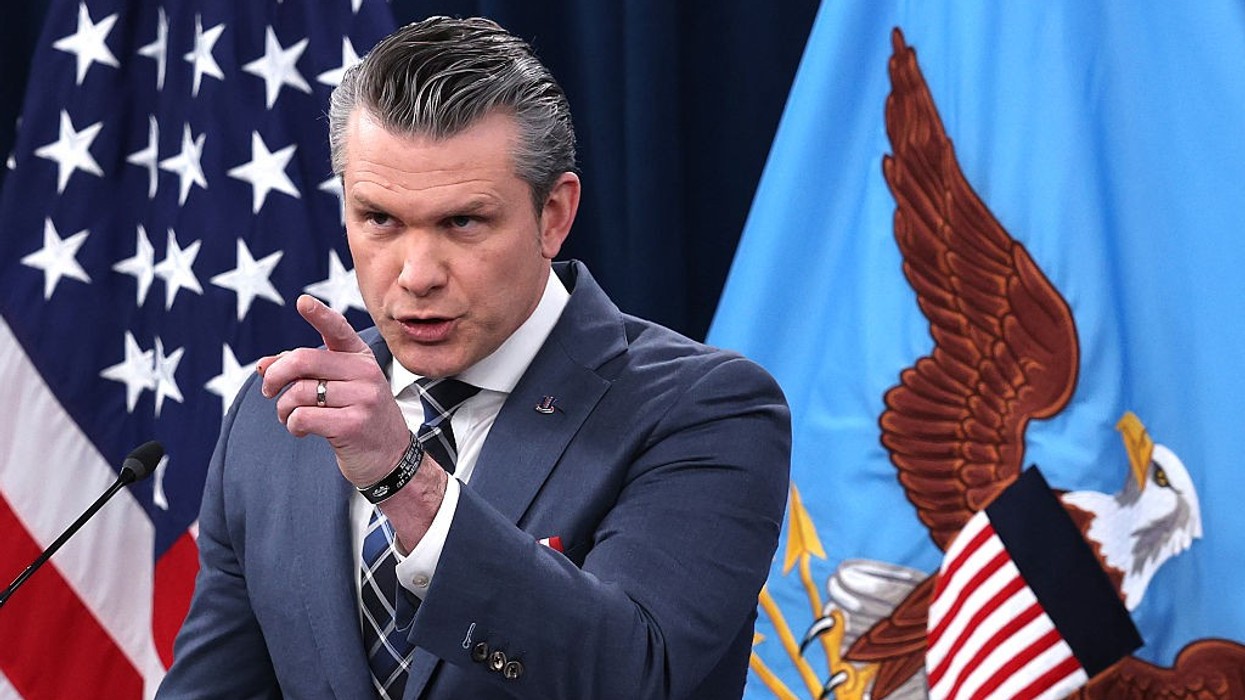
US Defense Secretary Pete Hegseth announced that Iran is expected to face what he described as the 'largest strike package' so far, signaling a major escalation in the ongoing Gulf conflict. He emphasized that the United States remains firmly committed to achieving its objectives and intends to bring the war to a conclusion on its own terms.
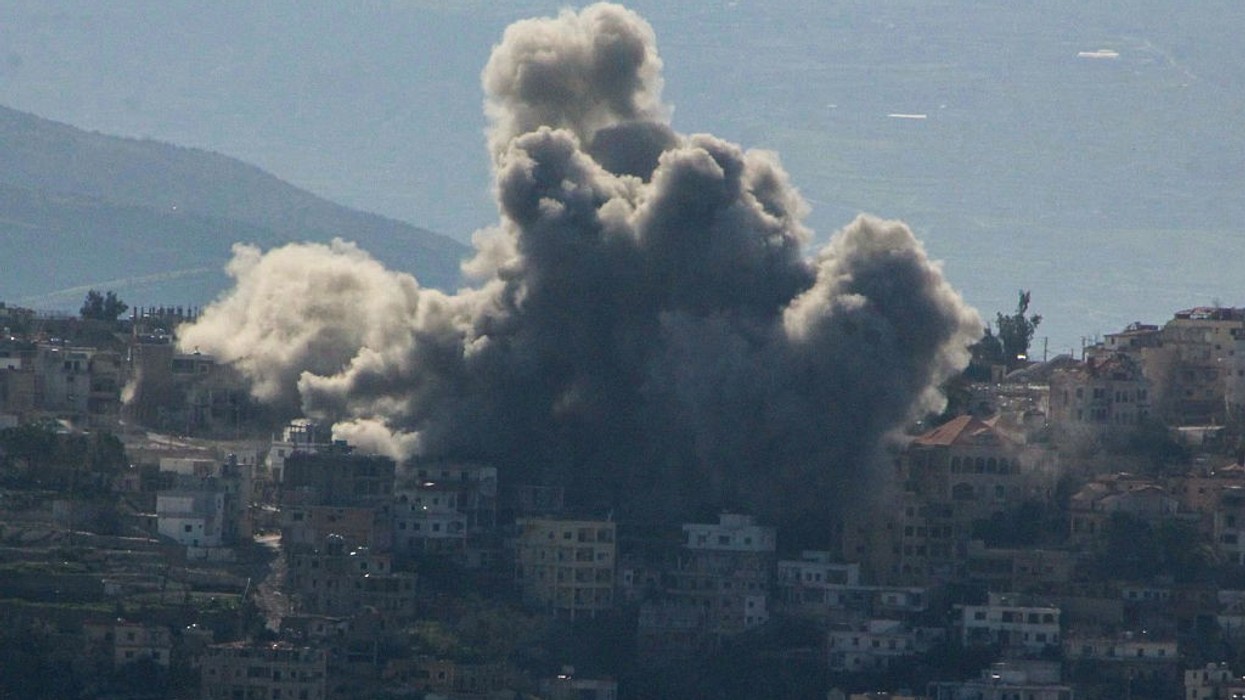
According to Hegseth, US forces have already targeted more than 7,000 sites across Iran, significantly weakening the country’s military infrastructure. He claimed that Iran’s air defense systems have been effectively neutralized, allowing US operations to expand with increasing precision and intensity. Strikes on key locations, including Kharg Island, were highlighted as strategically critical, potentially giving the US greater influence over Iran’s operational capabilities.
At the start of his remarks, Hegseth referenced a solemn moment alongside President Donald Trump, where they received the remains of US service members killed in the conflict. He said the families of the fallen urged the administration to continue its mission until completion, reinforcing the administration’s resolve. “We will finish this and honor their sacrifice,” he stated.
Addressing concerns about the war becoming prolonged, Hegseth dismissed claims that the conflict could turn into another “forever war.” He criticized sections of the media for portraying the situation as endless, insisting instead that US operations are progressing as planned and remain focused on clearly defined goals.
These objectives, he explained, include dismantling Iran’s missile systems, crippling its defense-industrial network, neutralizing its naval forces, and ensuring that Iran does not develop nuclear weapons. Hegseth asserted that Iranian missile and drone attacks on US forces have dropped significantly—by as much as 90%—since the start of the campaign.
He also claimed that US forces have destroyed or disabled approximately 120 Iranian naval vessels, rendering Iran’s surface fleet ineffective, while its submarine capabilities have also been eliminated. Additionally, Iran’s capacity to produce ballistic missiles has been severely impacted.
Hegseth described leadership roles within Iran’s military as increasingly unstable, suggesting that senior commanders face constant risk amid ongoing strikes. He compared Iran’s military strategy to that of militant groups, accusing it of heavily investing in tunnels, rockets, and drones—assets that US forces are targeting with what he called unmatched precision and force.
On funding, Hegseth acknowledged reports that the Pentagon may seek up to $200 billion to sustain operations. While the exact figure could change, he stressed the importance of ensuring that US forces have the resources needed to continue the campaign effectively.
He declined to provide a clear timeline for the end of the conflict but reiterated that operations are “on plan.” Hegseth also praised Israel as a highly capable partner and noted that several Gulf nations have increased their support, strengthening US alliances in the region.
Concluding his remarks, Hegseth argued that Iran’s nuclear ambitions pose a global threat, extending beyond regional concerns. He called on the international community to recognize US efforts, stating that global stability depends on confronting such challenges decisively.