
Highlights:
- US issued 250,000 fewer visas in Jan–Aug 2025 compared to 2024
- Indian and Chinese applicants saw a combined drop of about 84,000 visas
- Student visas fell sharply from 344,000 to around 238,000
- Family preference visas declined by over 27 per cent
- Fiancé(e)/spouse visas dropped by nearly 50 per cent
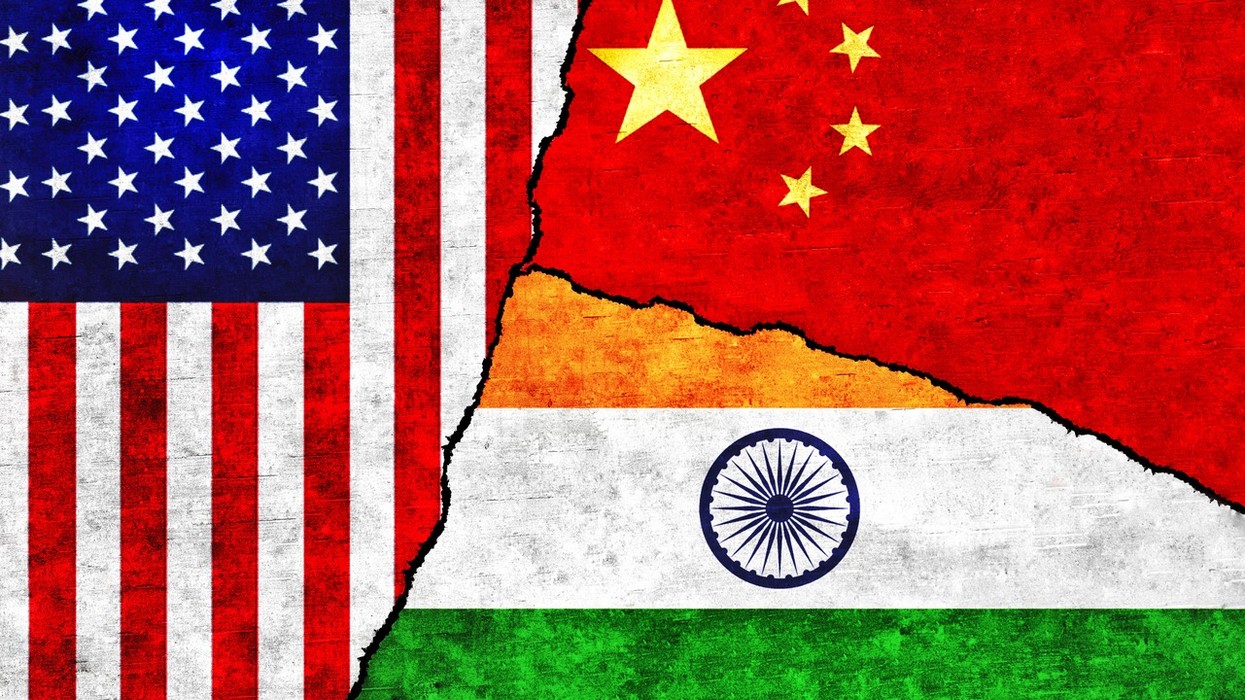
India and China have been the most affected by stricter immigration policies introduced by the Trump administration, according to a recent media report. New data shows a significant decline in US visa approvals during the first eight months of 2025 compared to the same period in 2024.
Between January and August 2025, the US State Department issued about 250,000 fewer visas overall. This represents an 11 percent drop in approvals for both permanent resident and temporary visas. These categories typically include visas for students, skilled workers, and family members of US citizens or legal residents.
The decline does not include tourist visas, which also saw a decrease during the same period. According to the report, business and tourism visas dropped by around 3.4 per cent, amounting to nearly 200,000 fewer visas compared to the previous year.
A major portion of this reduction came from fewer visas issued to Indian and Chinese nationals. Together, applicants from these two countries accounted for a drop of about 84,000 visas. This decrease is largely linked to fewer international students and workers entering the United States.
Student visas saw one of the sharpest declines. In the first eight months of 2024, more than 344,000 student visas were issued. However, during the same period in 2025, the number fell to just over 238,000. This suggests a significant slowdown in the flow of international students.
Family-based immigration was also affected. Family preference visas—which include adult children and siblings of US citizens, fell by more than 27 percent, a drop of over 44,000 visas. Similarly, visas issued to fiancé(e)s and spouses saw a steep decline, dropping from 37,229 in 2024 to 18,894 in 2025.
Other visa categories experienced notable decreases as well. Visas for sea and airline workers dropped by 30,876, while those for cultural exchange visitors declined by 29,594.
Officials from the Trump administration defended the stricter policies. White House spokeswoman Abigail Jackson said in a statement that “President Trump was elected with a resounding mandate to put American citizens first and every policy decision he's made has reflected that priority.”
State Department spokesman Tommy Pigott echoed this stance, stating: “A visa is a privilege, not a right. Unlike the Biden administration, President Trump is not willing to compromise the safety of American citizens to allow mass migration of unvetted foreign nationals into our country.”
The data reflects a broader shift in US immigration policy, focusing on tighter screening and reduced intake across multiple visa categories. Experts suggest that these changes could have long-term impacts on international education, workforce mobility, and family reunification trends.