
Highlights:
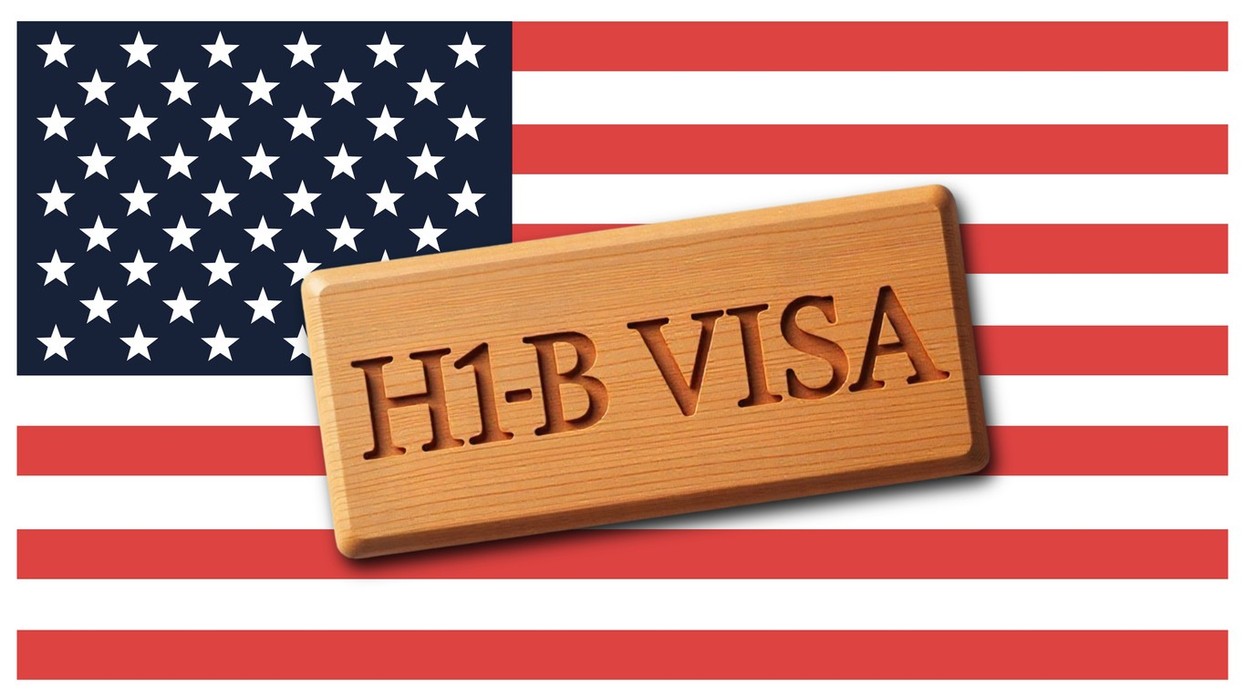
- USCIS completes FY 2027 H-1B cap selection, reaching 85,000 visa limit
- Filing for selected beneficiaries opens April 1, 2026, for at least 90 days
- New wage-based selection model prioritizes higher-paid, skilled applicants
- Updated Form I-129 and stricter documentation requirements were introduced
- $100,000 fee in select cases aims to curb overseas hiring and boost local recruitment
The US Citizenship and Immigration Services (USCIS) announced that is has completed the H-1B cap selection process for the fiscal year 2027, successfully meeting the annual quota of 85,000 beneficiaries. This includes both the regular cap and the advanced-degree exemption lottery.
According to the agency, notifications have been sent to all petitioners whose registrations were selected. These petitioners are now eligible to file H-1B cap-subject petitions on behalf of their chosen beneficiaries. The filing window officially opens on April 1, 2026, and will remain open for a minimum of 90 days.
The H-1B visa program remains a critical pathway for US companies, particularly in the technology sector, to hire highly skilled foreign professionals. Indian nationals continue to represent one of the largest groups of H-1B recipients, especially in fields such as information technology and healthcare.
USCIS emphasized that petitioners must include a copy of the selection notice when submitting their applications. Additionally, all petitions must align with the details provided during registration, including the beneficiary’s identifying information and job-related data. Supporting documentation, such as a valid passport or travel document used during registration, is also required.
For FY 2027 filings, USCIS will accept the revised Form I-129, which was released on February 27, 2026. The agency has also introduced new documentation requirements, including evidence supporting the wage level indicated at the time of registration.
A significant policy shift is underway as the H-1B selection process transitions toward a wage-based model. Under this approach, applicants offering higher wages, often reflecting more advanced skills, will receive priority. The change is intended to better align visa allocation with US labor market needs and discourage misuse of the system.
In addition, a substantial fee structure has been introduced. In certain cases, employers sponsoring workers from outside the United States may be subject to a $100,000 fee. This measure is designed to reduce dependency on overseas hiring and incentivize companies to invest in domestic talent.
The US Congress maintains the current H-1B cap at 65,000 visas annually, with an additional 20,000 slots reserved for individuals holding advanced degrees from US institutions.