
Highlights:
- US lawmakers say Indian tariffs put American pulse farmers at a disadvantage
- India consumes about 27 per cent of the world’s pulse crops
- Senators cite a 30 per cent tariff on yellow peas imposed by India
- Pulse crops are vital to farmers in Montana and North Dakota
- Lawmakers want pulse crops prioritised in any US-India trade deal
Two lawmakers have urged president Donald Trump to take the issue of India's high tariffs on pulse crops during any future trade negotiations, warning that American producers are facing a serious competitive disadvantage in one of the world's most important markets.
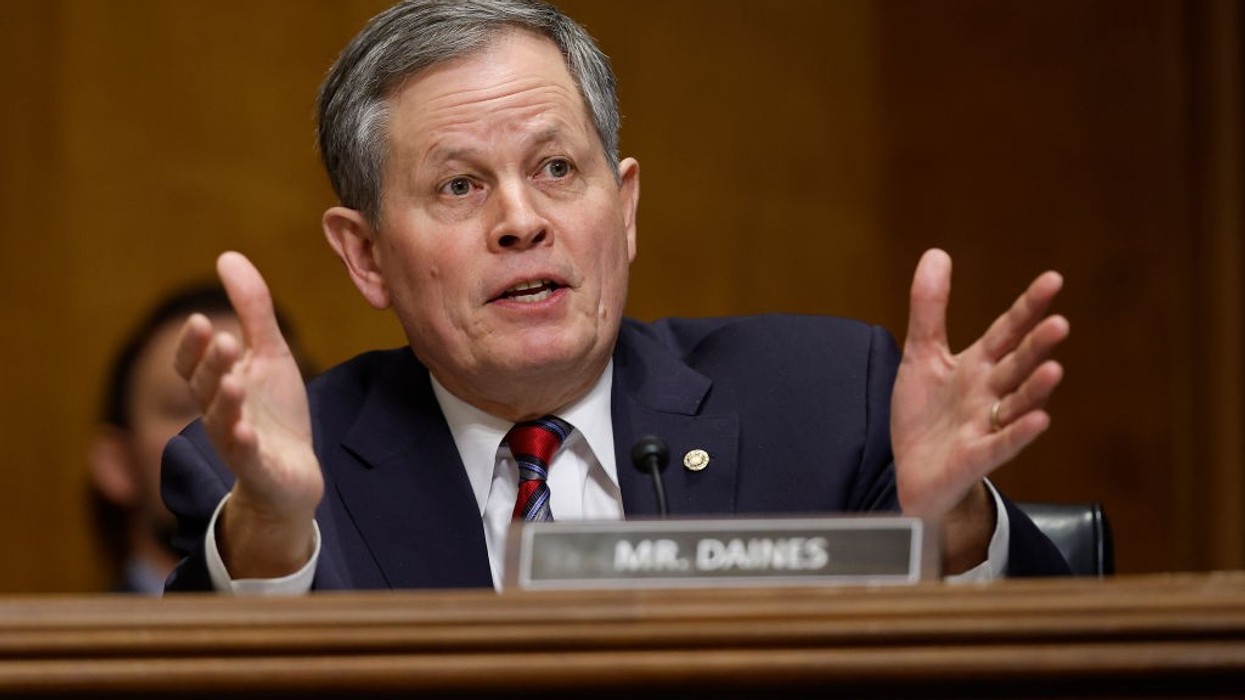
In a letter dated Friday (16), Republican senators Steve Daines of Montana and Kevin Cramer of North Dakota appealed to Trump to seek more favorable provisions for US pulse crop exports in potential trade agreements with India. The senators represent the top two pulse-producing states in the US, where crops such as peas, lentils, and chickpeas play a critical role in local agricultural economies.
The lawmakers pointed out that India is the world's largest consumer of pulse crops, accounting for roughly 27 per cent of global consumption. Lentils, chickpeas, dried beans, and peas form a staple part of the Indian diet, creating what the senators described as a natural and significant opportunity for American farmers. However, they argued that high import duties imposed by New Delhi have severely restricted access to this market.
According to the letter, India announced a 30 per cent tariff on yellow peas on October 30 last year, which came into effect on November 1, 2025. The senators said such measures have made it increasingly difficult for US producers to compete, despite the quality and scale of American pulse crop production.
“As a result of the unfair Indian tariffs, US pulse crop producers face a significant competitive disadvantage when exporting their high-quality product to India,” the lawmakers wrote. They added that addressing these tariff barriers could strengthen economic cooperation between the two countries and deliver benefits on both sides.
Daines and Cramer argued that reducing tariffs on pulse crops would not only support American farmers but also benefit Indian consumers by increasing supply and stabilising prices. They described engagement with Prime Minister Narendra Modi on the issue as “mutually beneficial” and consistent with broader efforts to deepen US-India economic ties.
The senators also recalled their efforts during Trump’s first term, when they raised similar concerns ahead of the 2020 US–India trade negotiations. They noted that Trump had personally delivered their letter to Modi, a move they said helped bring American pulse producers into the trade discussion.
Thanking Trump for his continued focus on improving conditions for US agricultural producers, particularly in Montana and North Dakota, the lawmakers said they hoped pulse crops would be prioritised as trade talks progress. They emphasised that American farmers have the capacity to meet global demand if trade barriers are reduced.
Referring to their earlier 2020 letter, the senators reiterated that Indian tariffs worsened after India was removed from the US Generalized System of Preferences in June 2019, leading to additional duties on American exports. As the US seeks to rebalance trade disparities, they said, easing access to the Indian market would allow American farmers to play a larger role in feeding the world.











 https://www.voteratlas.io/
 https://www.voteratlas.io/