

While the confirmation of former Los Angeles mayor Eric Garcetti as the next US ambassador to India has impressed the Indian-American community, some observers have raised questions over the Democratic leader's criticism of human rights situation in India and particularly, the country's controversial Citizenship Amendment Act (CAA) which he feels is discriminatory.
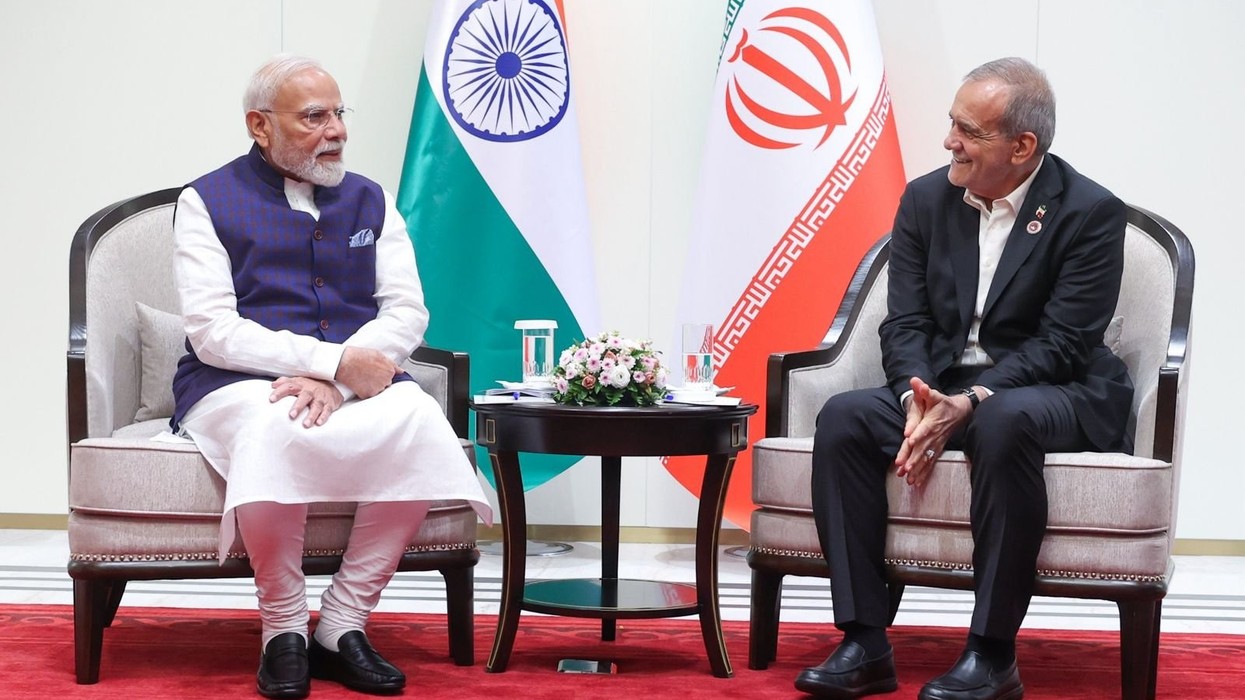
However, it seems the Indian external affairs establishment is not too concerned. After the ministry of external affairs welcomed Garcetti's confirmation as the next full-fledged US envoy to the south Asian nation, something which is happening for the first time after Joe Biden became the US president in 2021, India's minister of external affairs Subrahmanyam Jaishankar said they will explain things to the American diplomat with love.
Jaishankar, who was attending the India Today Conclave 2023 in New Delhi on Friday (17), was asked what happens when Garcetti sets his foot in India. “Let him come here. Pyaar se samjha denge (we will explain it to him with love),” he said with a smile, India Today reported.
Speaking on his stance on the CAA, the Indian diplomat said that common sense should not become subservient to political correctness. He also gave the examples of Lautenberg Amendment and Specter Amendment that target fast-tracking the US citizenship procedure for specific religious minorities.
Garcetti, who is a close aide of Biden and got the diplomatic role nearly 26 months after his name was first floated, had said during his confirmation hearings in 2021 that he would “actively raise” human rights issues in New Delhi. He said this in response to a question about the CAA, which the Indian parliament passed in 2019 end.
Protests had erupted across India against the CAA in 2020.
The law grants immigrants from Afghanistan, Pakistan, and Bangladesh a shot at applying for citizenship in India — but only if they belong to the Hindu, Christian, Sikh, Jain, Parsi or Buddhist community.
The US Senate voted 52-42 to confirm Garcetti’s nomination on Wednesday (15).

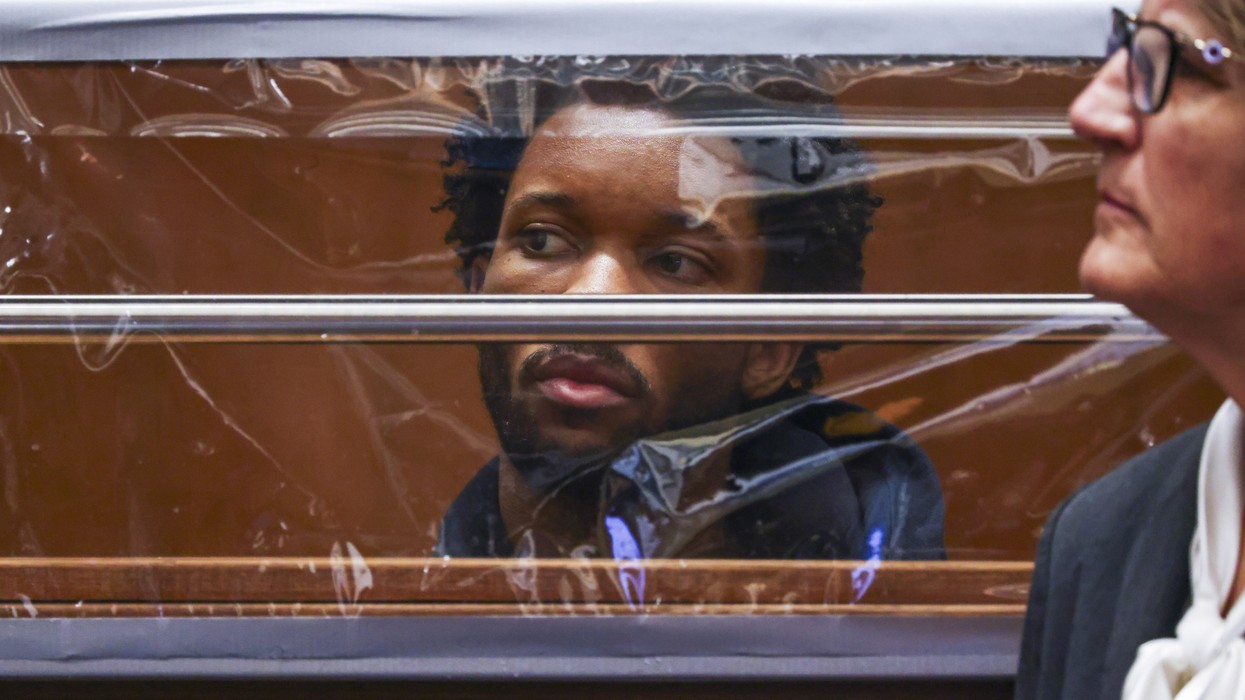
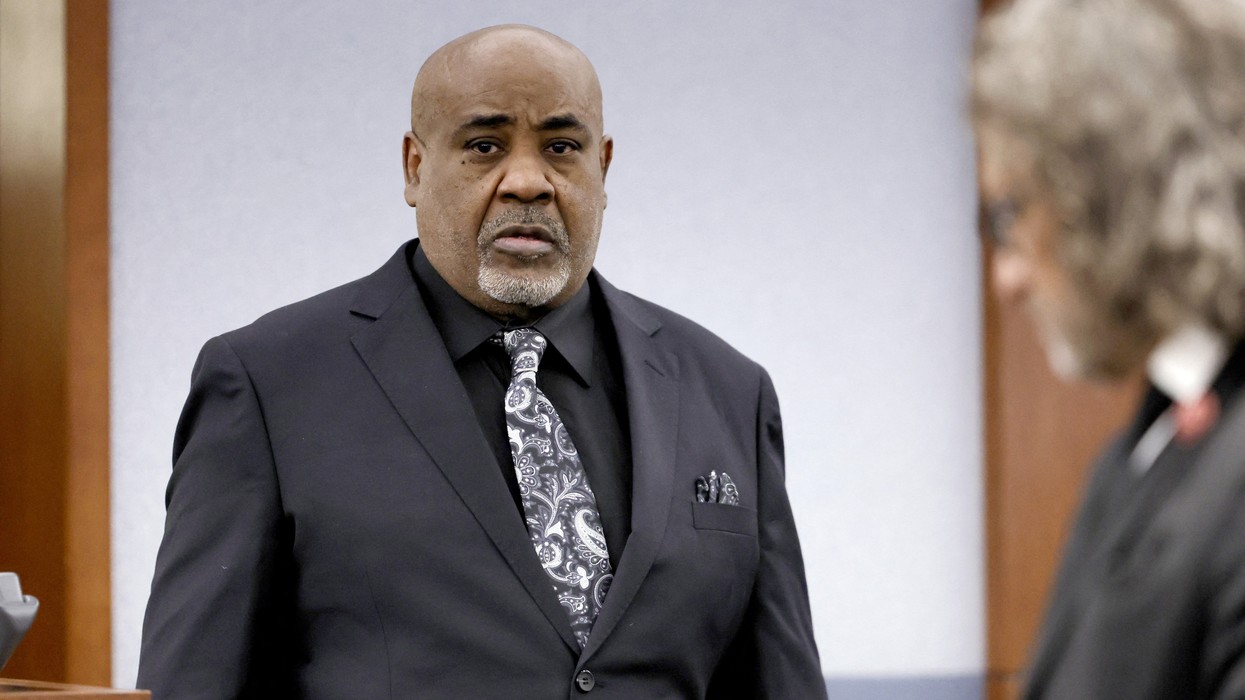
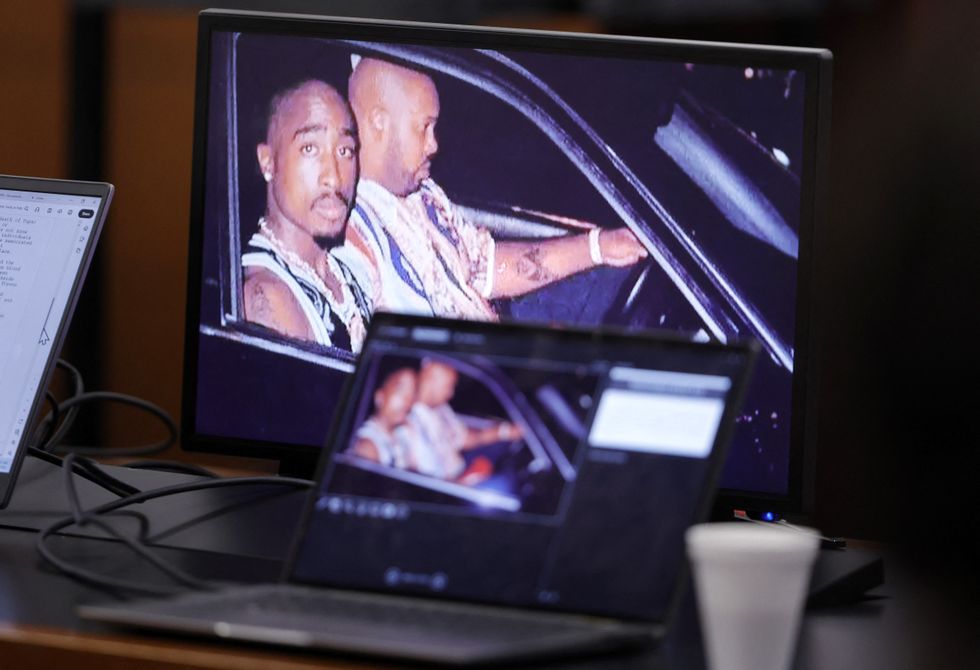 A 1996 photo of rapper Tupac Shakur (L) and Marion "Suge" Knight is shown on screens during closing arguments in the Duane Davis murder trial, related to the 1996 killing of rapper Tupac Shakur, at Clark County District Court at the Regional Justice Center in Las Vegas, Nevada, on August 31, 2026. Getty Images


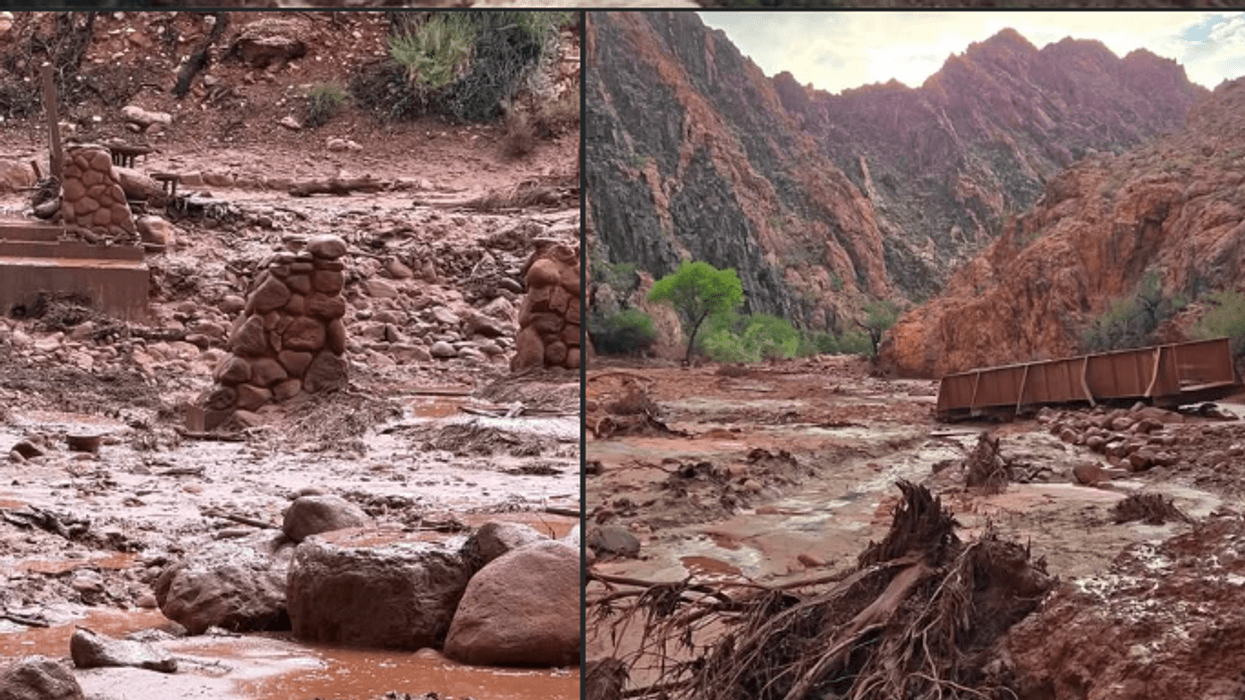

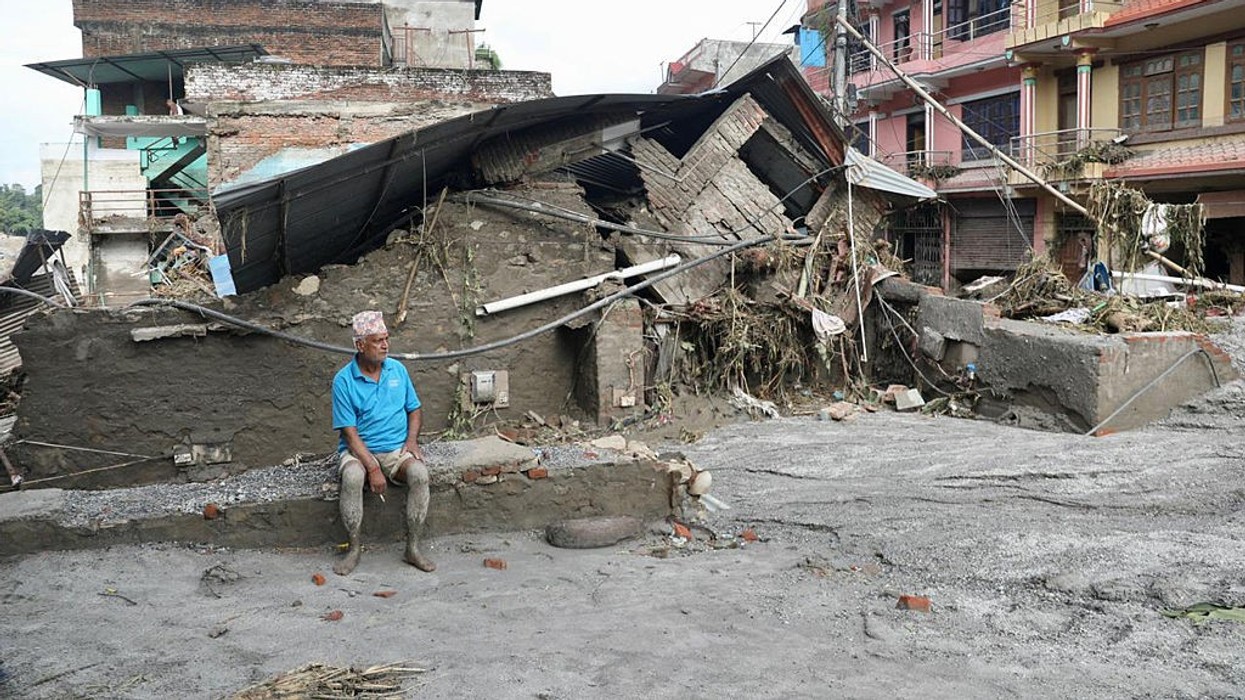
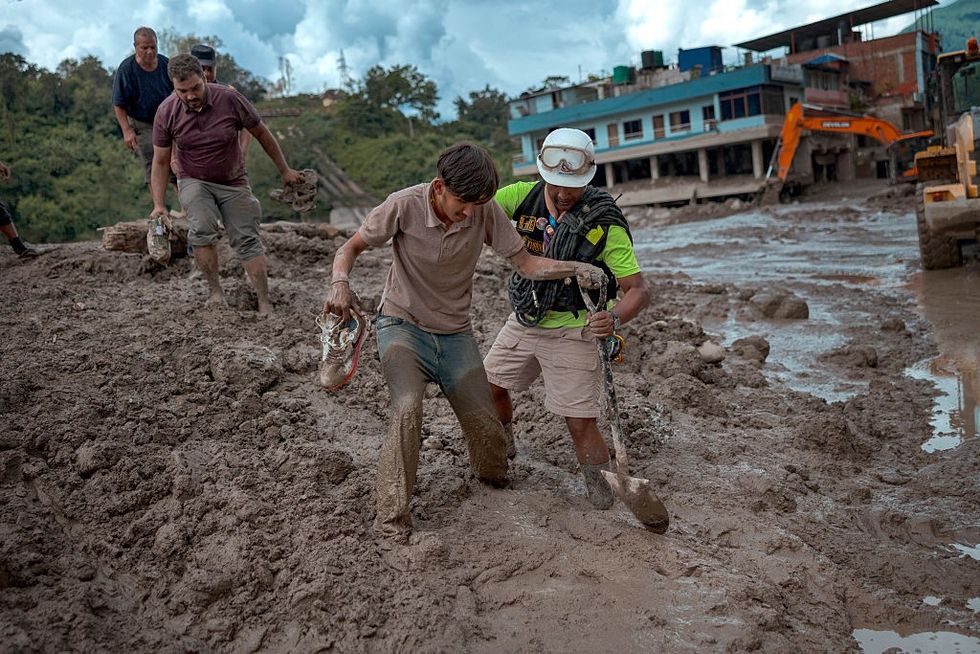 A rescuer assists a resident through heavy mud following flash floods on August 27, 2026 in Trishuli, Nepal. A sudden flood swept through the Bhote Koshi River basin in northern Rasuwa on August 26, damaging settlements, roads and energy infrastructure as rescue teams searched for residents and foreign travellers reported out of contact. Hundreds were reported missing, as the death toll started to climb.Getty Images
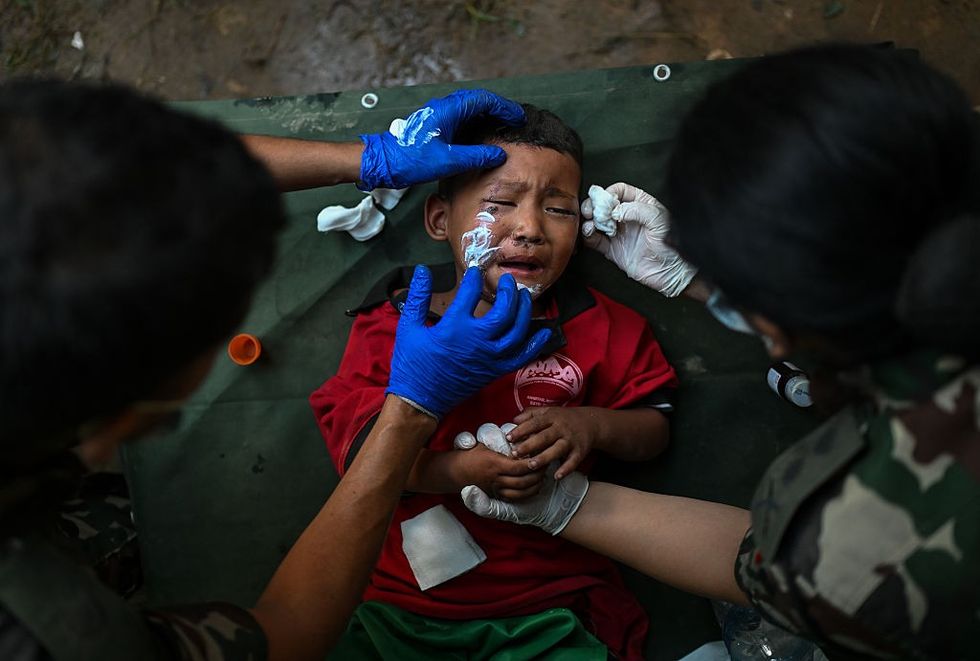 Rescue personnel provide medical treatment to a child at an army rescue camp in Trishuli Batar, Nepal, on August 27, 2026. A sudden flood swept through the Bhote Koshi River basin in northern Rasuwa on August 26, damaging settlements, roads and energy infrastructure, as rescue teams searched for residents and foreign travellers reported out of contact. Hundreds were reported missing as the death toll began to climb. Getty Ima
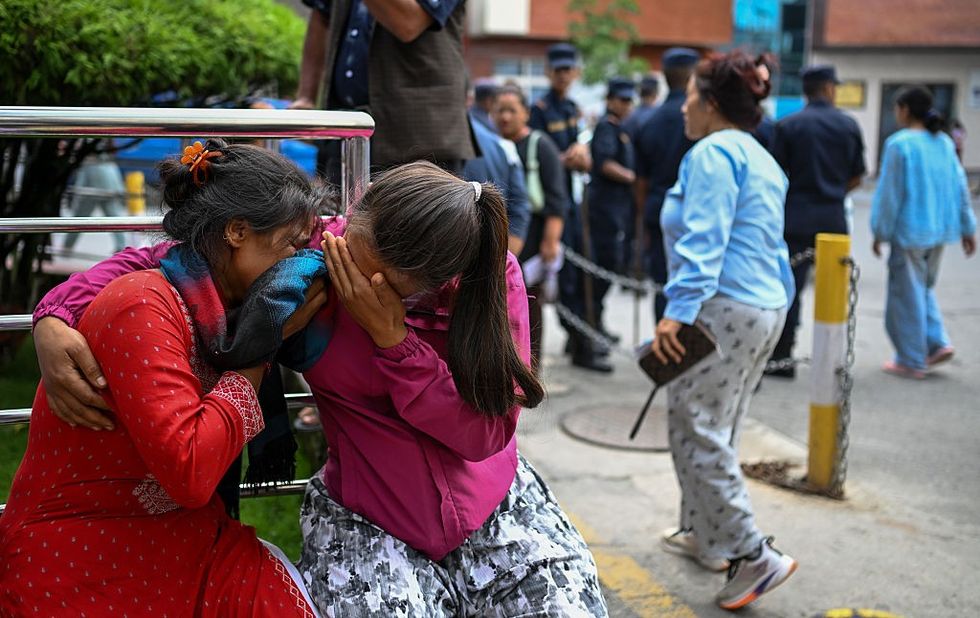 Family members of missing flood victims react at the emergency ward of the Maharajgunj Medical Campus, part of the Tribhuvan University Teaching Hospital, on August 28, 2026 in Kathmandu, Nepal. Authorities said the flash floods were triggered after a mass of ice, mud and rock collapsed into a Himalayan river near the Nepal-China border, leaving hundreds dead or missing and causing widespread damage in affected districts. Authorities continued the gruelling search for victims, many buried under metres of mud, as both China and Nepal issued fresh flooding alerts.Getty Images