
Highlights:
- Matthew Marsden faced backlash and threats after comments on H-1B visas
- His post about Indians in Texas was widely criticized as bigoted
- Debate highlights tensions around immigration and community identity
- Indian nationals make up most H-1B visa approvals in the US
- Policy changes and political focus are shaping the future of the program
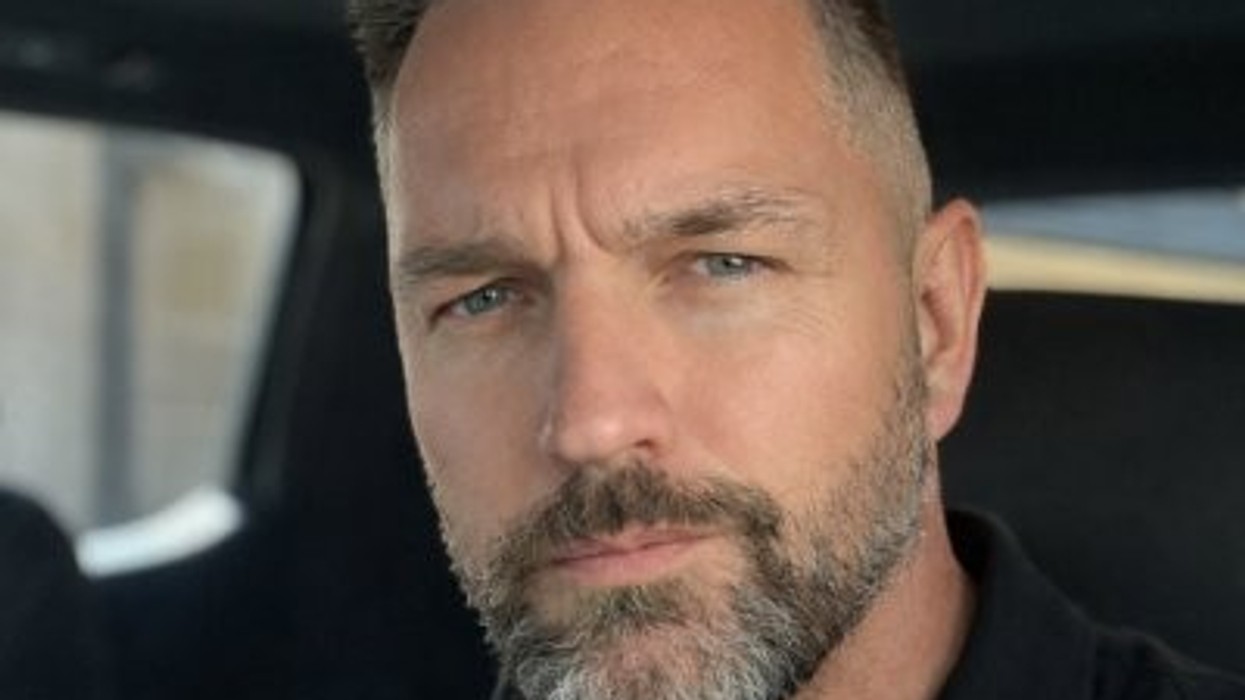
After the Trump administration has made stricter rules for H-1B visas and immigration policy changes, many Americans are turning into whistleblowers. One of them is British-American Matthew Marsden, who said on Monday (6) that he received death threats after posting on social media about what he called H-1B visa fraud involving Indians in Texas. His comments drew strong criticism online.
Marsden said he was not targeting any skin color or nationality. He added that he would react the same way if people from the UK were involved.
The controversy started after a post he shared on X on Saturday (4), where he described a visit to a Home Depot store.
“I just went to Home Depot, and there was a morning for kids there. Every single family there was Indian, and no one was speaking English. This H-1B visa fraud is destroying Texas, and something needs to be done about it,” the post read.
The comments quickly led to backlash, with many users calling them bigoted. Critics said that children speaking Indian languages with their families is normal and does not show visa misuse.
“Every Indian kid learns at least 2 languages and speaks the Indian tongue in the presence of family. I can guarantee they speak English too. Why did you leave that out? Because bigotry gets clicks. I guess,” one user wrote.
Activist Indu Viswanathan also responded, saying, “Being outraged by brown children at Home Depot who aren't speaking English is bigotry, not evidence of H-1B fraud.”
Some users supported Marsden’s concerns, while others called the post “engagement bait.”
Marsden, known for his roles in the TV show Coronation Street and the film Black Hawk Down, has often spoken about immigration issues. He moved to the United States in 2003, lives in Texas, and holds dual UK-US citizenship.
The H-1B visa program, started in 1990, allows US employers to hire foreign workers for specialized jobs.
Up to 85,000 new visas are issued each year; the cap applies only to new applicants, not renewals. Many workers who stay in the US with a valid H-1B status.
Earlier this year, a similar debate caused tensions in Texas. In February, a meeting of the Frisco City Council in Dallas became heated, with some speakers making claims about visa fraud and comments about the Indian community.
According to The New York Times, some speakers talked about an “Indian takeover” of the city and used terms like “fraudsters” and “low-quality scammers” without evidence.
Residents pushed back against these claims.
“People are worried about their personal safety,” said a Frisco resident of Indian origin. “Our kids have been here; they consider themselves American. This is their home, this is our home.”
Frisco Mayor Jeff Cheney said that many of those making such comments were “outside agitators” and did not represent most residents.
Data from the Pew Research Center shows that about three-quarters of approved H-1B petitions in 2023 went to Indian nationals.
The Dallas-Fort Worth area was among the top regions for approvals, especially in tech jobs like software development and engineering.
US rules require employers to pay H-1B workers wages similar to those of equally qualified American workers.
The issue comes as the program faces renewed political attention.
Texas Governor Greg Abbott recently ordered a pause on H-1B hiring at public universities and state agencies.
US President Donald Trump has taken a stricter stance on immigration while also recognizing the need for skilled foreign workers.
In 2025, his administration added a $100,000 fee on new H-1B applications. There are also plans to raise wage requirements by 21 to 33 percent, which could increase hiring costs.
At the same time, the Indian-origin population in the United States continues to grow.
Census data shows that people of Indian origin are now the largest Asian group in the US, linked to a single country, making up about 1.5 per cent of the population.