

India is set to deploy a platoon of women peacekeepers in Abyei region of Sudan on Friday (6) as part of the Indian Battalion in the United Nations Interim Security Force (UNISFA).
This will be India's largest single unit of women peacekeepers in a United Nations (UN) Mission since it deployed the first-ever all-women contingent in Liberia in 2007, stated the Permanent Mission of India to the UN press release.
In 2007, India became the first country to deploy an all-women contingent to a UN peacekeeping mission. The Formed Police Unit in Liberia provided 24-hour guard duty, conducted night patrols in the capital Monrovia, and helped to build the capacity of the Liberian police.
The Indian contingent, comprising two officers and 25 Other Ranks, will form part of an Engagement platoon and specialize in Community outreach, though they will be performing extensive security-related tasks as well, added the release.
Their presence will be especially welcome in Abyei, where a recent spurt in violence has triggered a spate of challenging humanitarian concerns for women and children in the conflict zone.
The deployment in Abyei will also herald India's intent of increasing significantly the number of Indian women in Peacekeeping contingents, added the release.
The Security Council, by its resolution 1990 of 27 June 2011, responded to the urgent situation in Sudan's Abyei region by establishing the UNISFA. The UN Security Council was deeply concerned by the violence, escalating tensions and population displacement.
The operation has been tasked with monitoring the flashpoint border between north and south and facilitating the delivery of humanitarian aid, and is authorized to use force in protecting civilians and humanitarian workers in Abyei.
The UNISFA's establishment came after the government of Sudan and the Sudan People's Liberation Movement (SPLM) reached an agreement in Addis Ababa, Ethiopia, to demilitarise Abyei and let Ethiopian troops monitor the area.
More than 200,000 Indians have served in 49 of the 71 UN peacekeeping missions established around the world since 1948.
India has a long tradition of sending women on UN peacekeeping missions.
In 1960, women serving in the Indian Armed Forces Medical Services were interviewed by UN Radio before being deployed to the Republic of the Congo.
Women peacekeepers are highly regarded in Peacekeeping Missions throughout the world for their ability to reach out and connect with women and children in local populations, especially victims of sexual violence in conflict zones, read the release.
Indian women particularly have a rich tradition in Peacekeeping. Dr Kiran Bedi, UN's first Police Adviser, Major Suman Gawani and Shakti Devi have made a mark for themselves in UN Peacekeeping.
"Our teams in the Congo and South Sudan have also done sterling work in mainstreaming women and children into Community and Social developmental projects at the grassroots level," the release said.
Indian peacekeepers have served in UN peacekeeping missions around the world. They protect civilians and support peace processes, and also carry out specialist tasks. In Eritrea, Indian engineers helped to rehabilitate roads as part of the UN Mission in Ethiopia and Eritrea (UNMEE).
Moreover, Indian doctors provided medical care to the local population in missions around the world, including in the Democratic Republic of the Congo.
Veterinary doctors are also sometimes deployed as part of the peacebuilding process.
(ANI)



 A 1996 photo of rapper Tupac Shakur (L) and Marion "Suge" Knight is shown on screens during closing arguments in the Duane Davis murder trial, related to the 1996 killing of rapper Tupac Shakur, at Clark County District Court at the Regional Justice Center in Las Vegas, Nevada, on August 31, 2026. Getty Images


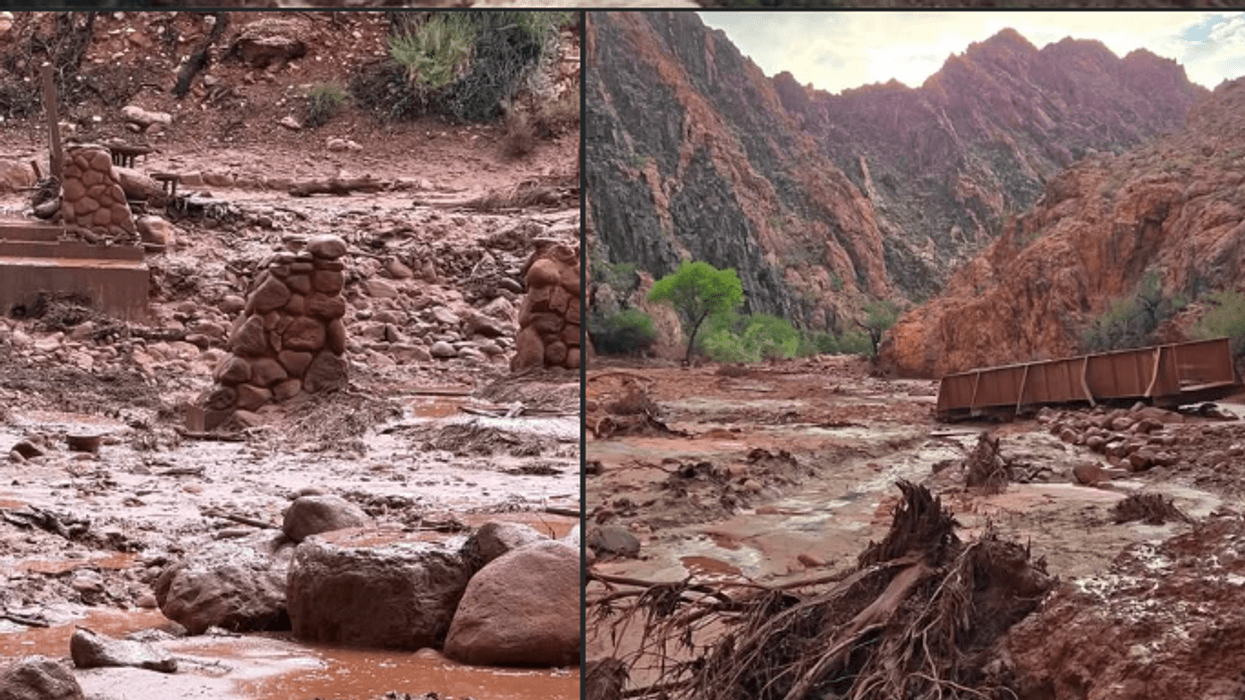
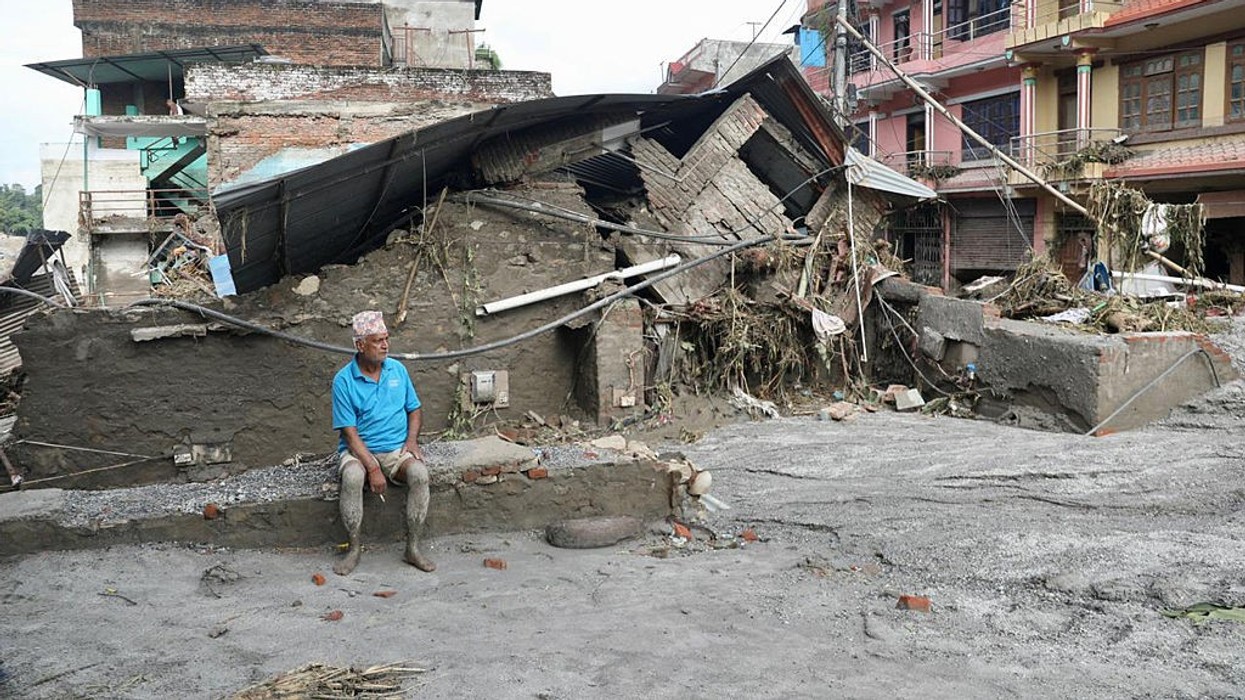
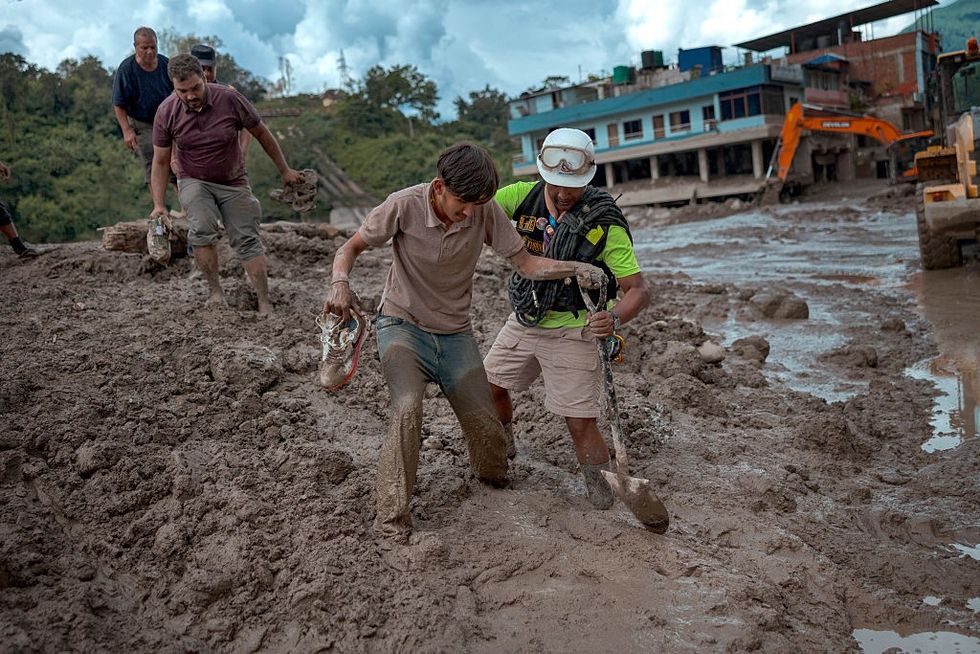 A rescuer assists a resident through heavy mud following flash floods on August 27, 2026 in Trishuli, Nepal. A sudden flood swept through the Bhote Koshi River basin in northern Rasuwa on August 26, damaging settlements, roads and energy infrastructure as rescue teams searched for residents and foreign travellers reported out of contact. Hundreds were reported missing, as the death toll started to climb.Getty Images
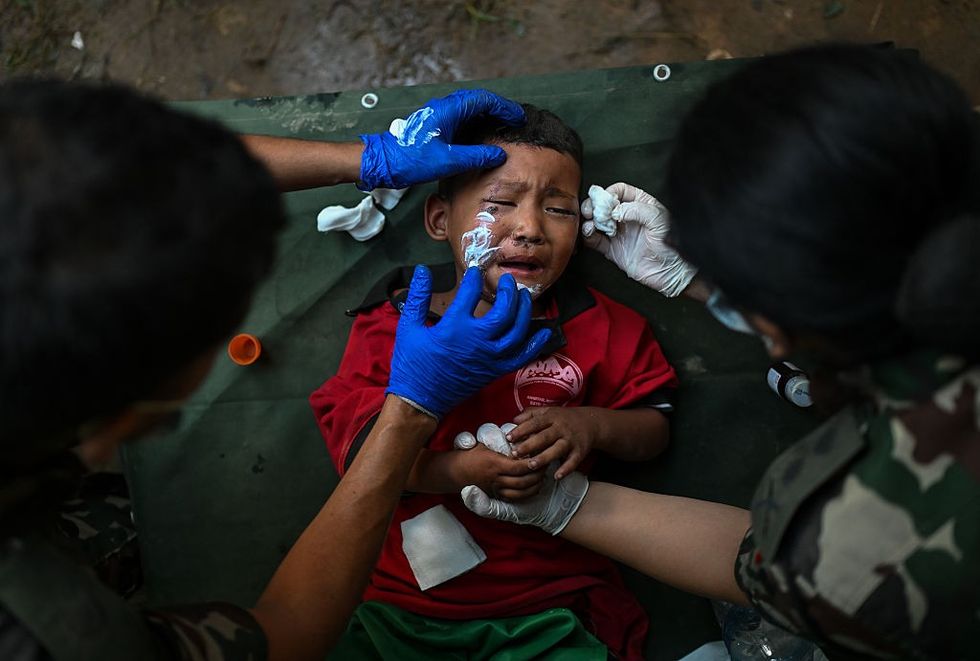 Rescue personnel provide medical treatment to a child at an army rescue camp in Trishuli Batar, Nepal, on August 27, 2026. A sudden flood swept through the Bhote Koshi River basin in northern Rasuwa on August 26, damaging settlements, roads and energy infrastructure, as rescue teams searched for residents and foreign travellers reported out of contact. Hundreds were reported missing as the death toll began to climb. Getty Ima
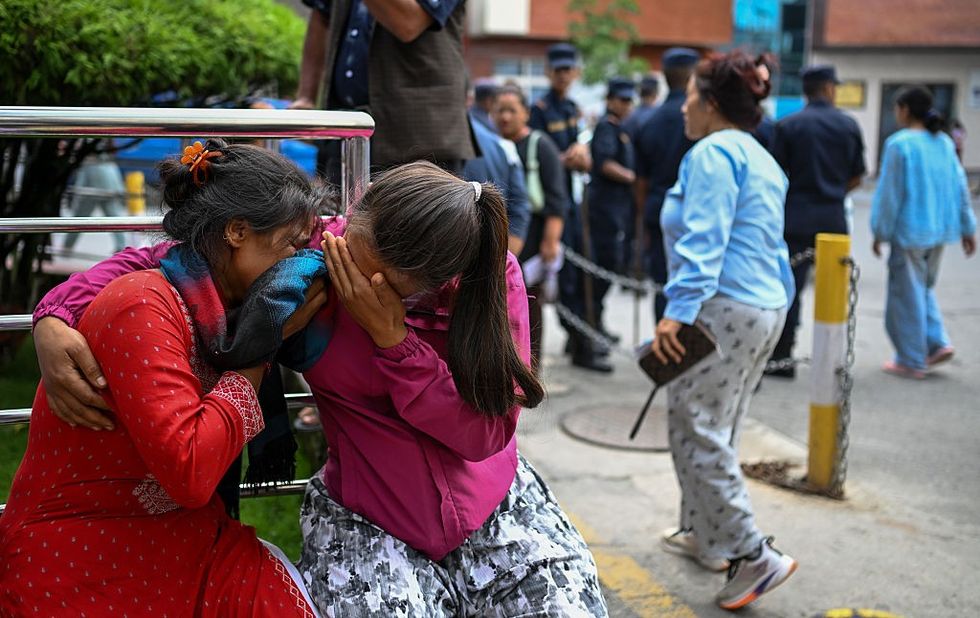 Family members of missing flood victims react at the emergency ward of the Maharajgunj Medical Campus, part of the Tribhuvan University Teaching Hospital, on August 28, 2026 in Kathmandu, Nepal. Authorities said the flash floods were triggered after a mass of ice, mud and rock collapsed into a Himalayan river near the Nepal-China border, leaving hundreds dead or missing and causing widespread damage in affected districts. Authorities continued the gruelling search for victims, many buried under metres of mud, as both China and Nepal issued fresh flooding alerts.Getty Images