
Highlights:
- India–EU free trade deal announced after nearly two decades of talks
- Tariffs to fall sharply on cars, machinery, chemicals, and textiles
- Indian exports get wide preferential access to EU markets
- Deal includes a mobility framework for professionals
- Seen as a strong signal against global protectionism
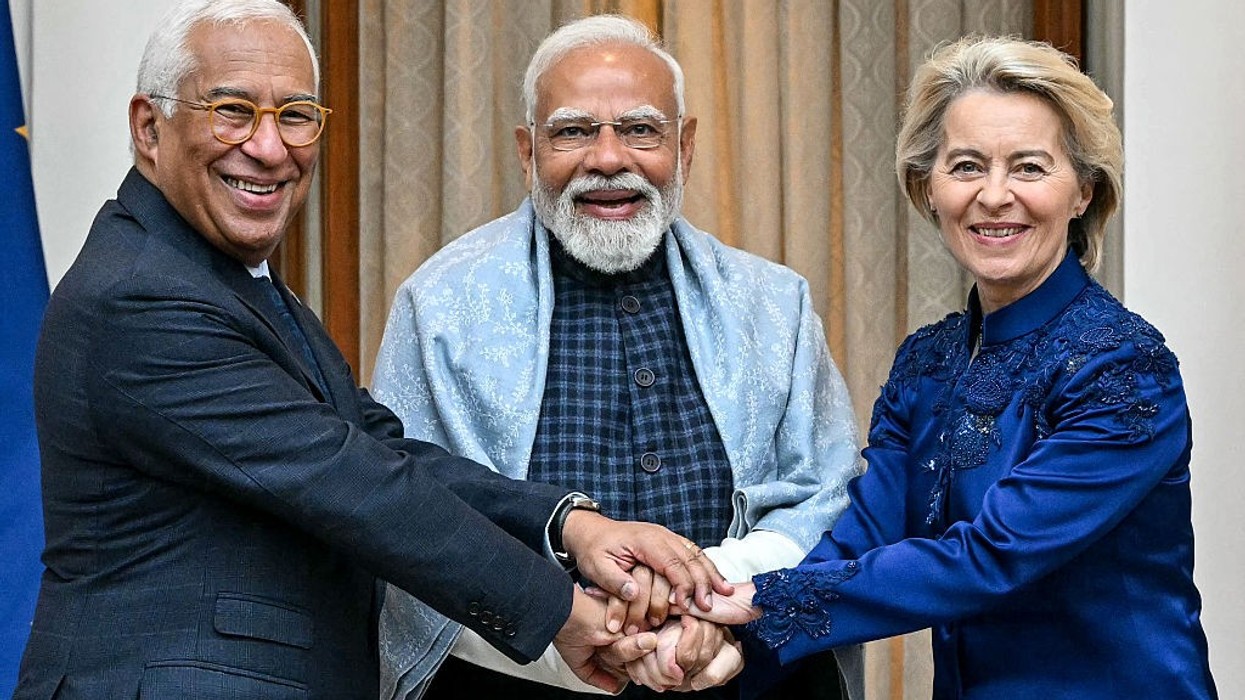
India and the European Union have announced a landmark free trade agreement, calling it historic and transformative. The deal comes after almost 20 years of stop-start negotiations and aims to deepen economic and political ties between two of the world’s largest economies.
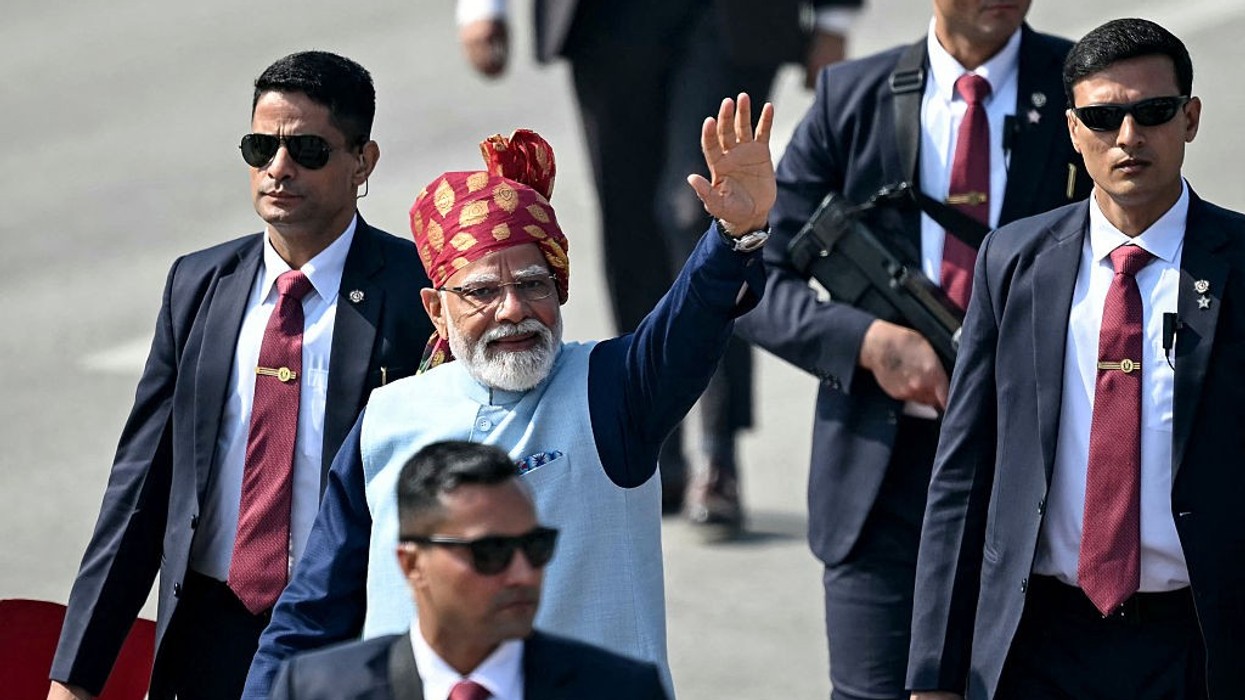
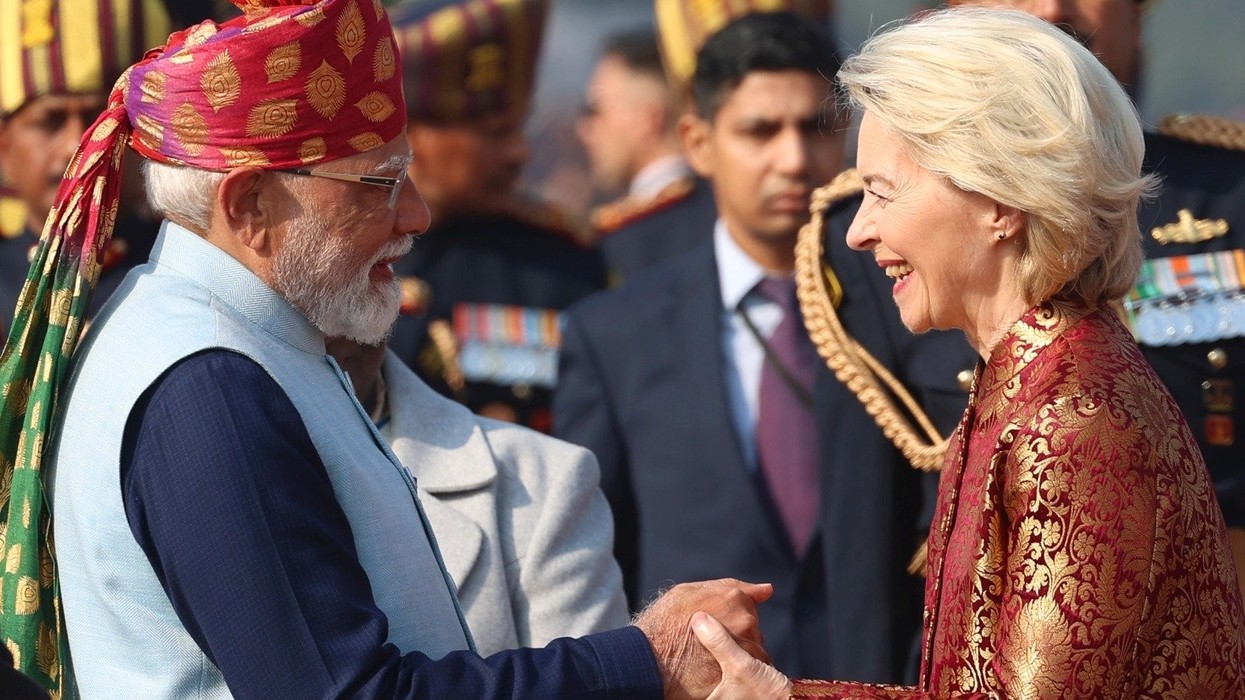
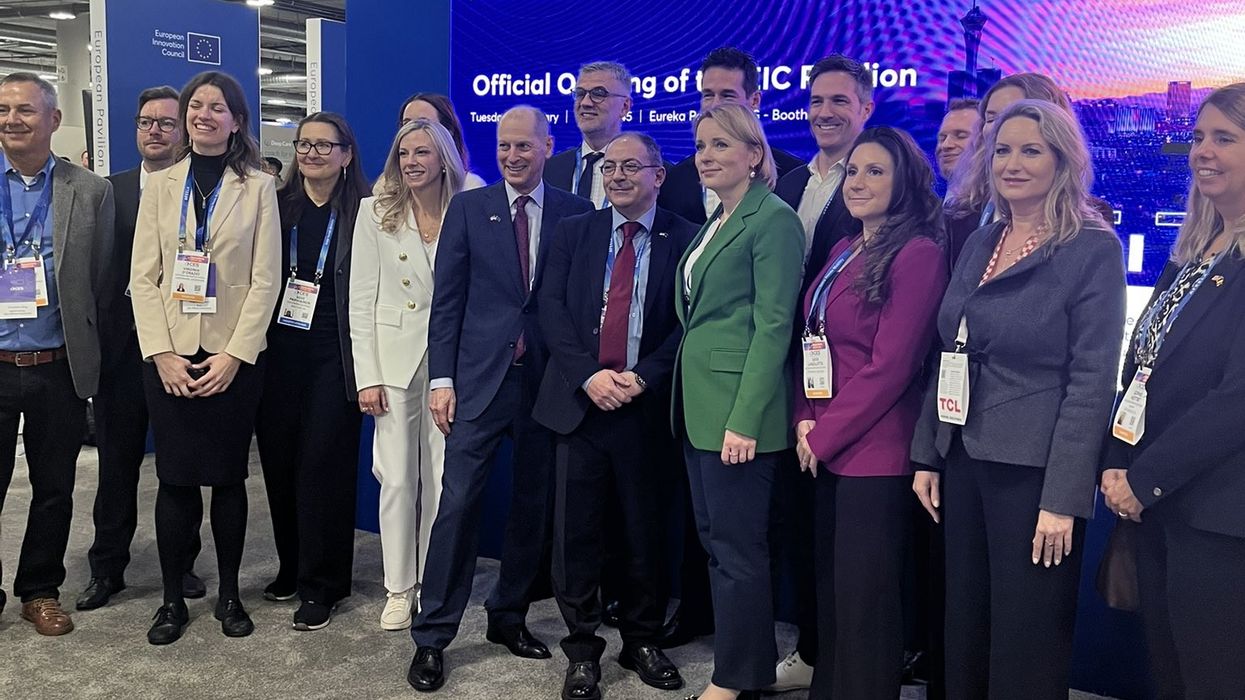
European Commission President Ursula von der Leyen said, “We did it, we delivered the mother of all deals,” while Indian Prime Minister Narendra Modi described it as “historic” and said it would benefit farmers, small businesses, manufacturers, and service providers across India.
Together, India and the EU represent nearly 25 per cent of global GDP and a combined market of about two billion people. The agreement will allow freer trade of goods between the 27-nation EU bloc and India by reducing or removing tariffs on a wide range of products over time.
Under the deal, the EU said tariffs will be eliminated on most exports of chemicals, machinery, electrical equipment, and even aircraft and spacecraft, following phased reductions. One of the most important changes is in the automobile sector. Import duties on cars, which can be as high as 110 per cent in India, will be cut to 10% under a quota of 250,000 vehicles. This quota is much larger than what India offered the UK in its trade deal last year.
For India, the agreement means easier access to European markets. Almost all Indian exports will receive preferential treatment in the EU. Key sectors expected to benefit include textiles, leather, marine products, handicrafts, gems, and jewellery. Products such as tea, coffee, spices, and processed foods will also see reduced or zero tariffs.
At the same time, India has protected sensitive domestic sectors. Items like dairy products, cereals, poultry, soy meal, and certain fruits and vegetables will remain safeguarded to balance export growth with local priorities.
The deal is also expected to boost investment flows and strengthen supply chains between India and Europe. Brussels said it would help integrate industries and make businesses on both sides more competitive.
In addition to trade, both sides agreed on a mobility framework that will make it easier for professionals to travel between India and the EU for short-term work opportunities. Talks are also progressing on security, defence cooperation, and climate action.
The agreement comes at a time of rising global trade tensions. Both India and the EU are facing pressure from the United States, which has increased tariffs and taken a more protectionist approach in recent years. European leaders said the deal sends a strong message that cooperation and trade agreements are better than tariffs.
The EU is already India’s largest trading partner in goods, with trade reaching $136 billion in 2024–25, almost double what it was a decade ago. Negotiations for this deal began in 2007, stalled in 2013, and officially restarted in 2022.
The agreement still needs formal approval from the European Parliament and the European Council, with signing expected later this year. Once completed, it will be India’s biggest free trade agreement and one of the EU’s most significant global trade partnerships.