
Highlights:
- US claims India stopped purchasing Russian oil after a 25 per cent Trump tariff
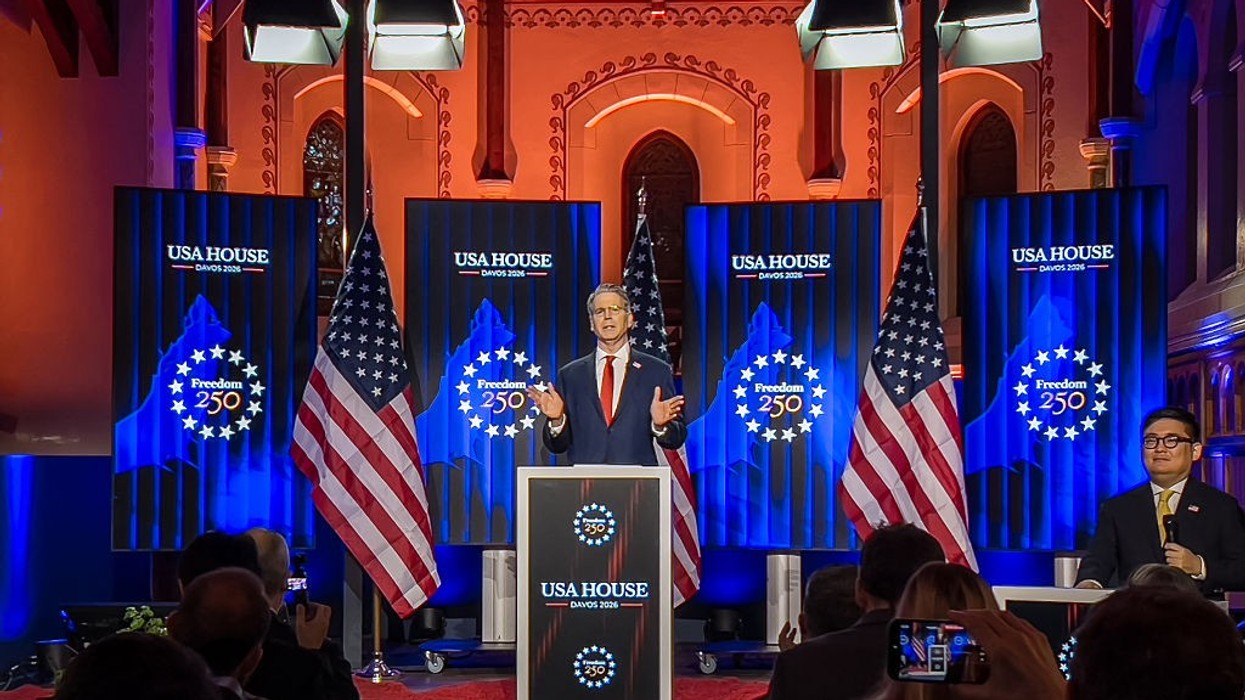
- Treasury Secretary Scott Bessent made the remarks at the World Economic Forum
- A proposed US bill could impose tariffs of up to 500 per cent on Russian oil buyers
- China is expected to face greater scrutiny under the proposed sanctions
- India maintains energy imports are based on market conditions and affordability
The United States has claimed that India has halted its purchases of Russian oil following the imposition of a 25 per cent tariff by President Donald Trump, a move that signals a potential shift in New Delhi’s energy sourcing amid rising geopolitical and trade pressures.
Speaking in interviews with Fox News and Fox Business on the sidelines of the World Economic Forum, US Treasury Secretary Scott Bessent said India had “geared down” its imports of Russian crude after the tariff was announced. According to Bessent, the tariff had an immediate impact on India’s buying behavior, prompting New Delhi to step back from Russian oil supplies.
“India started buying Russian oil after the conflict began,” Bessent said, referring to the period following Russia’s invasion of Ukraine. “But President Trump put a 25 per cent tariff on them, and India has geared down and has stopped buying Russian oil.”
India emerged as one of Russia’s largest oil buyers after Western nations imposed sanctions on Moscow, taking advantage of steep discounts on crude. Russian oil became a key component of India’s energy imports, helping the country manage inflation and maintain fuel affordability for consumers. New Delhi has consistently defended these purchases, arguing that its energy decisions are driven by market conditions and national interest rather than geopolitical alignment.
Bessent’s comments come as Washington debates a new Russia Sanctions Bill that could dramatically escalate economic pressure on countries continuing to buy Russian oil. The proposed legislation, authored by Republican Senator Lindsey Graham, would allow the US government to impose tariffs of at least 500 per cent on nations that persist in importing Russian crude.
While the bill has not yet been passed by the US Senate, Bessent suggested that President Trump already has sufficient authority under existing laws to take aggressive action. He emphasized that the administration is prepared to use all available tools to restrict Russia’s energy revenues, which Washington views as critical to sustaining Moscow’s war effort.
The proposed sanctions are expected to focus heavily on China, currently the largest buyer of Russian oil. US officials have indicated that Beijing’s continued purchases undermine international efforts to isolate Russia economically. In contrast, India’s alleged pullback is being cited by the US as evidence that tariffs and trade pressure can influence energy decisions.
Indian officials have not publicly confirmed that Russian oil imports have completely stopped. New Delhi has repeatedly stated that it evaluates energy imports based on price, supply stability, and overall economic impact, while also complying with international laws.
As discussions over tougher sanctions continue in Washington, the situation highlights the growing use of trade policy and tariffs as geopolitical tools. Whether India’s energy strategy has fundamentally changed or merely adjusted temporarily remains to be seen, but the US claims mark a significant moment in the evolving global response to the Russia-Ukraine conflict.