
Highlights:
- India says Iran has assured safe passage for Indian-flagged oil tankers.
- An Iranian source has denied that any formal agreement exists.
- About 28 Indian-flagged vessels with 778 sailors are near the Strait.
- India relies heavily on oil shipped through the strategic route.
- Rising conflict in the region has already disrupted global shipping.
India is working to ensure safe passage for its oil tankers through the Strait of Hormuz, a key global shipping route, as tensions in the region raise concerns about maritime security and energy supplies.
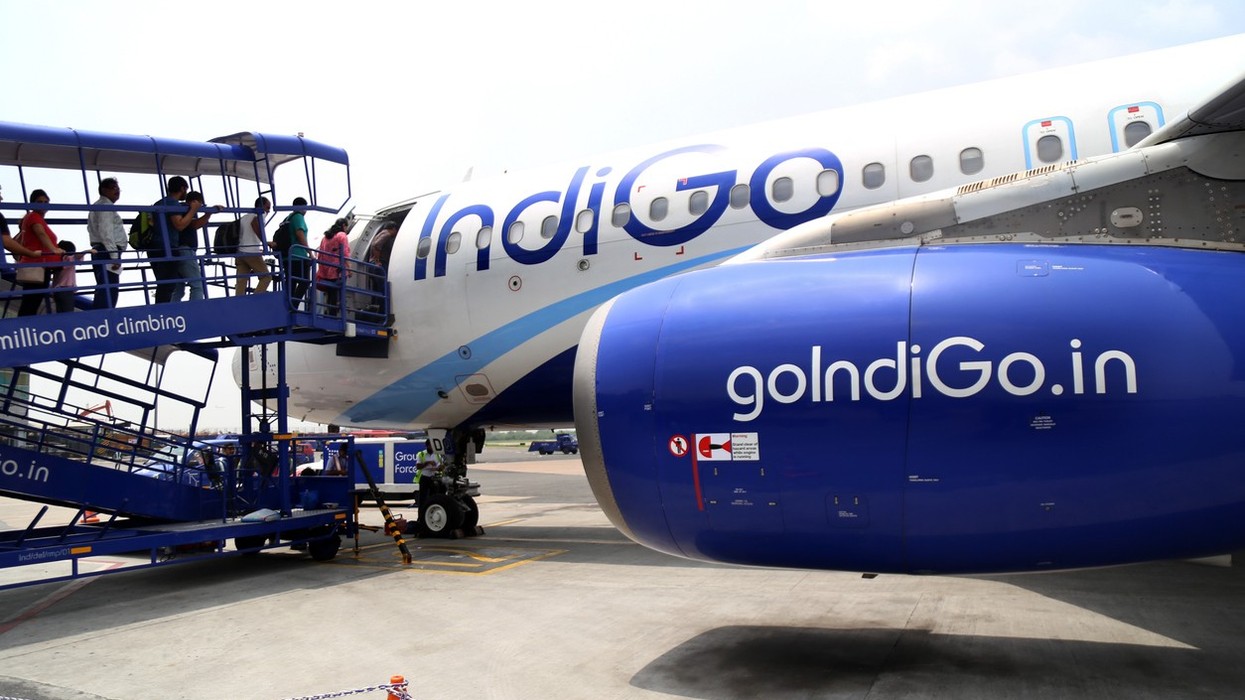
According to an Indian government source, Iran has indicated that it will allow Indian-flagged oil tankers to pass through the strait. However, a separate Iranian source outside the country denied that any formal agreement had been reached between the two sides.
The issue comes at a critical time for India, which is the world’s third-largest consumer of crude oil and depends heavily on shipments passing through the strategic waterway. Nearly 40% of India’s crude oil imports move through the narrow passage that connects the Persian Gulf with global shipping lanes.
Indian officials said the foreign ministers of both countries have spoken three times in recent days. The latest conversation took place earlier this week between S. Jaishankar, India’s external affairs minister, and his Iranian counterpart Seyed Abbas Araghchi.
According to India’s foreign ministry, the discussions focused on shipping safety and the country’s energy security amid the ongoing regional tensions. However, ministry spokesperson Randhir Jaiswal said it would be premature to provide more details about the outcome of the talks.
The Indian government source, who spoke on condition of anonymity, said that Iran had assured safe passage for Indian-flagged vessels after the ministers spoke by phone earlier this week. The source added that two foreign-flagged tankers believed to be carrying oil for India had recently crossed the strait.
Still, the source noted that the situation remains uncertain, with limited clarity on how instructions are being communicated through different levels of Iran’s administration.
In a statement following the talks, Iran’s foreign ministry blamed the United States for the security problems affecting shipping in the Persian Gulf. The statement said Washington should be held responsible for the “insecure situation” in the region. Neither country publicly confirmed any agreement on allowing Indian vessels to pass safely.
On Wednesday, India said that 28 Indian-flagged ships were operating on both sides of the Strait of Hormuz. These vessels have a total of 778 Indian sailors on board.
India’s petroleum ministry said authorities, shipping companies, and recruitment agencies are working closely with Indian embassies and local officials to protect the sailors and assist them if necessary.
India has also taken steps to help Iranian sailors affected by the conflict. The country recently provided safe harbor to 183 Iranian sailors from a vessel that docked after fighting broke out involving Iran, the United States, and Israel.
New Delhi had earlier allowed three Iranian ships that had taken part in a naval exercise in the Bay of Bengal to dock at its ports. One of those vessels was later sunk by a US submarine in international waters, while another sought help from Sri Lanka.
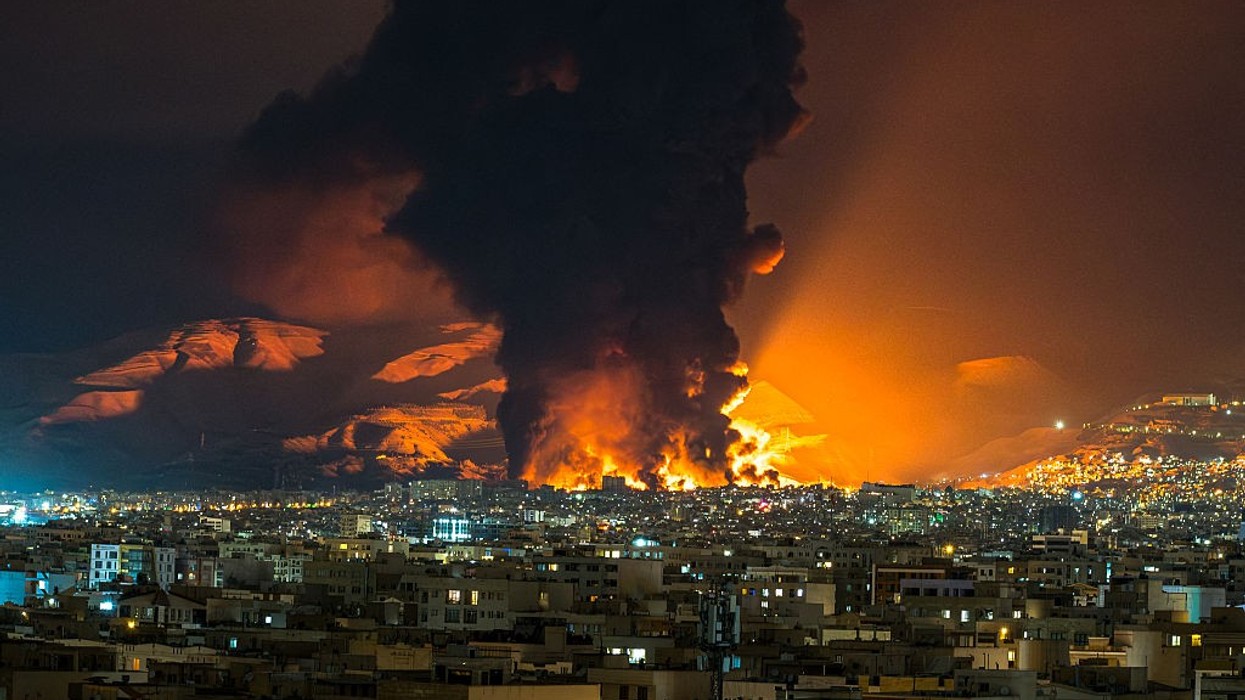
Since the conflict began in late February, Iran has reportedly attacked at least 16 ships in the Strait of Hormuz. Tehran has also warned that oil prices could rise sharply, possibly reaching $200 per barrel, if the situation escalates further.
A Thai ship heading toward India’s western port of Kandla was attacked in the strait on Wednesday, prompting criticism from New Delhi. India said it strongly opposes attacks on commercial shipping during the ongoing conflict.
With the security situation uncertain, India has also begun exploring alternative energy supplies, including increasing crude oil imports from Russia to reduce the risk of supply disruptions.