- Madhu Raju posted a dance video filmed at the World War II Memorial.
- The clip quickly went viral on TikTok and X, triggering public criticism.
- US park rules ban dancing and similar activities in restricted memorial areas.
- Raju later deleted his social media accounts after the backlash.
- Violating park rules could lead to fines under federal regulations.
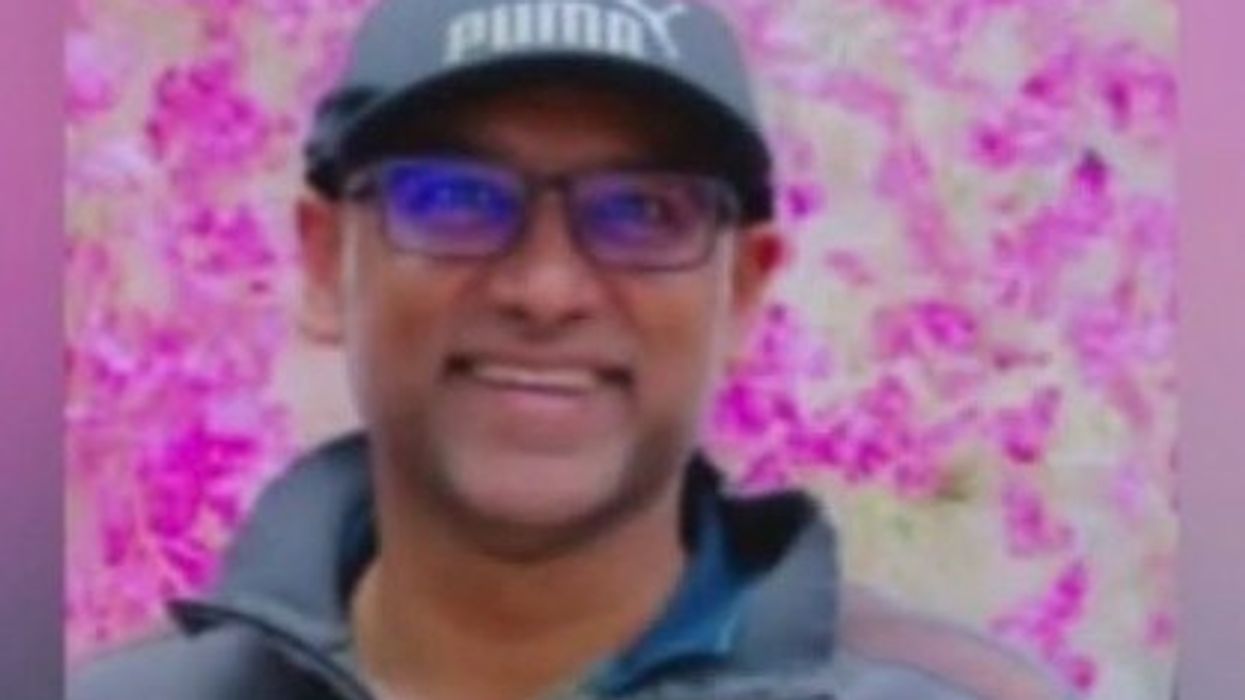
A viral dance video recorded at the World War II Memorial in Washington, D.C. has sparked widespread debate online. The clip showed Madhu Raju, an Indian-origin cloud network security engineer, performing a choreographed routine with a partner in the memorial plaza.
The dance followed the popular “Don’t Rush Challenge,” a social media trend that has circulated widely on TikTok. In the video, the pair performed energetic dance moves at the historic site while the camera recorded their routine.
The clip began spreading quickly after it was reposted on X, where users criticized the performance and said it was disrespectful to the memorial.
Why the video angered many viewers
The World War II Memorial honors more than 16 million Americans who served in the war and over 400,000 who died during the conflict. Because of its significance, the site is meant to remain a quiet place for remembrance.
Many viewers said that dancing at the memorial showed a lack of respect for the soldiers and their families. The backlash grew rapidly online, with some people demanding accountability and even calling for Raju to be fired.
Reports say Raju worked as a cloud network security engineer at Palo Alto Networks starting in June 2025. As the controversy spread, he reportedly deleted several online profiles, including his accounts on TikTok, Instagram, and LinkedIn.
Pages connected to his Dallas-based dance studio were also removed from social media.
National park rules prohibit dancing
The controversy also highlighted strict rules enforced by the National Park Service for memorial sites across the National Mall.
According to the park’s Superintendent’s Compendium, several areas are classified as “Memorial Restricted Areas.” In these zones, activities such as dancing, jogging, exercising, singing, or climbing are not allowed unless a special permit is issued.
These rules are designed to preserve the solemn atmosphere of memorials, protect historic resources, and ensure visitor safety.
At the World War II Memorial, the restricted areas include locations such as the Freedom Wall Plaza, the Field of Gold Stars, and the Circle of Remembrance.
Violating these rules can result in penalties under federal regulation 36 CFR 1.3, which may include fines or other legal consequences.
Other memorials with similar restrictions
The no-dancing rule also applies to many other sites within the National Mall and Memorial Parks system. These include the Lincoln Memorial, Jefferson Memorial, Martin Luther King Jr. Memorial, Vietnam Veterans Memorial, Korean War Veterans Memorial, and the World War I Memorial.
Permits can sometimes be requested for special events, but they are rarely approved for activities that could disrupt the memorial’s respectful environment.
Other notable examples
A Massachusetts woman posted a photo on Facebook mocking a "Silence and Respect" sign at the Tomb of the Unknowns in Arlington National Cemetery by flipping it off and yelling in 2012. It sparked massive outrage, a "Fire Lindsey Stone" page, a job suspension, and her public apology after unpaid leave.
Trump shared a TikTok video in 2024 that was filmed without a permit in Section 60 of Arlington Cemetery, showing wreath-laying and Gold Star families, violating federal rules against political use. It drew veteran criticism for politicizing graves, with staff confronting cemetery officials.
Many videos surfaced of Americans dancing at the same WWII Memorial, shared to counter the Indian couple backlash, but without reports of equivalent outrage, job loss demands, or deportation calls, prompting hypocrisy accusations.
Debate over social media behavior
The incident has also sparked broader discussions about social media culture and public behavior at historic sites. Some people argued that influencers should be more aware of the meaning of the locations where they create content.
Others said the situation shows how quickly online criticism can escalate once a video goes viral.
As the debate continues, the case has become another example of how social media actions can lead to real-world consequences when they involve sensitive public spaces.