INDIA'S first-ever mosque and the oldest in the sub-continent is all set to welcome back devotees and history-lovers. The ‘Cheraman Juma Masjid’ in the southern Indian state of Kerala, which dates back to 629 AD, has been restored after a painstaking renovation and conservation process that spread over almost 30 months under the state government-run Muziris Heritage Project (MHP).
The mosque, which is located in Kodungallur in Thrissur district of central Kerala, was recreated in tune with its original character and aesthetics at a cost of Rs 1.14 crore, P M Noushad, managing director of MHP, said.
Besides the renovation and conservation work which started in May 2019, a two-storey Islamic Heritage Museum was also constructed in the mosque campus at almost Rs one crore, he said, adding that its internal refurbishment is currently underway.
After submitting the letter of completion to the government, the MHP authorities are now awaiting Kerala chief minister Pinarayi Vijayan’s date to reopen the oldest mosque for visitors.
“It is expected to happen any day... We are waiting for a convenient day of the Chief Minister for the inaugural function. If the COVID-19 situation is completely under control, it may happen within the next two weeks,” Noushad told the Press Trust of India.
According to Oral tradition, Cheraman Perumal, as the king, went to Arabia where he met the Prophet (PBUH) and embraced Islam in the early 7th century. From there, he had sent letters, along with Malik Ibn Dinar, as a Persian scholar who travelled to India. Dinar is believed to have built the masjid in 629 AD, five years after the king's death.











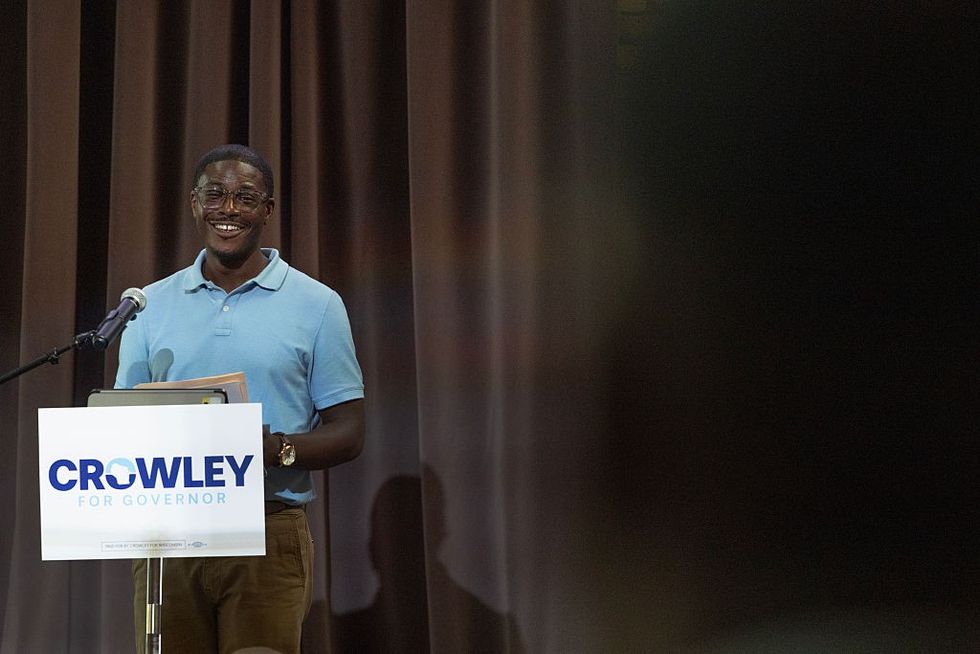 Democratic Wisconsin gubernatorial candidate David Crowley speaks to supporters at a campaign rally on August 10, 2026 in Milwaukee, Wisconsin. Crowley is polling second behind front-runner Francesca Hong in the Democratic primary, which takes place tomorrow. Getty Images
 Wisconsin Democratic gubernatorial candidate Francesca Hong speaks to supporters during an election-night party on August 11, 2026 in Madison, Wisconsin. Recent polling had Hong with a substantial lead over her nearest Democratic rival David Crowley, but returns have shown a tight race throughout the evening with the two candidates trading slight leads.Getty Images
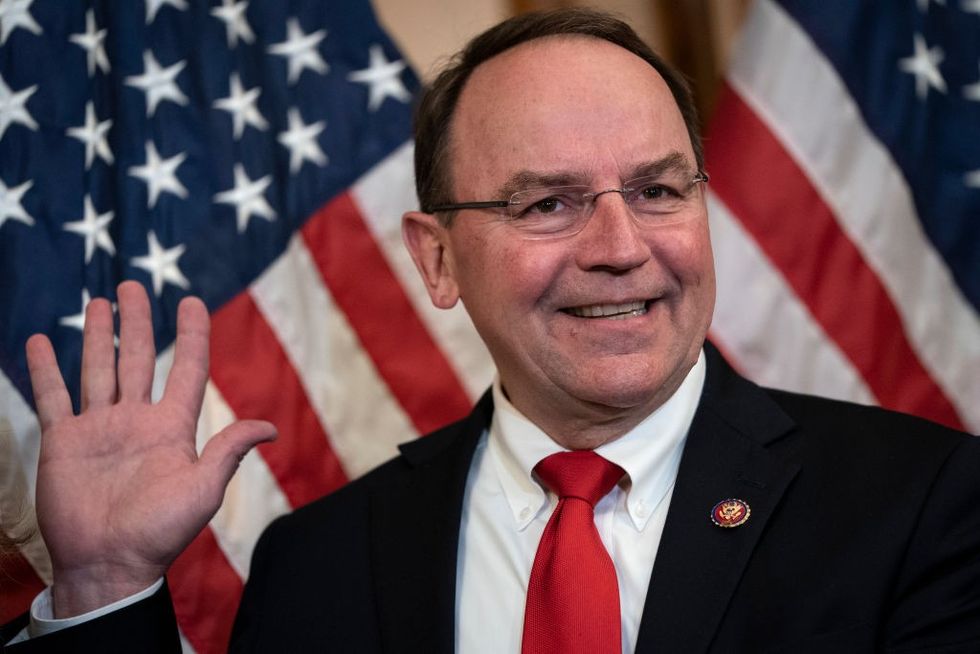 Rep. Tom Tiffany (R-WI) participates in a ceremonial swearing-in at the U.S. Capitol on May 19, 2020 in Washington, DC. Rep. Tom Tiffany (R-WI) and Rep. Mike Garcia (R-CA) were both officially sworn-in as new House members on Tuesday morning.Getty Images