
Highlights:
- India’s CBFC has blocked the film’s release.
- Officials reportedly cited concerns over India–Israel relations.
- The film tells the story of a Palestinian child killed in Gaza.
- It received a standing ovation at the Venice Film Festival.
- The distributor plans to appeal the decision.
India’s Central Board of Film Certification (CBFC) has blocked the theatrical release of the Oscar-nominated docudrama The Voice of Hind Rajab, reportedly citing concerns that the film could negatively affect diplomatic relations between India and Israel.
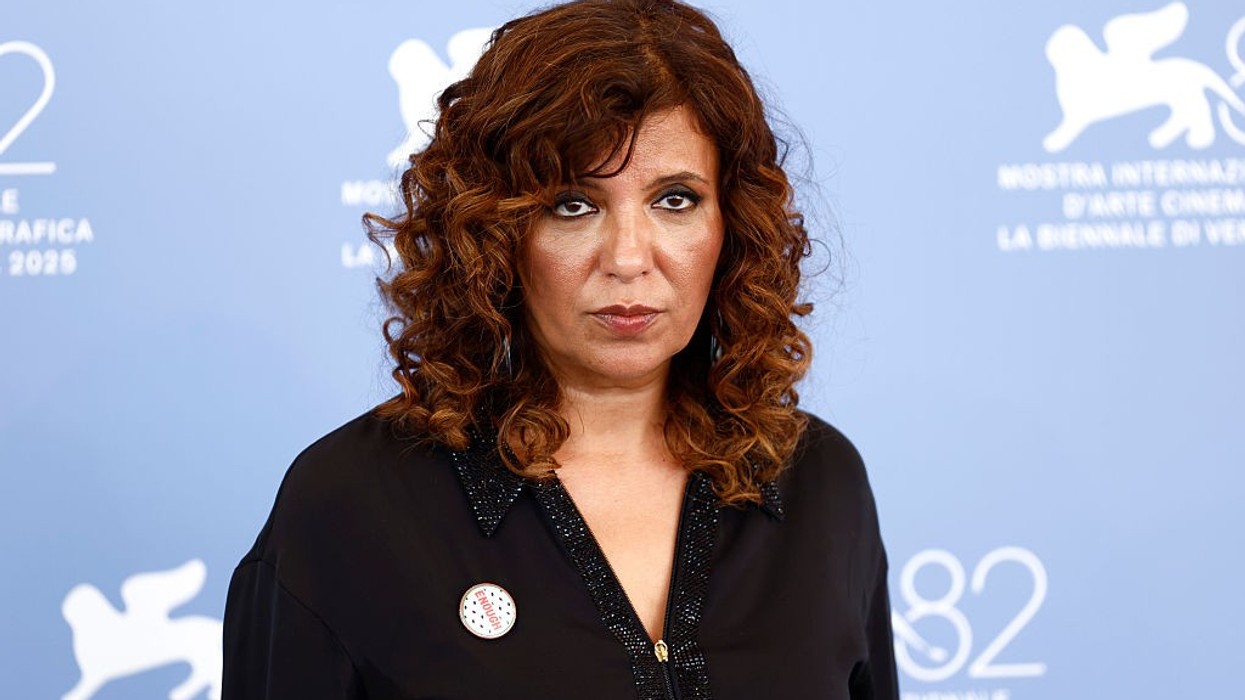
Directed by Tunisian filmmaker Kaouther Ben Hania, the film recounts the story of Hind Rajab, a five-year-old Palestinian girl who was killed in Gaza while waiting to be rescued. The narrative centers on the tragic circumstances surrounding her death and aims to highlight the human cost of the ongoing conflict in the region.
The film gained significant international attention after premiering at the Venice Film Festival in September 2025, where it received a 23-minute standing ovation. Its powerful storytelling and emotional impact have drawn both critical acclaim and political scrutiny.
According to reports, the film’s India-based distributor, Manoj Nandwana, submitted it for certification in February 2026, anticipating a theatrical release in March. However, the CBFC denied approval after reviewing the film. Nandwana stated that he was informed the film’s release could “break up the India–Israel relationship,” a justification that has since sparked controversy.
The timing of the decision has also drawn attention. The film was screened for the CBFC on February 27, just one day after Narendra Modi completed a state visit to Israel, where he met with Benjamin Netanyahu. During the visit, both leaders reaffirmed their countries’ strong diplomatic and strategic ties.
Nandwana noted that the ban did not come as a complete surprise, as the film had already faced restrictions at several film festivals across India, including events in Goa, Bengaluru, Pune, and Kerala. Despite these setbacks, his team has applied for a revision of the CBFC’s decision and hopes the film may still reach audiences in the country.
The decision has prompted criticism from members of the film’s production team. Badie Ali, co-founder of Watermelon Pictures, questioned the rationale behind the censorship, arguing that audiences should be allowed to engage with real-life stories. Similarly, Ben Hania responded publicly, raising concerns about whether artistic expression is being limited due to political sensitivities.
The film’s supporters argue that it sheds light on the realities of conflict and gives voice to victims whose stories often go unheard. Meanwhile, critics of the ban see it as part of a broader pattern of restricting narratives related to sensitive geopolitical issues.
The CBFC has not issued an official public statement explaining its decision. As discussions continue, the case highlights the ongoing tension between artistic freedom, political considerations, and the global circulation of films addressing complex international conflicts.