

In Kal Ho Naa Ho, Saif Ali Khan’s character Rohit comes from a loud, loving Gujarati family, complete with an over-the-top father figure often remembered as 'Jignesh Patel.' The portrayal leans into humor, accent, food obsessions, and relentless business instincts. It felt like an exaggeration, designed for laughs.
But across America, thousands of real-life 'Jignesh Patels' were living a version of that story, minus the caricature. They were immigrants with sharp instincts, relentless work ethics, and a willingness to take risks that others avoided. And over time, they built something far bigger than a stereotype: they built an economic force.
A journey that began with risk
The Patel migration story took shape after the Immigration and Nationality Act of 1965, which opened the doors for non-European immigrants. While the first wave of Indians to arrive in the United States was largely professionals, a second wave soon followed—entrepreneurs from Gujarat’s Patidar community, particularly the Kadva and Leva subgroups.
Many of them came from small towns and farming backgrounds, not corporate environments. They arrived with limited capital but strong family networks that acted as informal support systems. One relative would establish a foothold, then help others follow. This chain migration became the backbone of their success.
Motels: The entry point to an empire
The now-famous association between Patels and motels began in the 1970s, when declining roadside properties became available at low prices. Where others saw failing businesses, the Patel families saw opportunity. They purchased these motels, often pooling money from extended family, and ran them with minimal staff, because the staff was the family.
They lived on-site, worked long hours, and reinvested nearly every dollar back into the business. Despite facing discrimination and financial barriers, they persisted. Over time, their presence grew so dominant that the term 'Patel motel' entered popular vocabulary.
Today, Indian Americans, most of them Patels, own roughly 50 to 60 per cent of hotels in the United States. Their influence is especially strong in the budget motel segment, where their ownership has historically been even higher. Organizations like the Asian American Hotel Owners Association, which represents tens of thousands of hotels, further consolidated their presence and influence in the industry.
Expanding beyond hospitality
While motels were the starting point, they were never the end goal. As wealth accumulated and experience grew, Patel entrepreneurs began expanding into other sectors. Many transitioned from independently owned motels into franchises with global hospitality giants like Hilton and Marriott International, moving from small operations to large-scale management.
At the same time, diversification became a defining strategy. Patel families invested in gas stations, convenience stores, and fast-food franchises, embedding themselves into the fabric of suburban and small-town America. These businesses provided steady income and reduced reliance on a single industry.
Financial independence also became a priority. Facing barriers from traditional lenders in their early years, members of the community established their own banks and financial networks, which helped fund new ventures and support incoming entrepreneurs. This created a self-sustaining economic ecosystem where success could be replicated across generations.
Culture, community, and continuity
Even as their economic footprint expanded, Patels remained deeply connected to their cultural roots. Communities flourished in places like Edison, New Jersey, where Gujarati language, food, and traditions continue to thrive. Temples such as the BAPS Swaminarayan Akshardham serve not just as religious spaces but as cultural hubs.
Food, in particular, remains a powerful symbol of identity. Traditional dishes like thepla, dhokla, and undhiyu continue to be staples in homes and community gatherings, even as younger generations balance these traditions with American lifestyles.
A new generation, a broader vision
Today, the Patel story is no longer confined to motels or even entrepreneurship alone. The second and third generations are entering fields like technology, medicine, finance, and public service. They are building startups, leading corporations, and shaping policy, all while carrying forward the values of hard work and community support.
The journey from modest beginnings to multi-industry success reflects not just economic mobility, but evolution. What started as a survival strategy has become a model of collective advancement.
Beyond the stereotype
The image of 'Jignesh Patel' may still draw a smile, but it no longer defines the narrative. The real story is far richer and far more complex. It is about a community that transformed adversity into opportunity, leveraged relationships into capital, and turned small businesses into a nationwide presence.
From theplas packed into suitcases to thriving enterprises across Texas and beyond, the Patel community’s journey is not just an immigrant success story, it is a blueprint for resilience, adaptation, and enduring ambition.



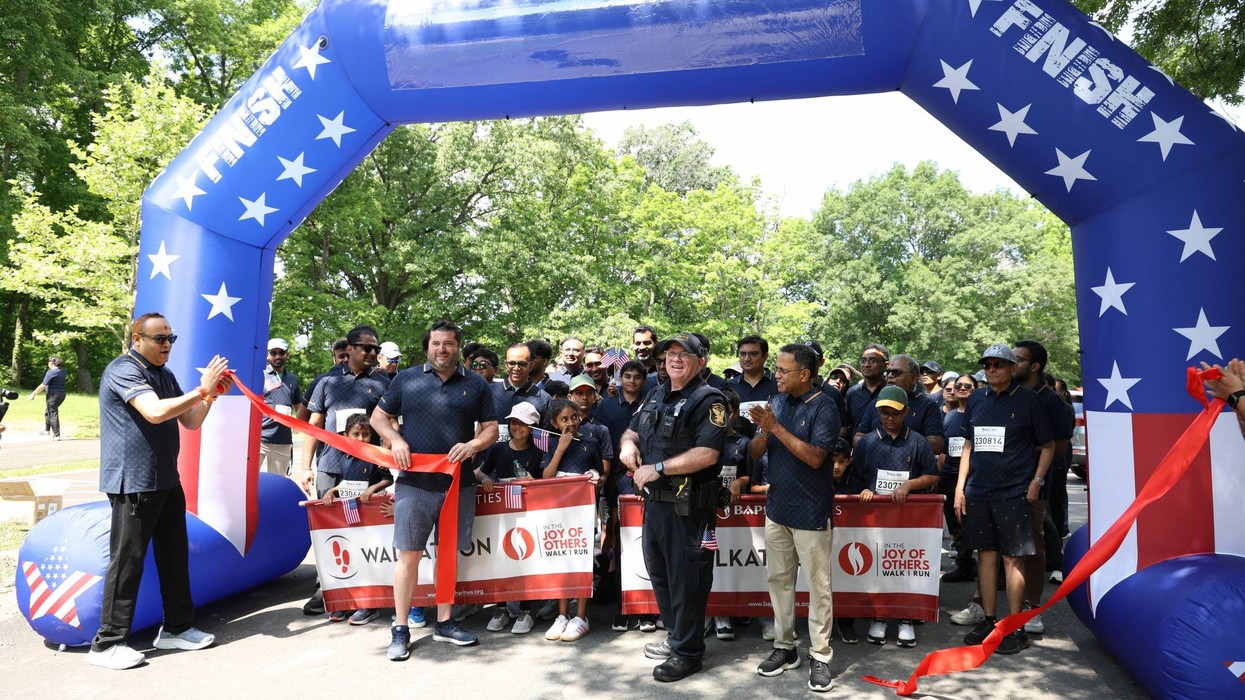
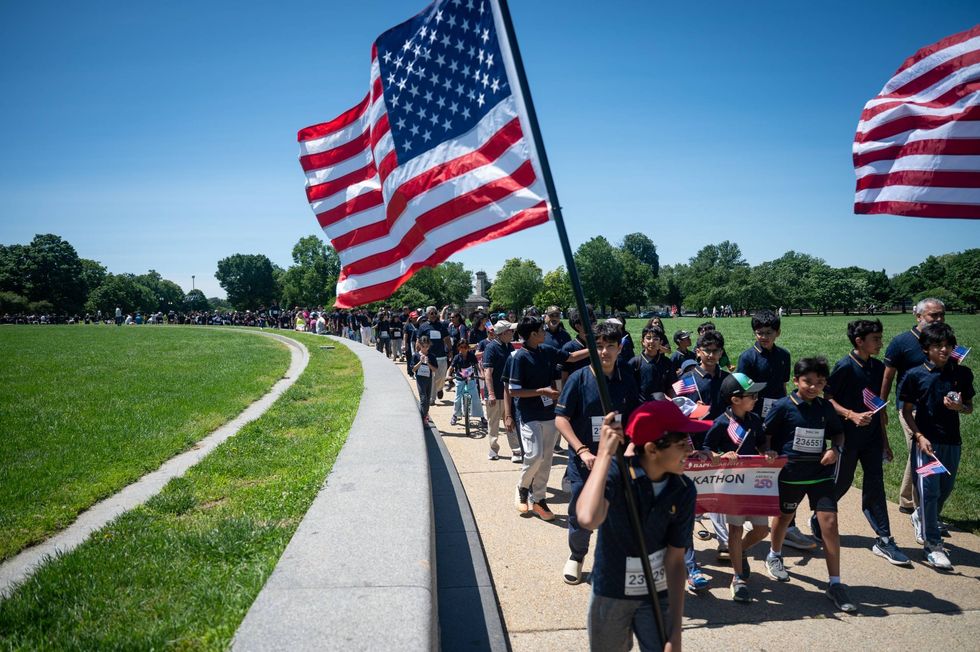 BAPS charities walk-run draws thousandsbaps.app.box.com




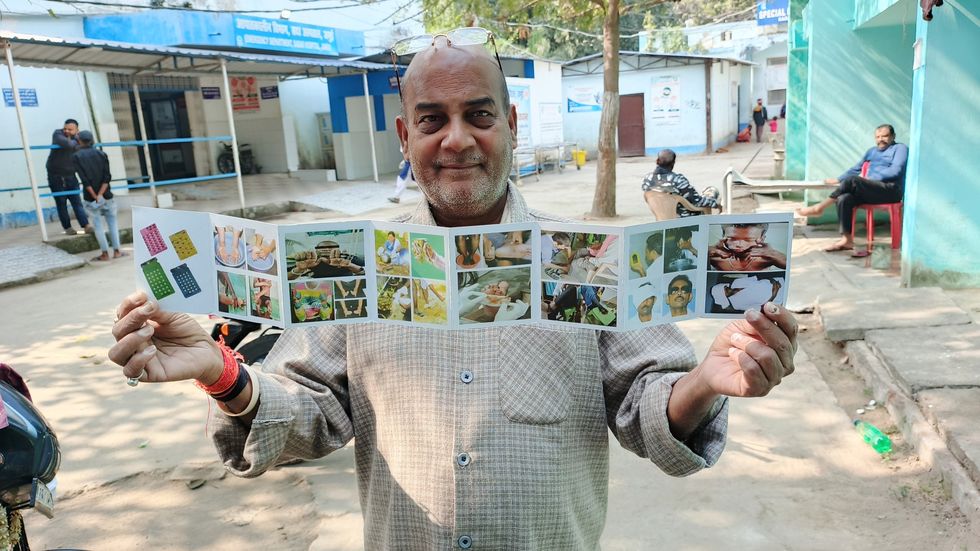 Lepra Society’s State Coordinator, Rajni Kant Singh holds a health card showing leprosy symptomsLepra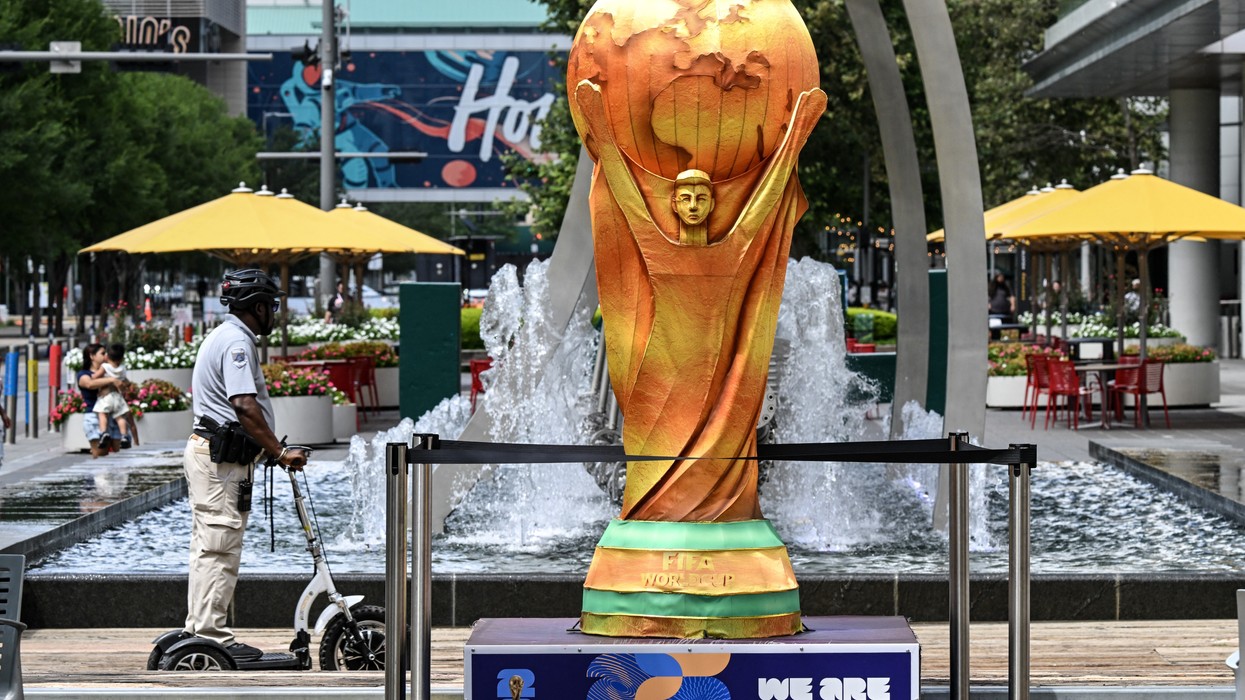
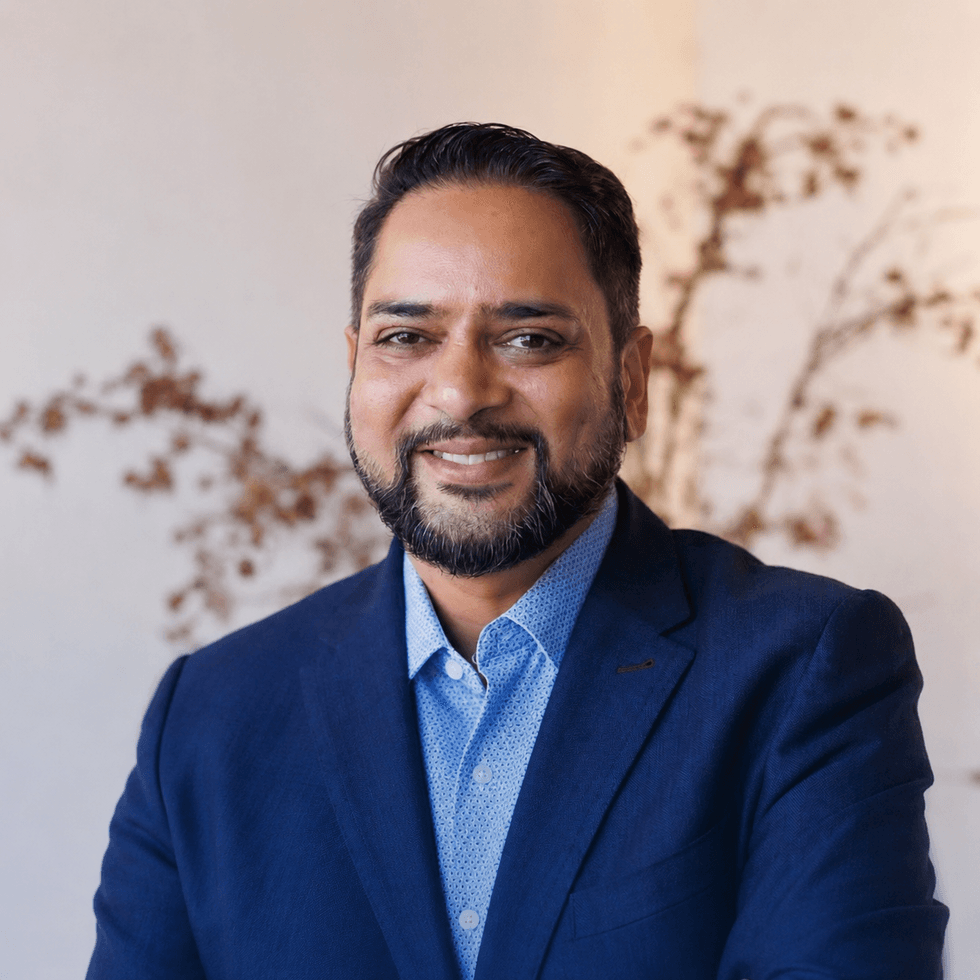 Nilesh Patel.
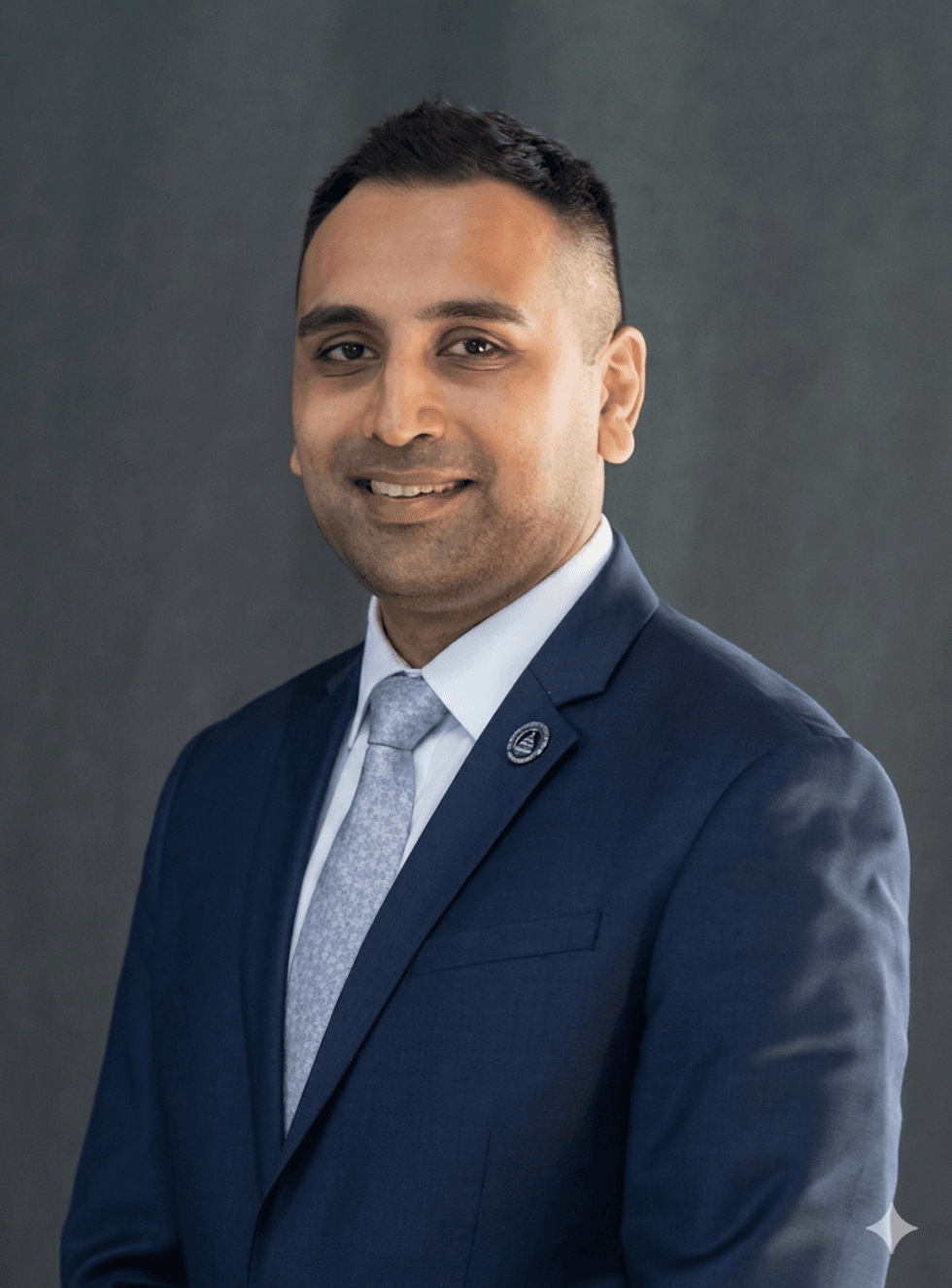 Bhavik Patel.
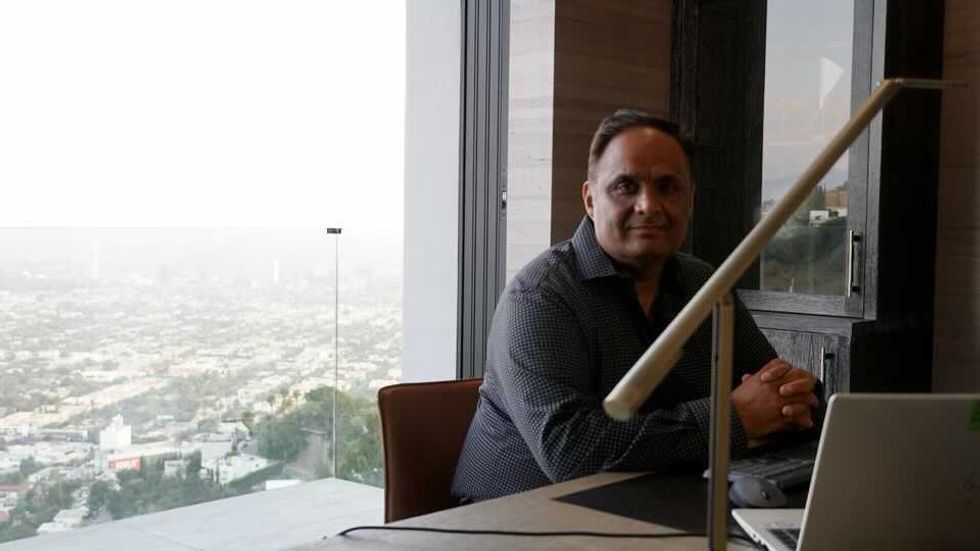 Sunil Tolani.
 The World Cup is expected to bring millions of visitors to North America over the next five weeksGetty Images
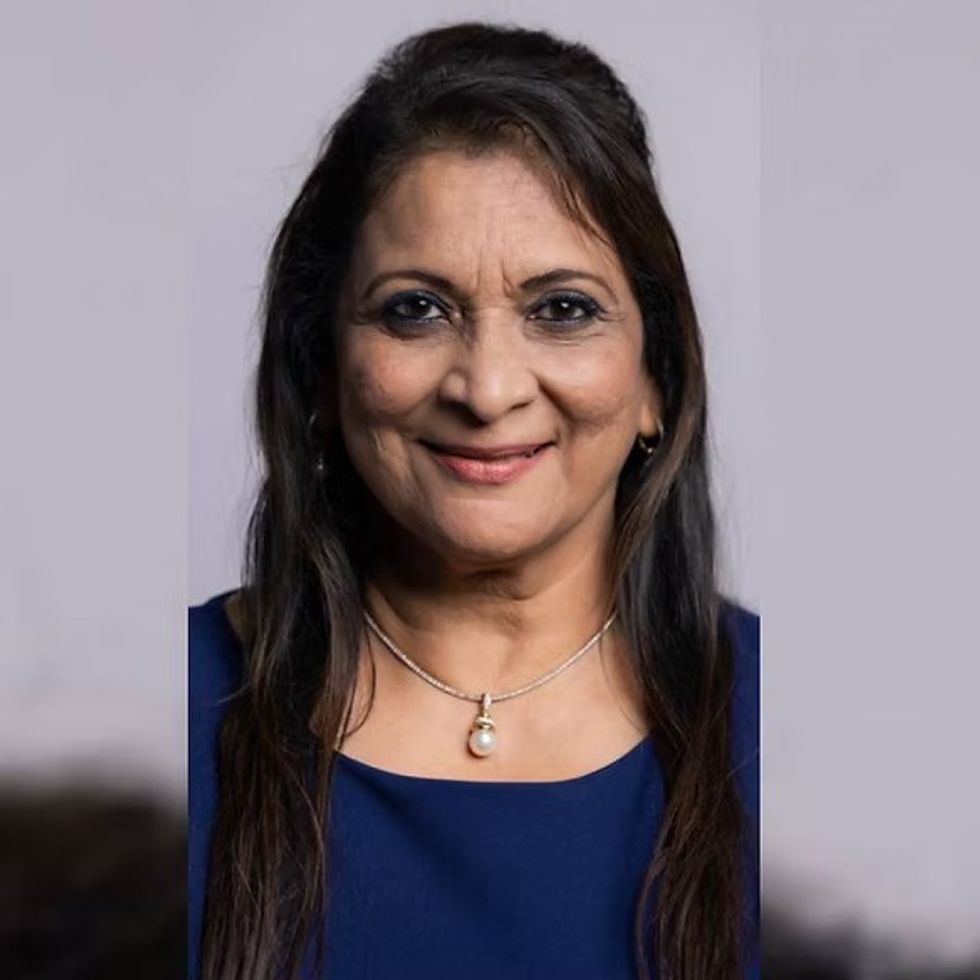 Mina Dahya.
 Kalibri said New York and San Francisco are outperforming smaller host markets..
 In this image received on May 27, 2026, President Droupadi Murmu during the seventh convocation ceremony of Sikkim University, in Gangtok, Sikkim. Sikkim Chief Minister Prem Singh Tamang is also seen.PTI
 Tibetan Buddhist monks with traditional masks during annual religious ceremony in Rumtek Monastery (Kagyu order) near Gangtok, people watching; North East India.iStock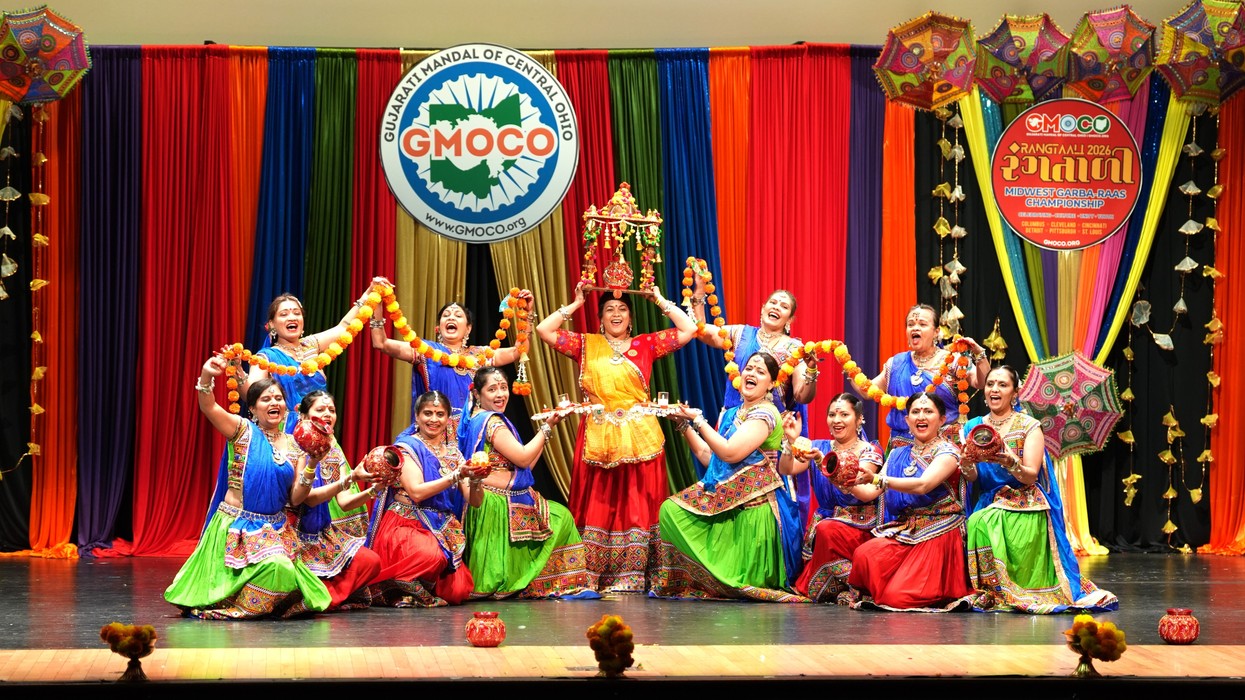
 Rangtaali 2026, the Midwest Garba-Raas ChampionshipGoogle Drive
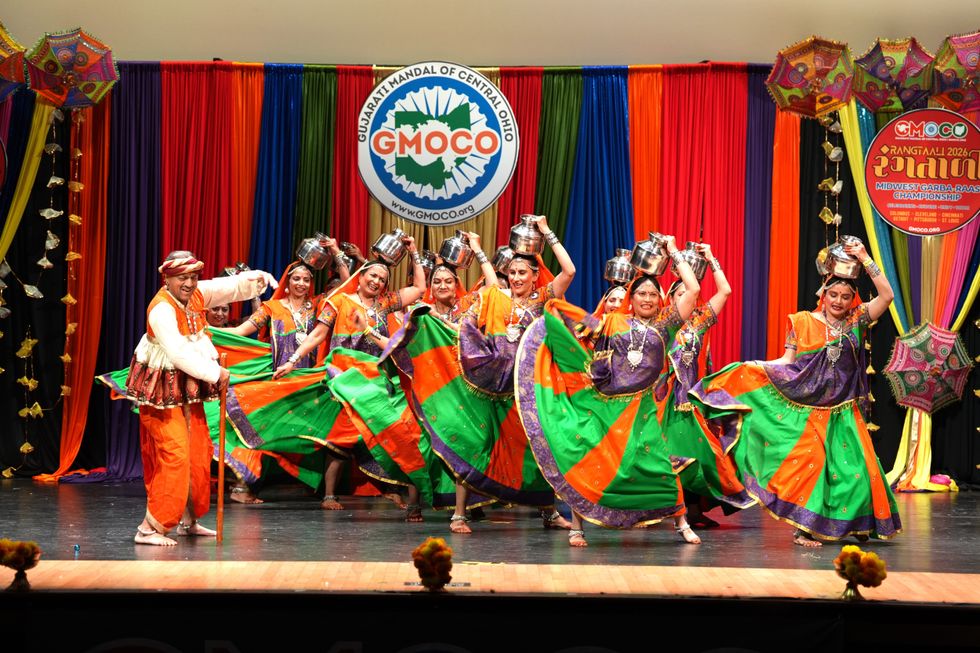 Rangtaali 2026, the Midwest Garba-Raas ChampionshipGoogle Drive