
Highlights:
- JD Vance to lead US-Iran talks in Pakistan after ceasefire
- US claims "victory" and success of Operation Epic Fury
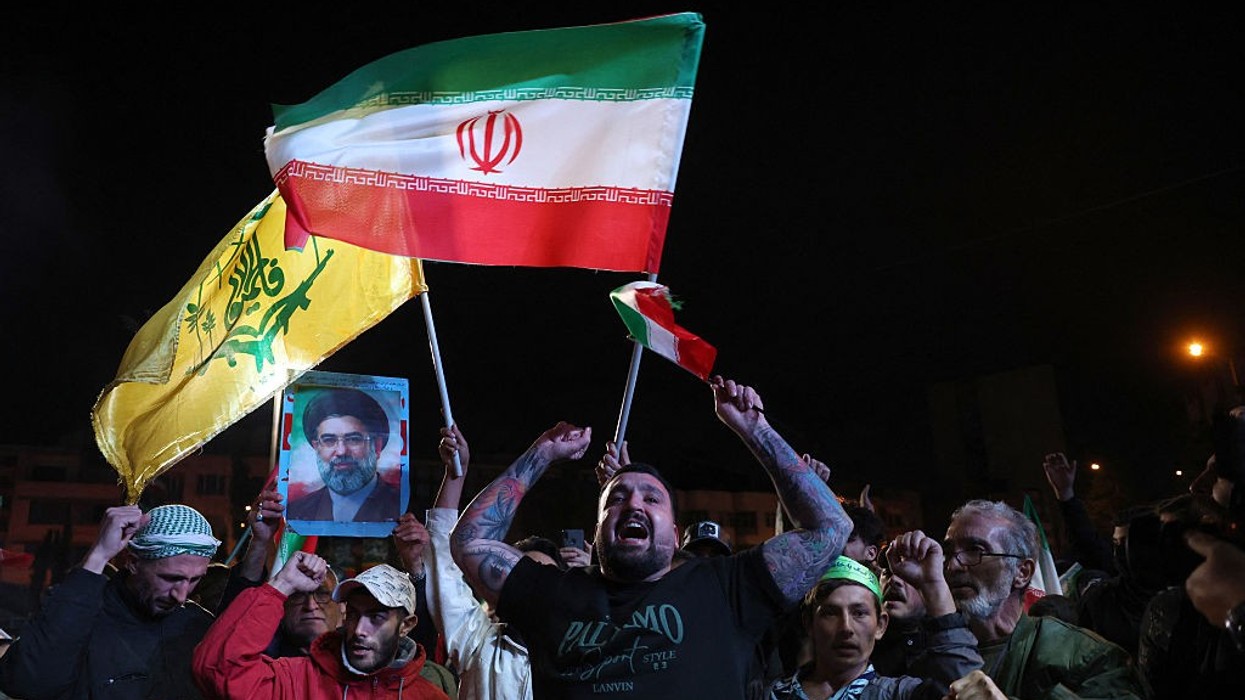
- Iran warns ships in Strait of Hormuz despite reopening claims
- Peace proposal details remain unclear and disputed
- Donald Trump criticizes NATO and considers exit
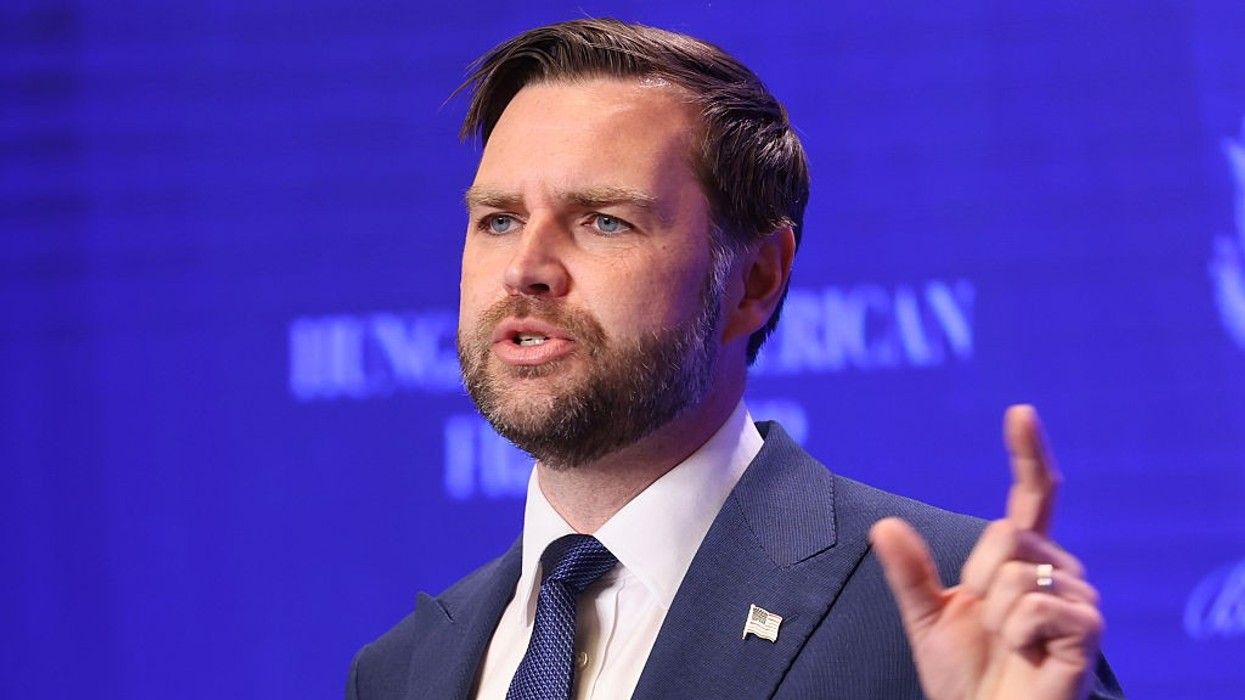
A day after a two-week ceasefire was announced, Pakistan's capital, Islamabad, was announced as the location for mediation. Vice president JD Vance has been seleted for leading the delegation in talks with Iran in Pakistan starting Saturday (11), according to White House Press Secretary Karoline Leavitt.
In a briefing, Leavitt said the ceasefire between the US and Iran has created an "opening" that could lead to long-term peace in the region.
However, details about the peace proposals remain unclear, as does the current state of shipping through the Strait of Hormuz.
Earlier, Iranian forces warned ships that they would be "destroyed" if they tried to pass without permission.
Leavitt said Iran’s public statements are "different privately".
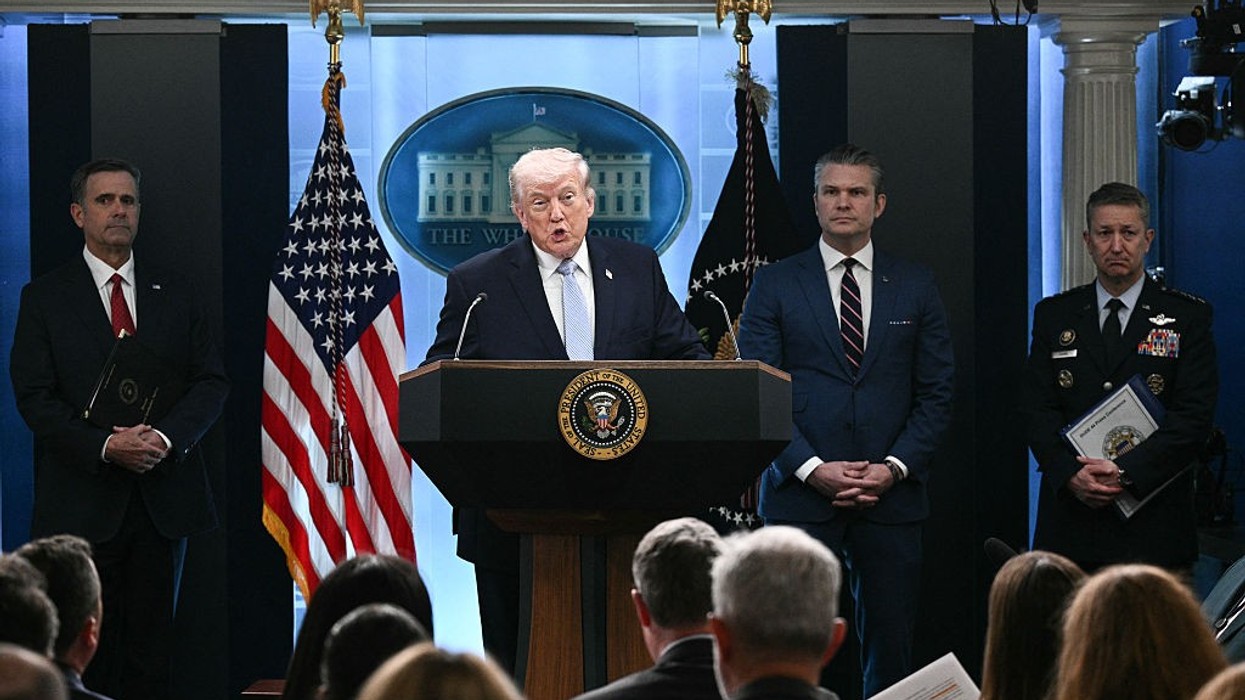
During the briefing, she declared an American 'victory' and said the main goals of Operation Epic Fury, including destroying Iran’s navy, drone, and ballistic missile programs, were achieved.
With the ceasefire in place, Vance, along with special envoy Steve Witkoff and Jared Kushner, will travel to Pakistan for in-person talks with Iranian officials.
The details of those talks and proposals remain unclear.
Leavitt dismissed reports of a 10-point Iranian proposal as inaccurate, saying an initial "fundamentally unserious" proposal was rejected. She added Iran submitted a revised proposal after Donald Trump warned that a "whole civilization will die" if no deal was reached.
"The idea that president Trump would ever accept an Iranian wish list as a deal is completely absurd," she said.
Leavitt also said Iran agreed to reopen the Strait of Hormuz, despite earlier threats.
When asked about the difference between US and Iranian statements, she said Trump will hold Iran "accountable" and expects the strait to reopen "quickly and safely".
The ceasefire was announced on Tuesday (7), just hours after Trump posted on Truth Social that Iran’s 'civilization will die' unless it agreed to end the war and reopen the strait.
The statement drew criticism across the US political spectrum and raised concerns about the humanitarian impact of further strikes on Iranian infrastructure.
Leavitt defended Trump’s comments, saying he holds the "moral high ground" over Iran’s "rogue regime".
"His very tough rhetoric and his tough negotiating style are what have led to the result you are all witnessing today," she said.
Trump is scheduled to meet with NATO Secretary-General Mark Rutte later Wednesday.
Leavitt said it would be a "very frank and candid conversation" amid rising tensions between the alliance and the US.
Trump has criticized NATO, saying it did not support the US during the Iran conflict or help reopen the Strait of Hormuz.
"NATO was tested and they failed," Leavitt said, quoting Trump.
She added Trump has "discussed" the possibility of leaving NATO but gave no details.
Trump has also said some NATO allies do not want to be involved in the war, which many see as unnecessary.
His relationship with NATO had already been strained, partly due to disagreements over Greenland, which Trump has expressed interest in despite opposition from European allies.