Highlights:
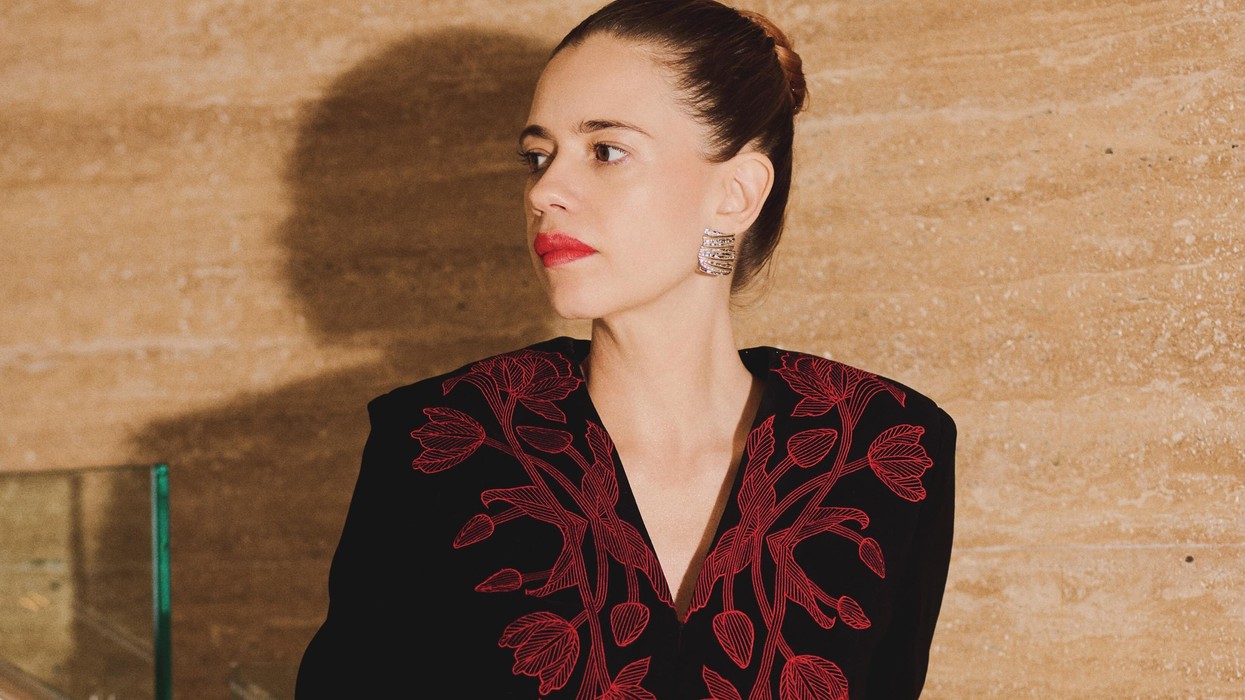
Actor Kalki Koechlin has spoken candidly about the subtle sexism and ageism that women continue to face in the film industry. During a conversation with YouTuber and comedian Lilly Singh, she shared personal experiences of unsolicited comments about her appearance, unequal pay, and the importance of women supporting one another.
One incident that stayed with Kalki involved a lunch meeting with a film producer. She recalled that the producer was speaking about his former partner, an actor, and criticizing her appearance after cosmetic procedures.
"I remember sitting with a producer and having lunch and he was talking about his ex...And he was saying she did too much Botox...and it looked really bad," Kalki said.
Moments later, the producer turned the conversation toward Kalki herself.
"All you need is a little filler for your laughter lines."
The remark left the actor furious, but instead of confronting him angrily, she chose humor.
"And I wanted to stab him with my fork. And I just, instead, I just swallowed a piece of my food and I looked at him..."
Her response immediately ended the conversation.
"Well, I better stop laughing so much then."
Kalki admitted that although she appeared calm on the outside, she was deeply upset by the comment.
"So I remember seething from inside, but trying to make a joke out of it. But also looking at him sternly. And he stopped after that and didn't talk about it. But it's just those ways that people have. It's just these subtle ways of people just slipping in comments like this."
She later incorporated the incident into her stage performance I'm Okay, which explores motherhood, postpartum experiences, and the everyday pressures women face.
"I included that story in the performance and it resonates a lot with women. They know exactly what I’m talking about," she said.
When Lilly Singh asked whether she regretted not confronting the producer more directly, Kalki explained that not every situation allows for an immediate response.
"Forget about work. We have people in our family that we disagree with politically. We have to have dinner with them. We have to hear them say something that maybe we don’t agree with. And we swallow our food and we go on because you have to pick and choose the battles."
She added that while some conversations can happen later in private, there are moments when speaking up immediately is simply not possible.
"There are places where you can let that out. And there are places where now is not the time. Maybe in a private situation, you could speak to that uncle and be like, 'Hey, I was a bit disturbed when you said this about women or about politics or whatever.' But there are also situations where you can’t."
Beyond beauty standards, Kalki also highlighted the gender pay gap in Bollywood. She said it can be discouraging to discover that male actors with similar experience receive significantly higher pay.
"Of course, with the pay, you find out you’ve been in the industry as long as your colleague, a male colleague, but they’re getting paid so much more and you’ve been paid the same amount for the last how many ever years."
She credited women in the industry for creating strong support networks by openly discussing salaries, workplace culture, and warning one another about unsafe environments.
"I have a very strong girl community and we’re a strong group. We speak about everything there and we share what productions are doing, how much they’re charging, what they’re doing."
Kalki also challenged the idea that such conversations are merely gossip.
"'Be careful of this one. He’s a sleaze.' So that also is another way that women have always had. I think, you know, we call it gossip, but it’s actually a kind of solidarity. It’s community. It’s having each other’s back and being aware."
For Kalki, these shared experiences help women make informed decisions, prepare for difficult situations, and push back against the subtle sexism and ageism that continue to shape the entertainment industry.


 Instagram/@aliabhatt