

COUNTRIES from India to Kazakhstan are far more dependent on melting glaciers for water than previously thought, particularly in summer droughts, scientists said on Wednesday (29), warning that rising temperatures were threatening supply.
Each summer, the 95,000 glaciers in the mountain region spanning from Kyrgyzstan's Alai range to the Himalayas produce enough meltwater to support 221 million people, researchers at the British Antarctic Survey (BAS) calculated.
That provides a crucial buffer against droughts, when rains fail and reserves are strained, according to the study, published in the journal Nature.
But such protection is under threat as ice caps shrink under rising global temperatures, threatening the region, said Hamish Pritchard, the study's author.
"If we lose the glaciers then we lose that protection from drought," said Hamish Pritchard, the study's author.
At least a third of the ice in the Himalayas and the Hindu Kush will thaw by 2100, even if governments take tough action to limit global warming under the 2015 Paris climate agreement, a separate study found in February.
When drought hits, ice melt from those mountains - often referred to as the "third pole" - can account for up to 100 per cent of the water in some of Asia's main rivers, Pritchard said.
This waterflow is expected to grow in the coming years as more of the ice melts, but will then start to decline towards the end of the century as the glaciers retreat - something that would exacerbate droughts, he said.
Droughts are already affecting people's access to drinking water, food production and electricity generation across the region, said Tianyi Luo, senior manager for water risks at the World Resources Institute, a think tank.
"Water demand is also expected to grow significantly over the coming decades ... due to growing population and food and energy demand," he said.
"If the demand is going up but supply is going down, already stressed water resources is going to be even more scarce."
Pritchard said effects could be particularly severe in drought-prone regions with arid summers such as the Aral basin in Central Asia, potentially forcing people to migrate or straining relations between countries that share a river.
"As the climate crisis increases pressure on already scarce water supplies, the impacts will be felt most severely by those with least access to clean water, threatening their health and livelihoods," said Jonathan Farr, policy analyst at the charity WaterAid.
"It is the poorest communities who are paying the price for the world's failure to act."




 A 1996 photo of rapper Tupac Shakur (L) and Marion "Suge" Knight is shown on screens during closing arguments in the Duane Davis murder trial, related to the 1996 killing of rapper Tupac Shakur, at Clark County District Court at the Regional Justice Center in Las Vegas, Nevada, on August 31, 2026. Getty Images





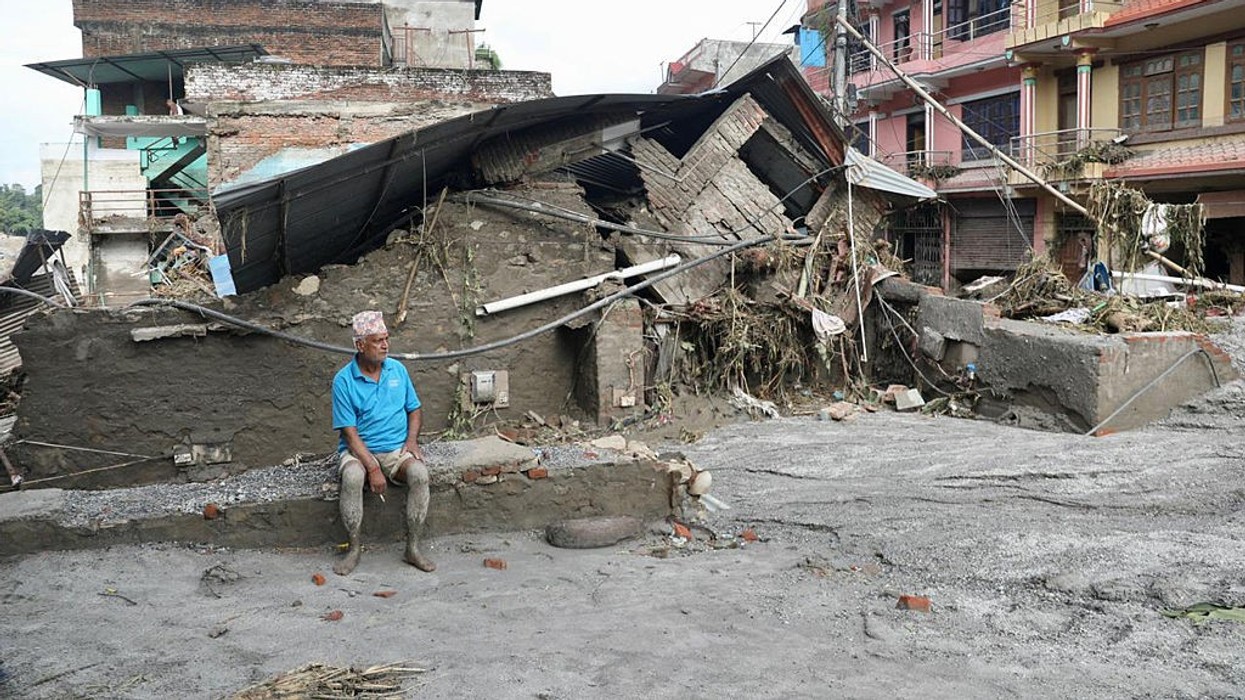
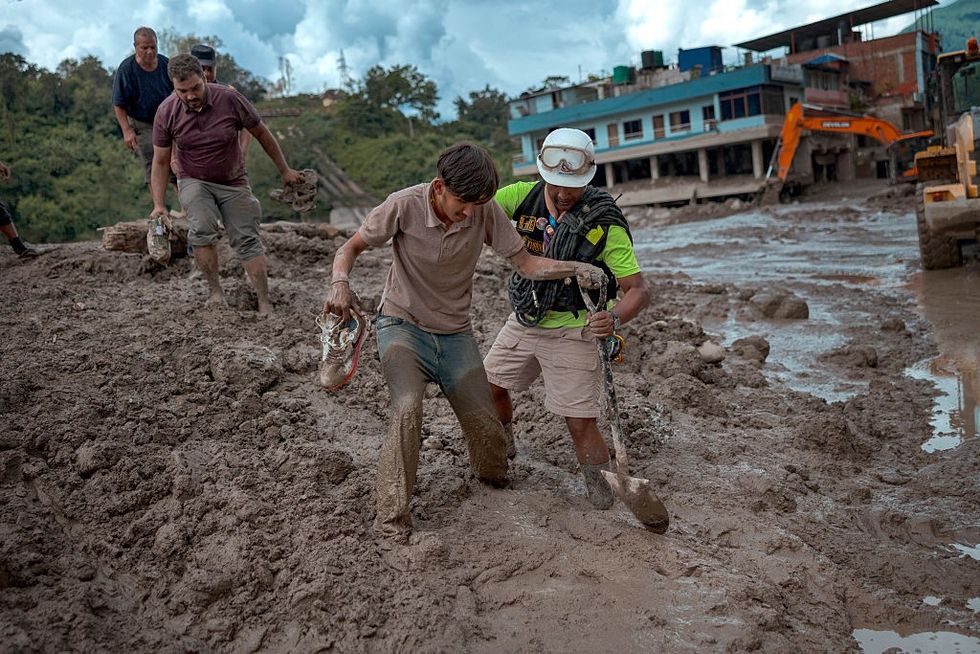 A rescuer assists a resident through heavy mud following flash floods on August 27, 2026 in Trishuli, Nepal. A sudden flood swept through the Bhote Koshi River basin in northern Rasuwa on August 26, damaging settlements, roads and energy infrastructure as rescue teams searched for residents and foreign travellers reported out of contact. Hundreds were reported missing, as the death toll started to climb.Getty Images
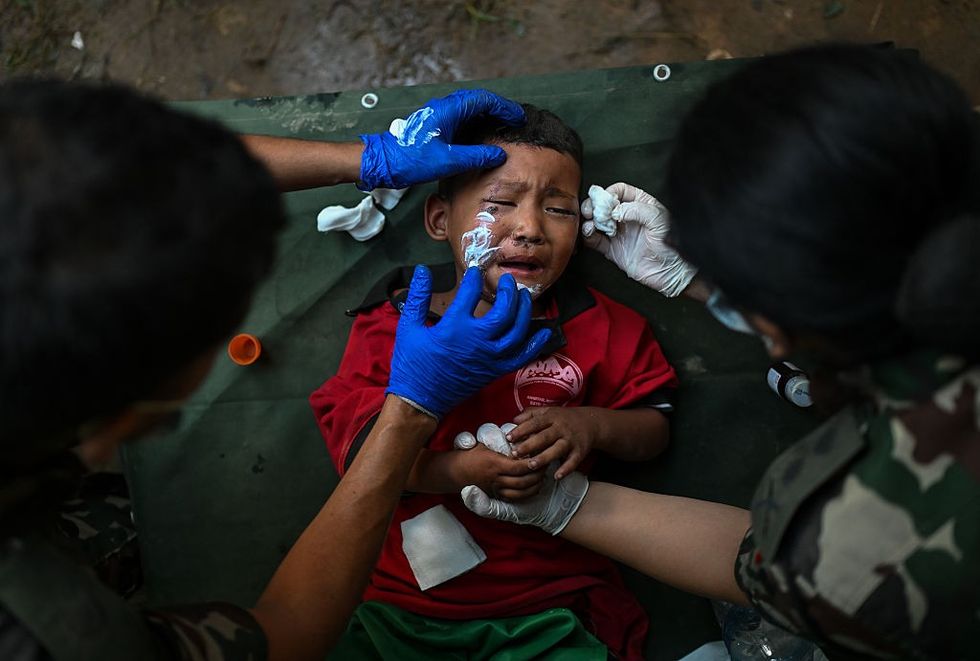 Rescue personnel provide medical treatment to a child at an army rescue camp in Trishuli Batar, Nepal, on August 27, 2026. A sudden flood swept through the Bhote Koshi River basin in northern Rasuwa on August 26, damaging settlements, roads and energy infrastructure, as rescue teams searched for residents and foreign travellers reported out of contact. Hundreds were reported missing as the death toll began to climb. Getty Ima
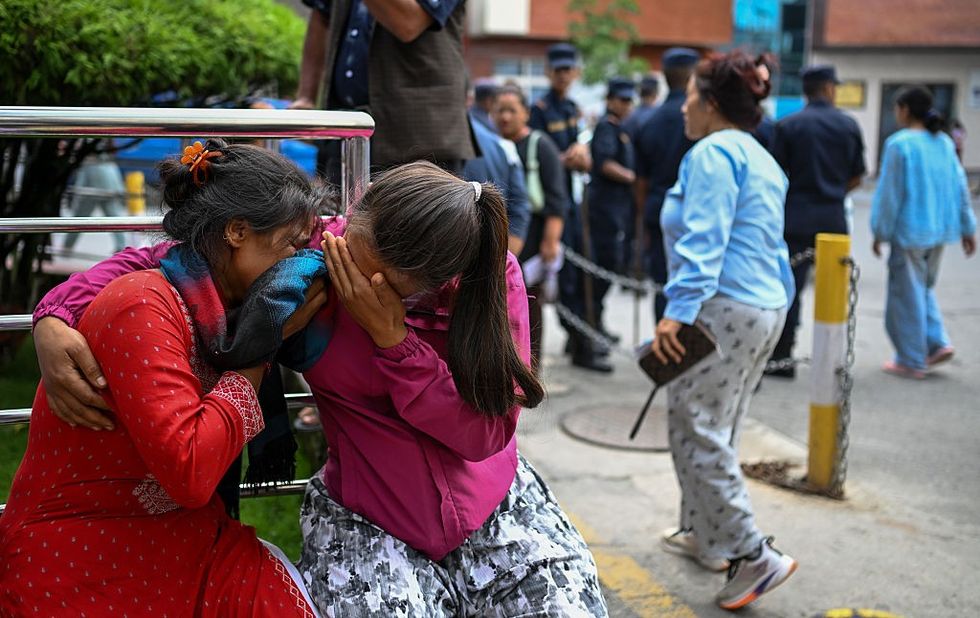 Family members of missing flood victims react at the emergency ward of the Maharajgunj Medical Campus, part of the Tribhuvan University Teaching Hospital, on August 28, 2026 in Kathmandu, Nepal. Authorities said the flash floods were triggered after a mass of ice, mud and rock collapsed into a Himalayan river near the Nepal-China border, leaving hundreds dead or missing and causing widespread damage in affected districts. Authorities continued the gruelling search for victims, many buried under metres of mud, as both China and Nepal issued fresh flooding alerts.Getty Images