

INDIAN prime minister Narendra Modi on Friday (12) started a special religious practice in the run-up to the Ram Mandir consecration ceremony in the northern temple town of Ayodhya in Uttar Pradesh on January 22. He will inaugurate the temple in what is being projected as a mega show.
In a post on X, the prime minister, who was on a visit to the western state of Maharashtra, said, “Only 11 days are left for the consecration of Ramlala in Ayodhya. I am fortunate that I will also be a witness to this auspicious occasion. The Lord has made me an instrument to represent all the people of India during the consecration."
“Keeping this in mind, I am starting a special ritual of 11 days from today. I am seeking blessings from all the people. At this moment, it is very difficult to express my feelings in words, but I have tried from my side…," he added.
Read: Expecting mothers in India’s UP want to give birth on January 22, the day of Ram Mandir inauguration
The consecration or 'Pran Pratistha' ceremony is a ritual of infusing divine consciousness into an earthly idol. Rules for fasting before the ritual have also been prescribed in the scriptures.
Read: Ram Mandir fever grips US, Europe: Times Square, Eiffel Tower to host events
Rituals for the 'Pran Pratistha' ceremony in Ayodhya will kick off on January 16. Ayodhya will also observe 'Amrit Mahotsav' between January 14 and 22, the day of the ceremony. A priest from the Hindu holy city of Varanasi will perform the main rituals.
The occasion will see several thousands of high-profile Indians, including political leaders, industrialists, sportspersons and celebrities besides millions of devotees in attendance. Guests are also expected to come from abroad.

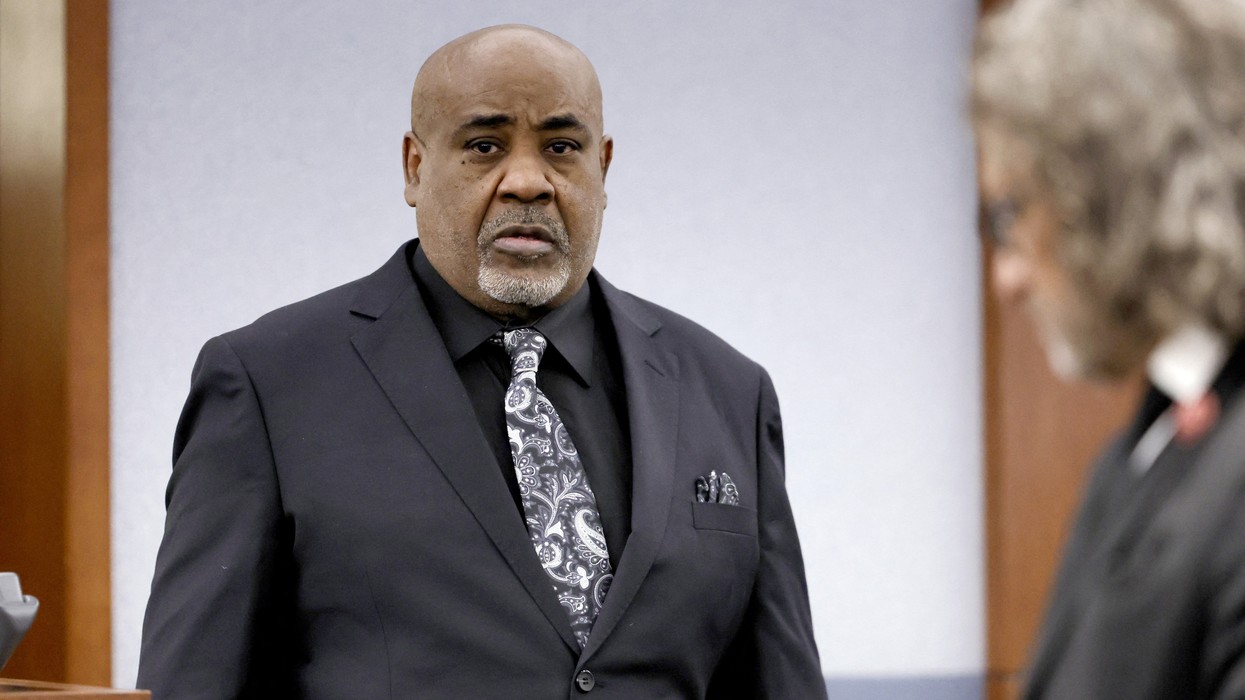
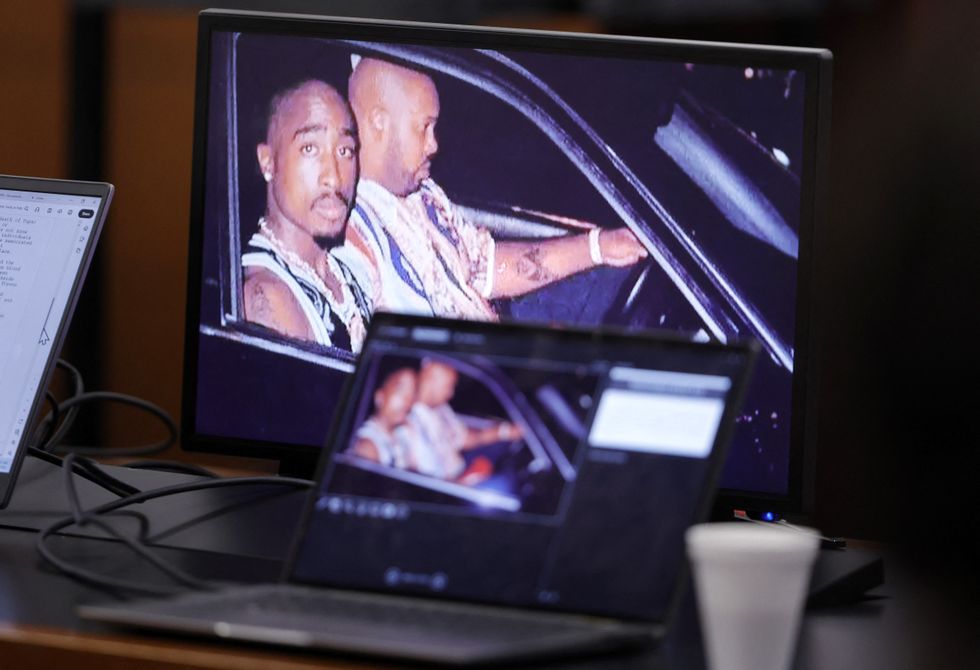 A 1996 photo of rapper Tupac Shakur (L) and Marion "Suge" Knight is shown on screens during closing arguments in the Duane Davis murder trial, related to the 1996 killing of rapper Tupac Shakur, at Clark County District Court at the Regional Justice Center in Las Vegas, Nevada, on August 31, 2026. Getty Images

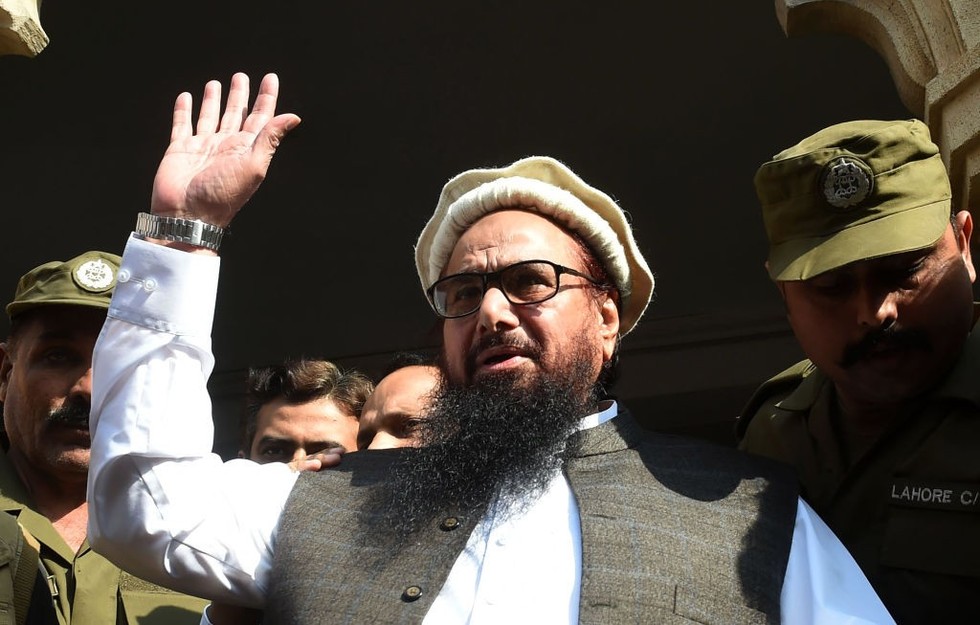


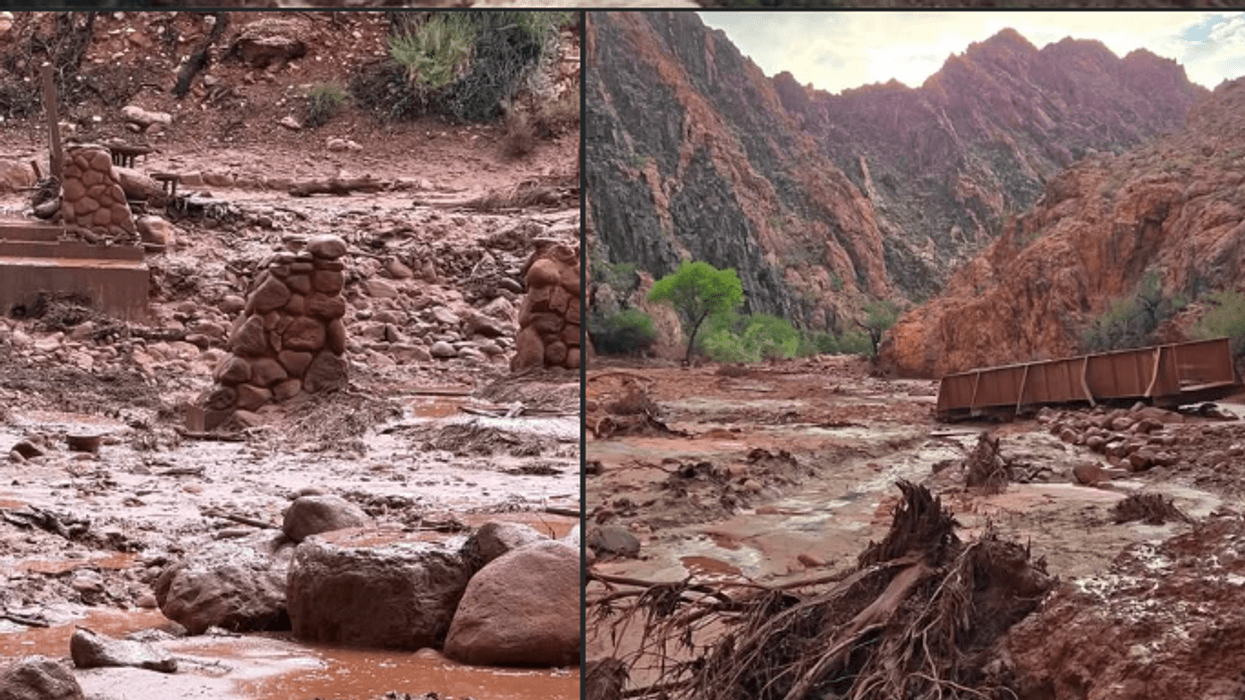
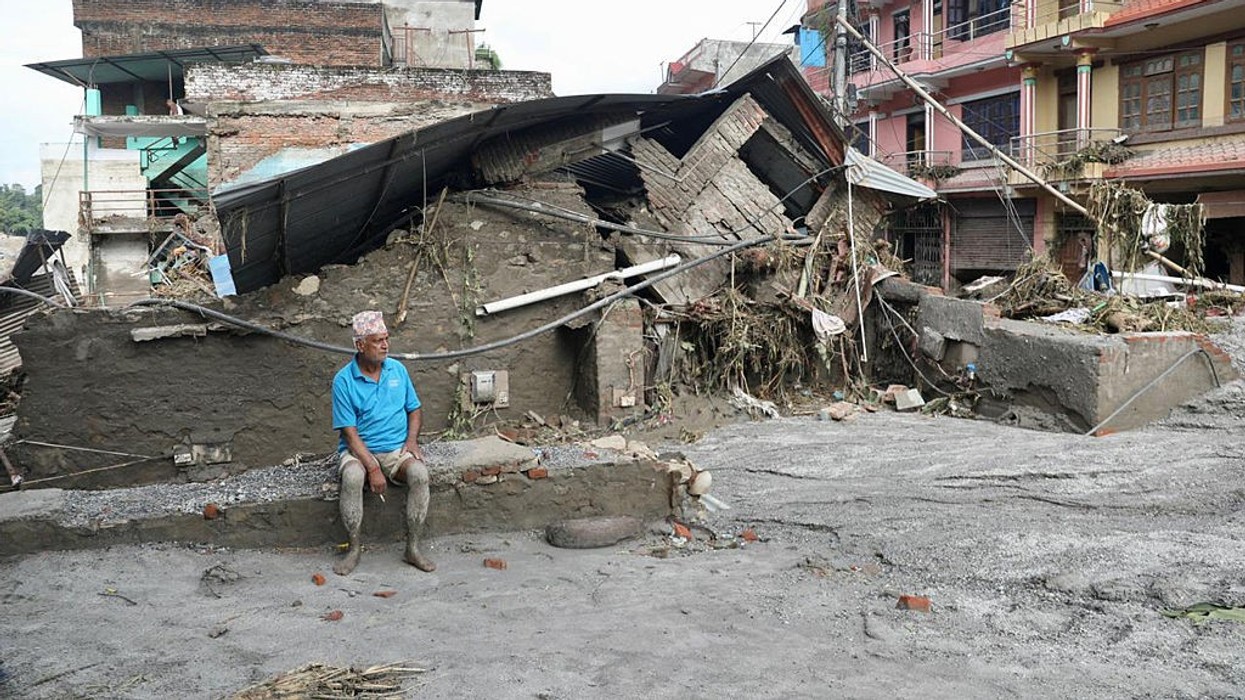
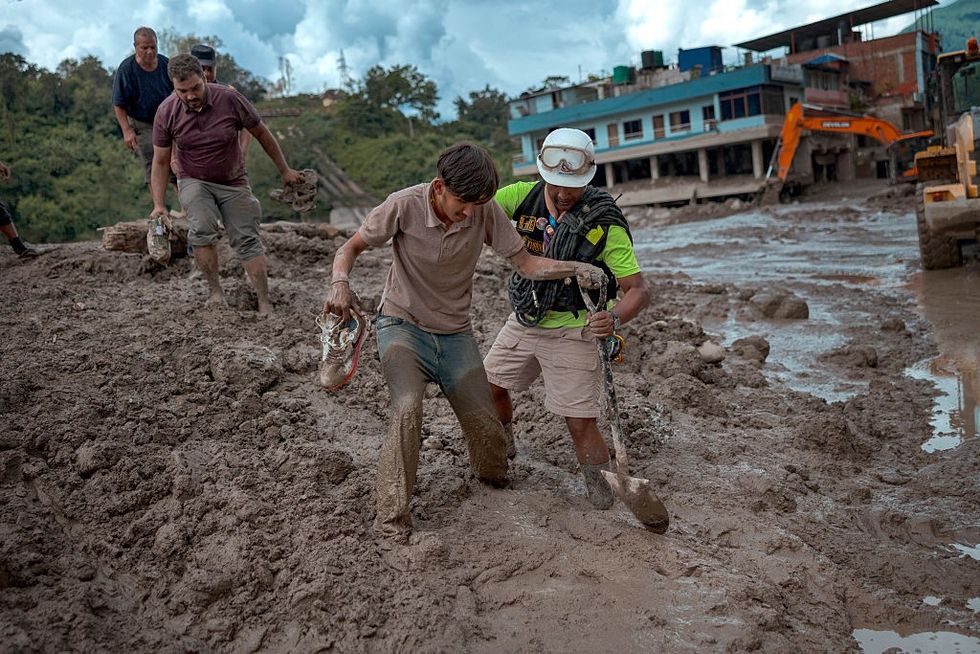 A rescuer assists a resident through heavy mud following flash floods on August 27, 2026 in Trishuli, Nepal. A sudden flood swept through the Bhote Koshi River basin in northern Rasuwa on August 26, damaging settlements, roads and energy infrastructure as rescue teams searched for residents and foreign travellers reported out of contact. Hundreds were reported missing, as the death toll started to climb.Getty Images
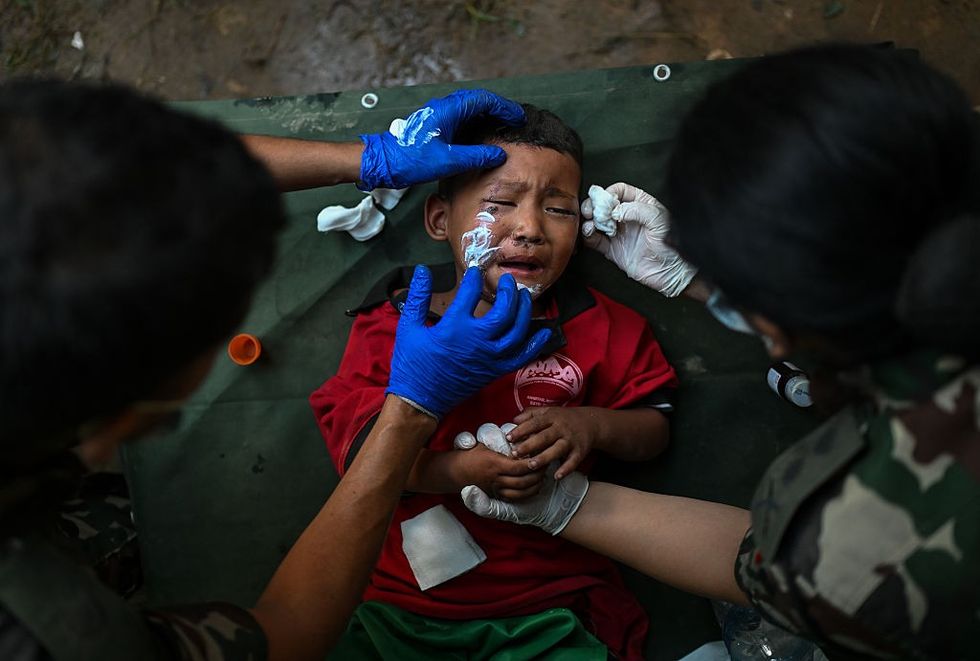 Rescue personnel provide medical treatment to a child at an army rescue camp in Trishuli Batar, Nepal, on August 27, 2026. A sudden flood swept through the Bhote Koshi River basin in northern Rasuwa on August 26, damaging settlements, roads and energy infrastructure, as rescue teams searched for residents and foreign travellers reported out of contact. Hundreds were reported missing as the death toll began to climb. Getty Ima
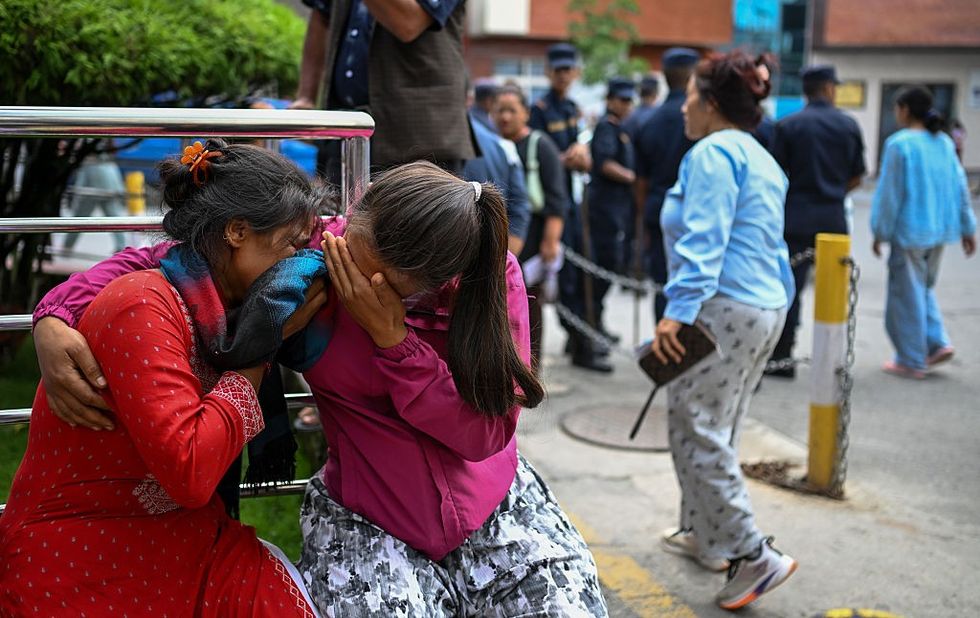 Family members of missing flood victims react at the emergency ward of the Maharajgunj Medical Campus, part of the Tribhuvan University Teaching Hospital, on August 28, 2026 in Kathmandu, Nepal. Authorities said the flash floods were triggered after a mass of ice, mud and rock collapsed into a Himalayan river near the Nepal-China border, leaving hundreds dead or missing and causing widespread damage in affected districts. Authorities continued the gruelling search for victims, many buried under metres of mud, as both China and Nepal issued fresh flooding alerts.Getty Images