
Highlights
- Netflix agrees to buy Warner Bros. in a deal valued at $82.7 billion
- Purchase price: $27.75 per share
- WBD to spin off Discovery Global before the deal closes
- Regulatory challenges expected in the U.S. and Europe
- Industry weighs impact on theatrical releases, streaming strategy and premium TV
A landmark acquisition reshapes the entertainment industry
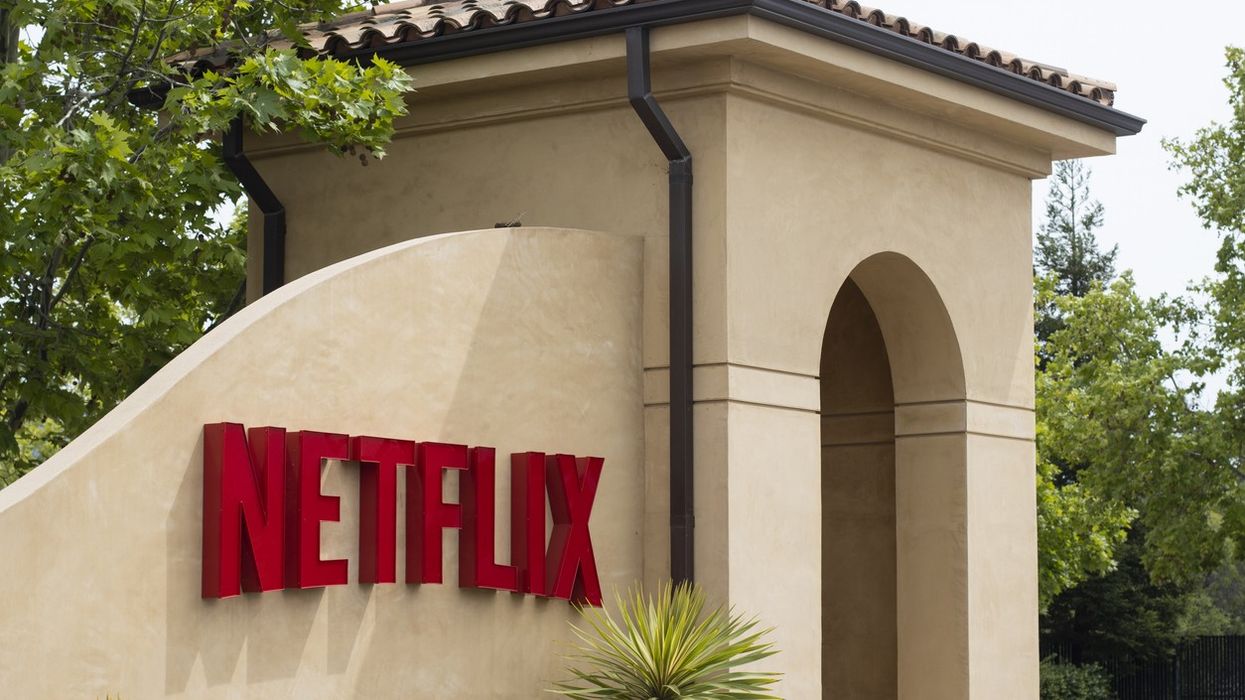
In a deal that marks one of the biggest shifts in modern entertainment, Netflix says it will acquire Warner Bros. for an enterprise value of $82.7 billion. The move merges the world’s largest streaming service with a studio known for films such as Casablanca and the Harry Potter franchise.
Netflix says the agreement is expected to close 12 to 18 months after Warner Bros. Discovery completes the planned spinoff of its television networks division, Discovery Global. The company expects that the separation to finish in the third quarter of 2026.
The news immediately draws focus to Netflix stocks, which remain under pressure as analysts assess how the largest acquisition in the company’s history could reshape its long-term strategy.
A deal years in the making
Warner Bros. Discovery announced in June that it would split into two, separating its cable channels, including CNN, TNT Sports, and others, from its streaming and studio assets, including HBO Max and Warner Bros. Television.
Interest soon followed. By October, companies such as Paramount Global, Skydance Media, and Comcast were reported to be evaluating full or partial bids for Warner Bros. The competitive landscape set the stage for Netflix to secure exclusive talks with WBD earlier this month.
Netflix now confirms it will pay $27.75 per share, giving the acquisition an equity value of $72 billion and a total enterprise value of $82.7 billion.
Regulatory scrutiny looms
Even with a signed agreement, the companies must clear significant regulatory barriers. Leaks to the New York Post suggest the Department of Justice is preparing a legal challenge. European regulators are also expected to examine the deal closely.
Netflix is likely to argue that the video market spans a much wider ecosystem than subscription streaming alone, pointing to the dominance of platforms such as YouTube.
What the merger could mean for Hollywood
A completed deal would transform Netflix into the owner of one of the most storied film libraries and one of television’s most influential brands. It raises immediate questions about the future of theatrical releases, licensing deals, and creative development.
Some traditional studio executives privately express concern that Netflix may reduce theatrical windows for Warner Bros. films, putting added pressure on cinemas already struggling with attendance.
There are also questions around HBO’s long development cycles. The network’s focus on long-term refinement, a hallmark of its prestige programming, may not align with Netflix’s faster pace.
Meanwhile, WBD’s linear networks, including CNN, TNT, TBS, HGTV, and Food Network, remain on track to become a separate company.
Internal tensions and signs of momentum toward Netflix
Earlier signals of WBD’s preference for Netflix surfaced when a letter from Paramount’s lawyers leaked. The letter alleged that the sale process was “unfair” and noted reports that WBD management believed a deal with Netflix would be a “slam dunk.”
With an $82.7 billion price tag now confirmed and exclusive talks complete, the industry is preparing for one of the biggest industrial shifts in decades, while investors watch whether Netflix stocks, currently trading lower, recover as the company pursues its boldest move yet.