
Highlights:
- India received the most regressive tax advice from IMF
- Poorer countries face policies that may increase inequality
- Rich nations get more progressive, fair tax recommendations
- Very few IMF suggestions target wealth or capital gains
- Oxfam calls out the IMF’s “double standard” in global tax advice
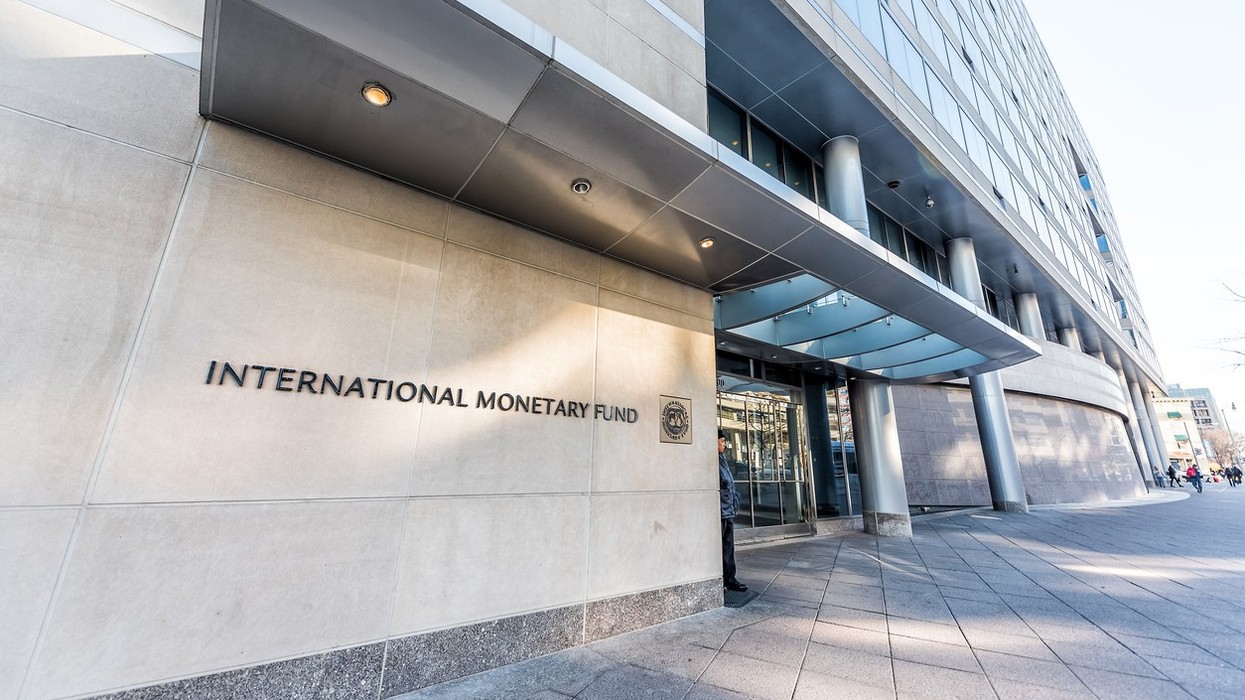
A new analysis by Oxfam has raised concerns that the International Monetary Fund (IMF) is applying unfair tax advice across countries, placing a heavier burden on developing economies like India.
The report found that India received the highest number of regressive tax recommendations from the IMF between 2022 and 2024. These types of taxes affect lower- and middle-income groups more than the wealthy, increasing the risk of widening inequality.
Oxfam’s analysis reviewed 1,049 tax recommendations made to 125 countries. It found that 59 per cent of advice given to low- and lower-middle-income countries was regressive. In contrast, 52 per cent of recommendations given to high-income countries were progressive, meaning they placed a greater tax burden on wealthier individuals.
A regressive tax system applies similar rates to everyone, which impacts poorer households more. Progressive systems, on the other hand, ensure those with higher incomes or wealth pay more. Despite rising global wealth, only about three percent of IMF recommendations focused on taxing wealth or capital gains.
The report highlighted what it described as a 'double standard.' Wealthy nations such as the United States and several European countries received more progressive advice, including policies targeting higher-income groups. Meanwhile, countries in the Global South, including India, were more often advised to adopt policies that shift the burden toward ordinary citizens.
“This regressive aspect of tax advice for Global South countries means that most measures advised by the IMF are likely to exacerbate inequality,” the report said.
The analysis also found that South Asia received the most regressive recommendations overall, followed by regions such as Latin America and sub-Saharan Africa. In several cases, IMF advice appeared to disproportionately affect lower-income groups.
For example, in Chile, the IMF suggested raising taxes on low- and middle-income groups while keeping top rates unchanged. In Nigeria, it is recommended to increase the value-added tax despite high poverty levels. In Hungary, it is advised against taxing the excess profits of energy companies.
Even where inequality is high, progressive measures were rarely suggested. The report noted that billionaire wealth has grown sharply in recent years, yet recommendations targeting wealth remained limited and mostly focused on high-income countries.
Oxfam also pointed out that the IMF links its tax advice to in equality far more often in wealthy countries than in poorer ones. Only 8 percent of its advice to lower-income countries addressed inequality, compared to 34 percent for richer nations.
Kate Donald of Oxfam said this raises serious concerns about fairness. She argued that the IMF must either apply progressive policies equally or acknowledge that its commitment to reducing inequality is not consistent.
The report also noted that gender inequality was rarely addressed in IMF tax advice and that most recommendations focused on adjusting existing systems rather than introducing meaningful reforms.
Oxfam has called on the IMF to place inequality at the center of its fiscal guidance and avoid policies that place a disproportionate burden on low-income populations.