

Highlights
- Oxford University Press selects “rage bait” as its 2025 word of the year
- Usage of the term triples over the past year
- It refers to content crafted to provoke anger and drive engagement
- Other shortlisted terms include “aura farming” and “biohack”
- Dictionaries highlight a wider shift in digital behaviour and emotional manipulation
What “rage bait” means and why it rises
Oxford University Press names “rage bait” as its word or phrase of 2025, pointing to a sharp increase in the public’s exposure to online content designed to provoke anger. The publisher says the term has tripled in usage in the past 12 months, reflecting how often people encounter posts intended to spark outrage and boost engagement.
The concept is similar to clickbait but aims specifically to elicit frustration or offence. Social media users may engage without realizing they are being drawn into manipulated conversations online.
Other shortlisted terms shaping online culture
“Rage bait” beats two other shortlisted words:
- Aura farming – cultivating a charismatic or aspirational persona through deliberate self-presentation.
- Biohack – attempting to enhance physical or mental performance through lifestyle changes, supplements or technology.
The shortlisted terms are chosen to capture themes that define public conversations through the year. The final decision combines public voting with assessment from Oxford’s language experts.
Casper Grathwohl, president of Oxford Languages, says the rise of “rage bait” shows how digital platforms increasingly target users’ emotions. While earlier online trends focused on drawing clicks through curiosity, he notes that tactics now concentrate on influencing how people feel and react.
A continuing pattern in word-of-the-year trends
The selection aligns with a broader pattern in recent years. Previous Oxford choices include “goblin mode” and “rizz,” while last year’s winner, “brain rot,” reflected the mental fatigue linked to endless scrolling.
Grathwohl says the 2024 and 2025 winners together highlight a cycle in which outrage fuels engagement, algorithms amplify divisive content and users experience emotional overload as a result.
Cambridge Dictionary names “parasocial” as its word of 2025, describing the one-sided relationships people feel with celebrities. Collins Dictionary selects “vibe coding,” the practice of creating digital products by describing them to automated systems instead of writing code manually.
These choices underscore how language continues to evolve alongside online behaviour—and how digital culture increasingly shapes the words we use.









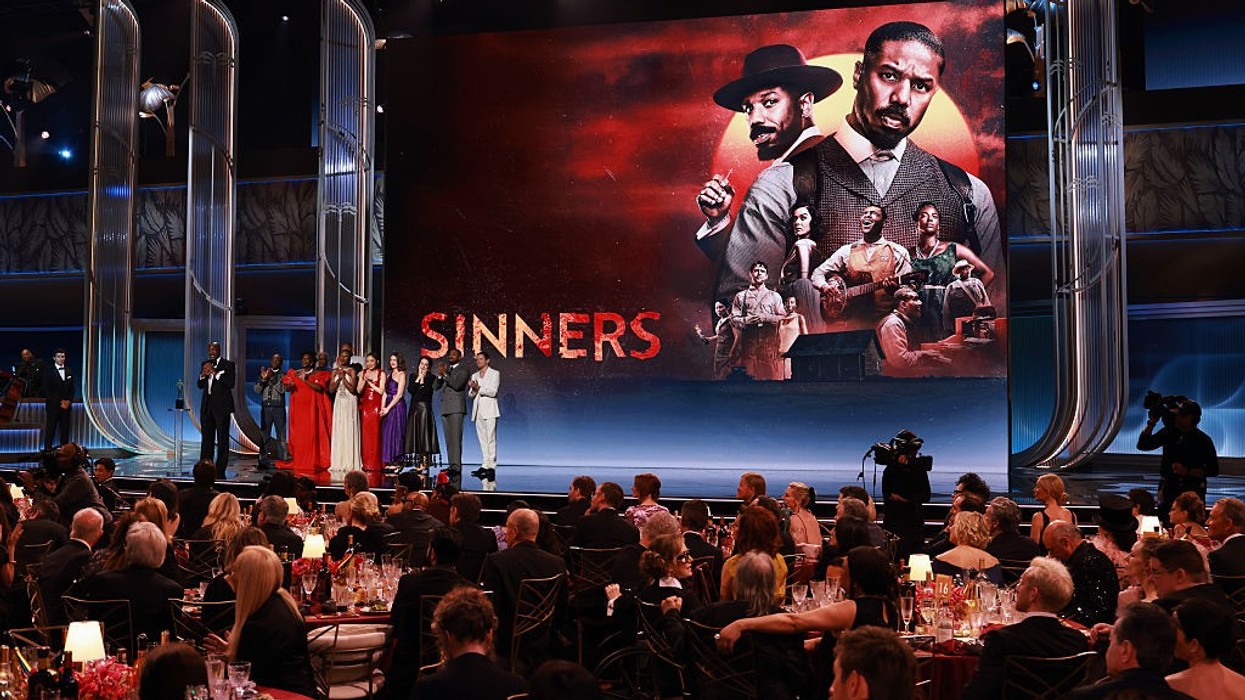
 Michael B. Jordan accepts the Outstanding Performance by a Male Actor in a Leading Role Award for "Sinners" onstage during the 32nd Annual Actor Awards at Shrine Auditorium and Expo Hall on March 01, 2026 in Los Angeles, California.Getty Images