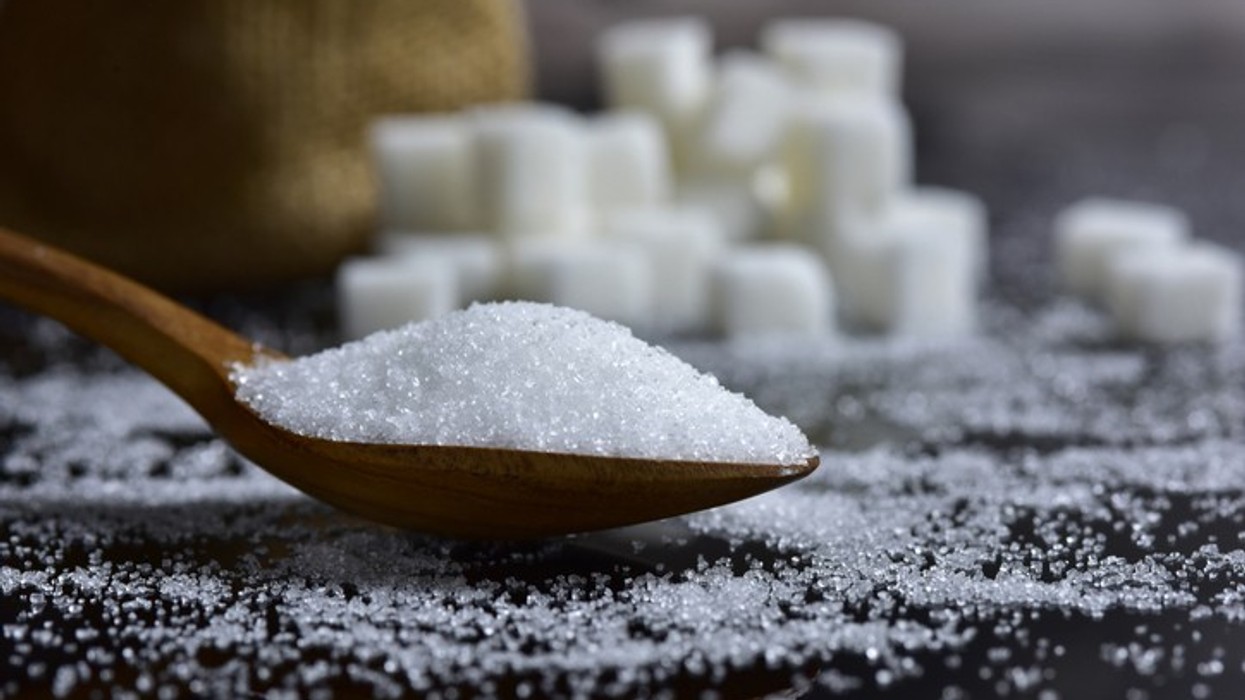

- India will allow 1 million metric tonnes of raw sugar to be imported duty-free until October 31.
- Several sugar stocks fell more than 4% after the announcement.
- The move could cool domestic prices just as global sugar prices rise on expectations of stronger Indian demand.
Sugar stocks had been on a tear. Then the government opened the door to imports.
Shares of several Indian sugar companies fell sharply on Friday after the government allowed 1 million metric tonnes of raw sugar to enter the country duty-free until October 31.
Dalmia Bharat Sugar fell 5.47%, Dwarikesh Sugar Industries dropped 4.32%, Balrampur Chini Mills declined 4.15% and Triveni Engineering & Industries lost 3.82%. Other companies including Uttam Sugar Mills, EID Parry and Dhampur Sugar Mills also traded lower.
The move is aimed at increasing domestic supplies and bringing down sugar prices ahead of the festival season, when demand for sweets and confectionery usually rises.
It also comes after domestic sugar prices jumped by nearly 40% in two months, driven by concerns over tighter supplies and lower production.
Why producers are feeling the pressure
The government's decision changes the calculation for sugar producers.
Higher domestic prices had recently raised expectations of stronger realizations for mills, helping sugar stocks rally sharply. Balrampur Chini Mills surged 18% on Thursday, while Dwarikesh Sugar Industries gained nearly 14%.
Now, additional imported sugar could increase availability in the domestic market and take some pressure off prices.
That could be good news for consumers and large sugar users, particularly ahead of the festival season. But for producers, cheaper imports could limit how much they can charge for their own sugar.
India normally imposes a 100% import duty on sugar, making the temporary removal a significant intervention. It is also the country's first major sugar import program in almost a decade.
The government has also tightened inventory rules for large sugar consumers. From September 1 to November 30, dealers consuming more than 10 metric tonnes a month will be restricted to holding stocks equivalent to no more than 15 days of consumption.
The measures suggest the government is more concerned about keeping domestic supplies and prices under control than allowing the recent price surge to continue.
India’s buying could lift global prices
There is an interesting twist: while Indian sugar stocks fell, sugar prices overseas moved higher.
London white sugar futures and New York raw sugar futures gained as much as 4% after the announcement.
The reason is straightforward. India is one of the world's biggest sugar markets, and its return as a significant buyer could create additional demand in the global market.
The government will allow port-based refineries to seek allocations under the import quota. Refined sugar produced from raw sugar already imported by these refiners will also be allowed to be sold domestically until the end of October.
So the same policy is creating two different reactions.
Indian sugar producers could face pressure from higher domestic supply and weaker realizations, while global sugar prices could get support from the prospect of increased Indian demand.
For investors, the sharp reversal in sugar stocks is a reminder of how quickly government policy can change the outlook for a commodity-linked sector.











 Jamieson GreerLudovic Marin/Getty Images