
Highlights:
For two days in October, the bright lights of New York’s Times Square shared the spotlight with the sounds of Bengali devotional music, the rhythm of dhak drums and the swirling smoke of dhunuchi dance. Thousands gathered at Father Duffy Square on October 10 and 11 and October 17 and 18 for Durga Puja 2026, transforming one of Manhattan’s busiest public spaces into a celebration of Bengali heritage.
The festival, organized by the Times Square Durga Puja Festival Association under the theme “Mahamilan 2026,” showed how a community living thousands of miles from home could bring its traditions into the heart of a global city. According to News India Times, founder Biswajit Saha estimated that nearly 75,000 people visited over the two days.
Bringing Bengal to the heart of Manhattan
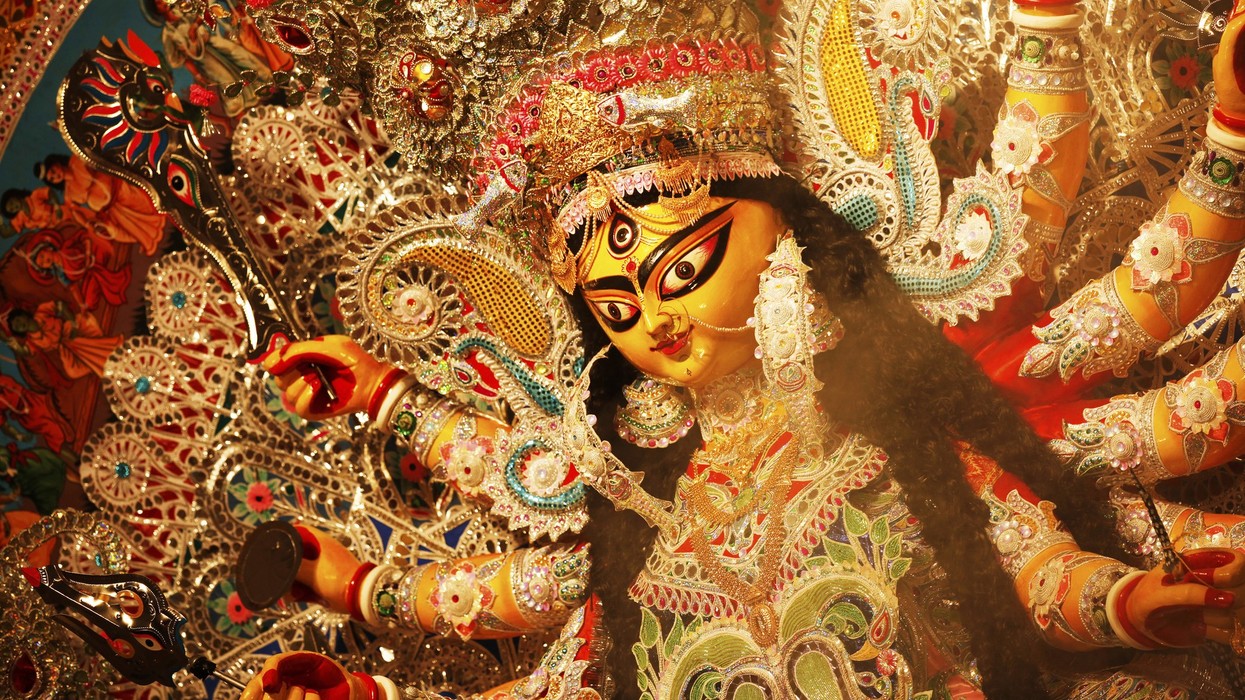
The organizers brought an important piece of Bengal with them: a Durga idol from Kumartuli, Kolkata, the neighborhood famous for its community of idol-makers. The presence of the idol gave the celebration a direct connection to the artistic traditions behind Kolkata’s iconic pujas.
But the event was about much more than displaying an idol. The schedule followed religious observances, including pushpanjali, Chandi Path and prayers marking the different stages of Durga Puja. Traditional khichdi prasad was distributed, while Sindoor Khela and Dhunuchi Naach recreated familiar scenes from celebrations across Bengal.
Music and dance helped bring the culture to life for audiences unfamiliar with the festival. Performances included the Dash Mahavidya dance production by Nrityanjali, alongside appearances by singers Mekhla Dasgupta, Deyashini Roy and other artists. Children and teenagers also participated in recitations, giving younger members of the diaspora a role in carrying these traditions forward.
The celebration also brought together Bengali communities from India and Bangladesh. As Anandabazar Patrika reported, the gathering built on an effort to bring together communities whose cultural traditions overlap but whose celebrations have often taken place separately. More than 60 performers reportedly participated in the cultural program.
How the organizers pulled it off
Taking a religious festival into a high-profile public space required coordination well beyond arranging performances. The Times Square Durga Puja Association brought together an organizing committee, community partners, artists, volunteers and sponsors to manage the two-day program.
Saha credited association president Shashadhar Howlader, secretary Nirupama Saha, treasurer Samyabrata Dasgupta and other committee members for their work. Thirty-five volunteers, including students from Columbia University, New York University and Rutgers University, also helped make the event possible. Asha Home Square and Asha Restaurant, part of the Asha Group, supported the festival.
The team also had to contend with the weather. Heavy rain affected the second day, but the religious ceremonies and cultural performances continued, drawing attendees despite the conditions. The program included an emotional farewell to the goddess, completing the festival’s spiritual journey.
From Times Square to social media
The festival’s impact extended beyond those who attended in person. Social posts and video clips shared under hashtags including #TimesSquareDurgaPuja, #DurgaPujaNYC and #BengaliHeritage helped circulate images of the celebrations among diaspora communities and wider audiences. An October 12 post by Rohit Sharma, highlighted in an online report, showed the event and helped draw attention to the gathering.
The visual contrast was striking: traditional attire, devotional rituals and Bengali dance unfolding against Times Square’s giant digital billboards. For many Bengali Americans, these images represented a connection to home; for other viewers, they offered a glimpse into a festival that combines worship, art, food and community.
The event also recognized six organizations that have helped sustain Durga Puja in the United States for more than 50 years. That acknowledgment connected the spectacle in Manhattan to a much longer history of Bengali cultural preservation in America.
The celebrations extended beyond Times Square, with the Indian-American diaspora gathering at the Hindu Temple of Tri-State in White Plains on Sunday for Ashtami Puja, Durga Puja and Garba. The event reflected the many ways Indian communities across the New York region observe the festival, bringing together religious devotion, cultural traditions and community celebrations.
By bringing an idol from Kolkata, involving young volunteers, showcasing artists and sharing the celebration online, the organizers made Durga Puja visible in a place recognized around the world. Times Square became more than a backdrop: it became a meeting point for faith, heritage and a diaspora determined to keep its traditions alive.



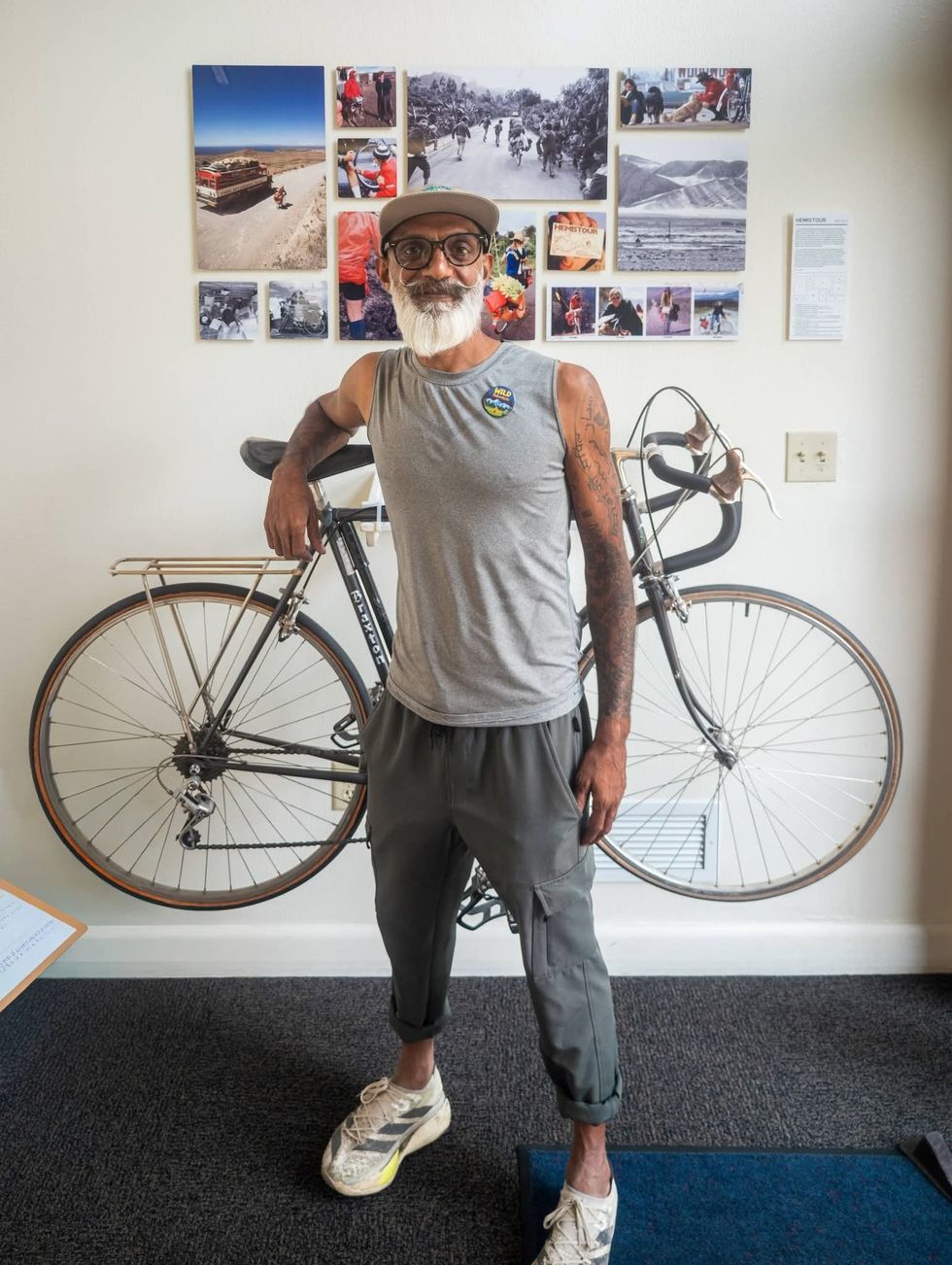 Chazzy Patel with his electric bike and the memories captured in frames.Google Drive
 Chazzy Patel with his friends he made while circumnavigating on electric bike.Google Drive
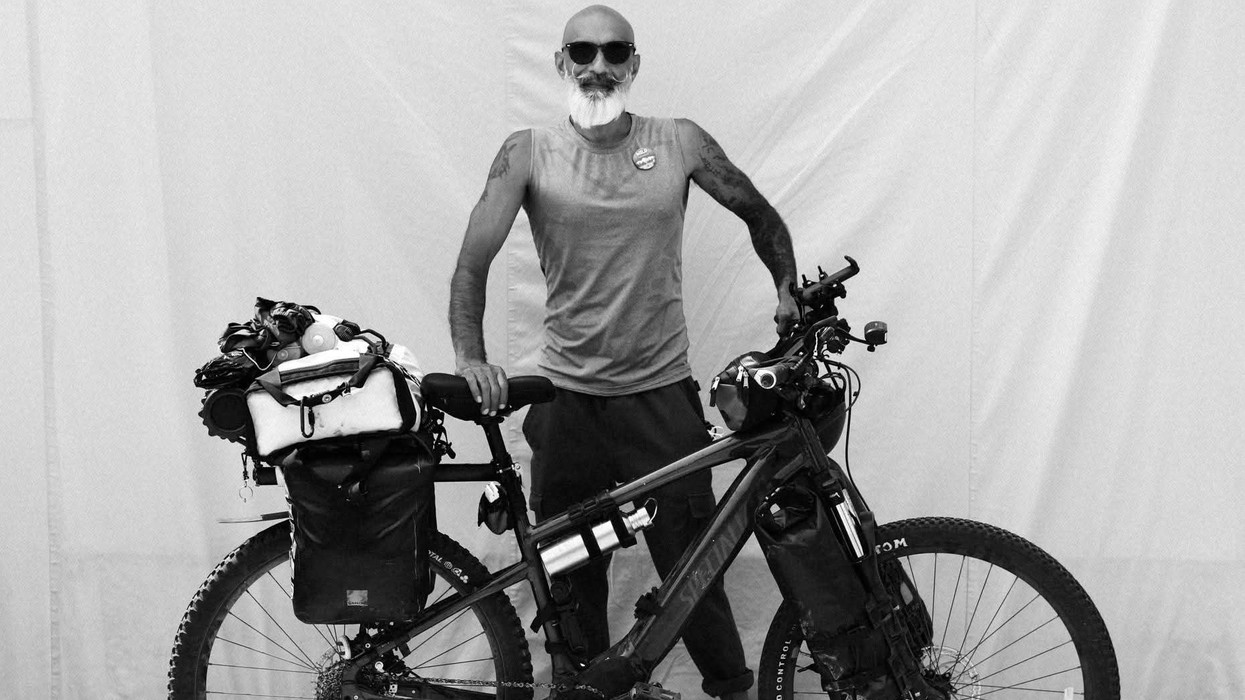
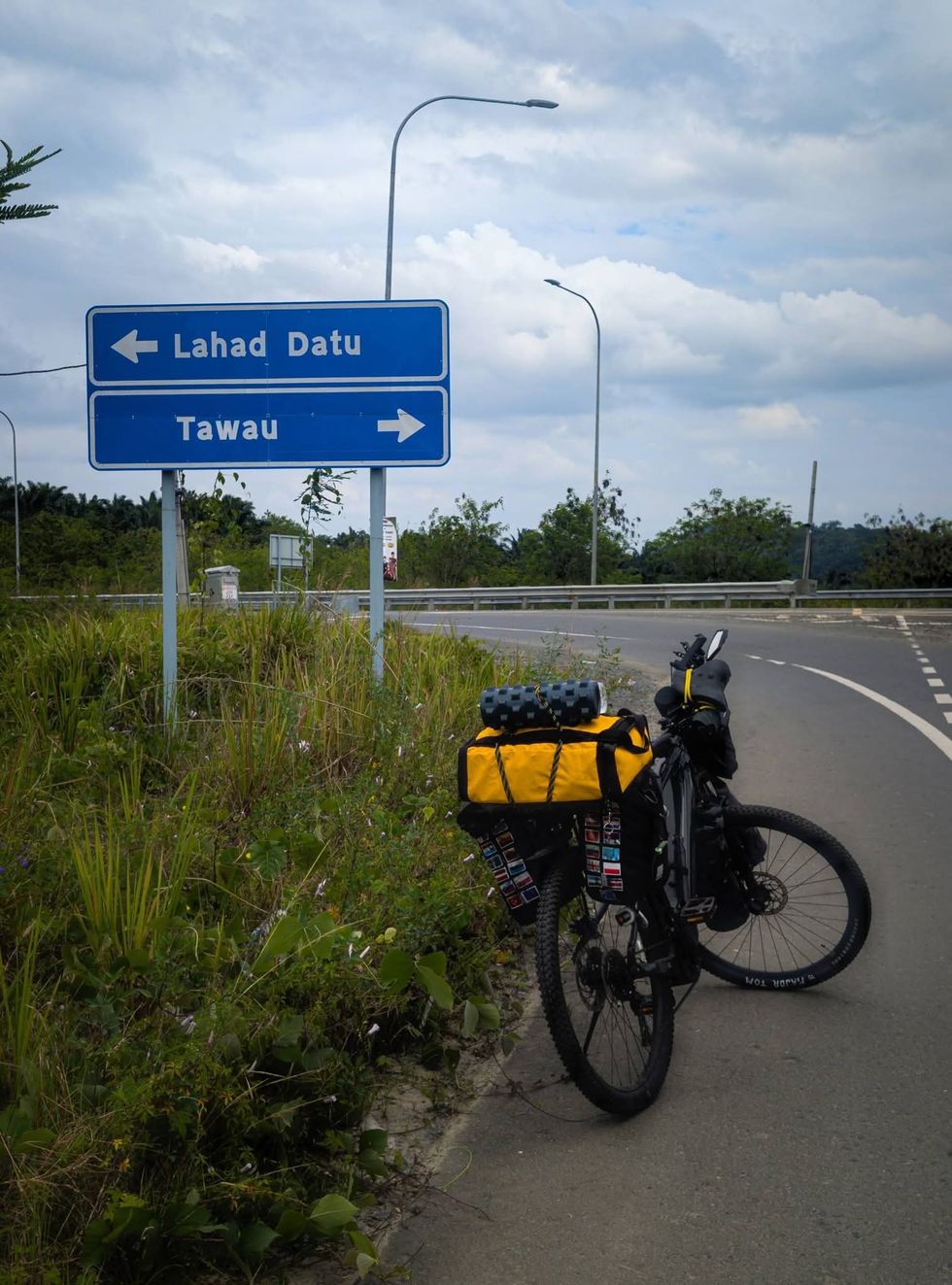 Chazzy Patel's setup in ThailandGoogle Drive