
- US says India benefits more than the EU from the trade deal
- Deal expands Indian market access and worker mobility in Europe
- Trump administration sees EU “doubling down on globalization”
- US tariffs on India remain in place, including oil-related levies
- India–EU pact covers nearly a quarter of global GDP
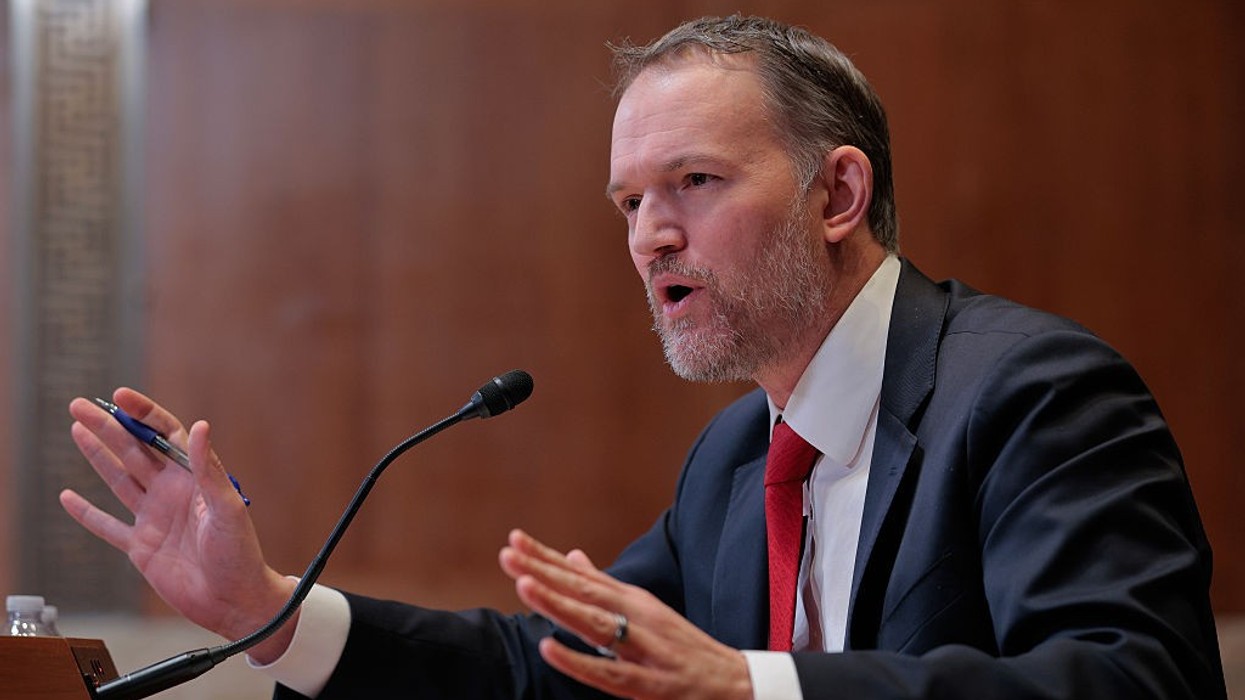
India has emerged as the clear winner in its newly announced free trade agreement with the European Union, according to the first official reaction from Trump administration. US trade representative Jamieson Greer said the deal strongly favors India and is likely to give the country a significant economic boost.
Speaking in an interview with Fox Business on Tuesday (27), Greer reacted to the India-EU agreement, which European Commission president Ursula von der Leyen described as the 'mother of all deals.' The pact was formally unveiled in New Delhi earlier this week.
“I’ve looked at some of the details of the deal so far,” Greer said. “I think India comes out on top on this, frankly. They get more market access in Europe.”
Greer also pointed to what he described as additional immigration and mobility benefits for Indian workers. While noting that he had not reviewed every provision, he referenced public comments by von der Leyen about easing movement for Indian professionals into Europe.
“It sounds like they have some additional immigration rights,” Greer said. “President von der Leyen has talked about mobility for Indian workers into Europe. So I think on net, India is going to have a heyday with this. They have low-cost labor.”
Greer suggested the agreement reflects a broader divergence in economic strategy between the United States and the European Union. While Washington is seeking to scale back globalization and priortize domestic production, he said the EU appears to be moving in the opposite direction.
“It looks like the EU is doubling down on globalization at a time when the United States is trying to fix some of the problems of globalization here at home,” he said.
He added that US trade policies under president Donald Trump, including tariffs designed to protect American industries, have pushed other countries to seek alternative markets. According to Greer, the EU's pivot toward India is partly driven by the bloc's heavy dependence on exports.
“Because the United States has essentially started charging a fee for access to our market, countries are looking for other outlets for overproduction,” he said. “The EU is so trade dependent, they need other places if they can’t keep sending all their products to the United States.”
Greer also addressed ongoing US tariffs on India, including penalties linked to New Delhi’s purchases of Russian oil. He confirmed that India continues to face a 25 percent tariff related to those purchases, in addition to a separate 25 percent reciprocal tariff imposed by the Trump administration.
Asked whether India is still buying Russian oil, Greer said the country has made progress but has not gone far enough. “They like the discount you get from Russian oil,” he said. “It’s close by, so it’s hard for them.”
He added that the US Treasury Department has recently tightened sanctions and expects India to continue reducing its reliance on Russian energy supplies.
The India-EU trade deal is expected to create a combined market of nearly two billion people and account for close to one-quarter of global GDP. Under the agreement, tariffs will be reduced on 99 percent of Indian exports to the EU and more than 97 per cent of EU exports to India.
Indian industries such as textiles, apparel, leather goods, handicrafts, footwear, and marine products are expected to benefit significantly, while Europe stands to gain in sectors including wine, automobiles, chemicals, and pharmaceuticals.