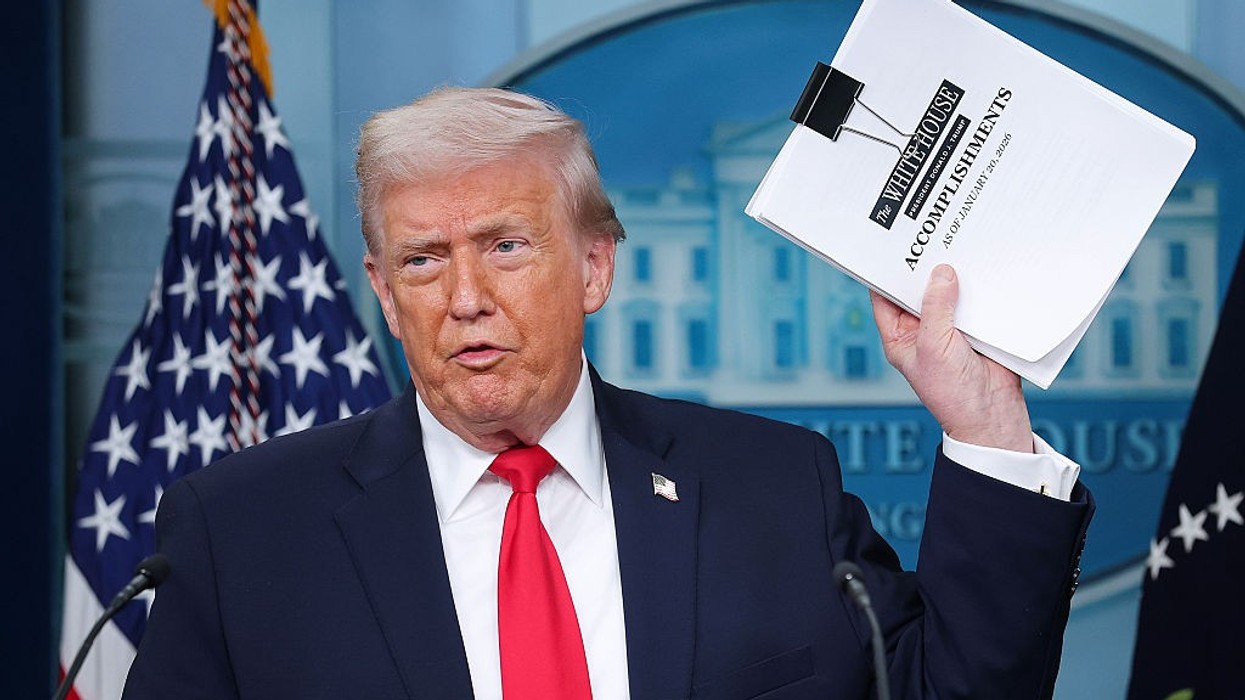

President Donald Trump barreled into the Swiss mountain resort of Davos on Wednesday (21) amid one of the most contentious foreign policy disputes of his second term, a bold, headline-grabbing push to acquire Greenland that has set the US at odds with key European ties.
Trump's arrival at the World Economic Forum, a gathering of global business and political leaders was delayed by about three hours due to a minor aircraft issue, but the president didn't waste any time returning the conversation to Greenland, a vast Artic island that is an autonomous territory of Denmark.
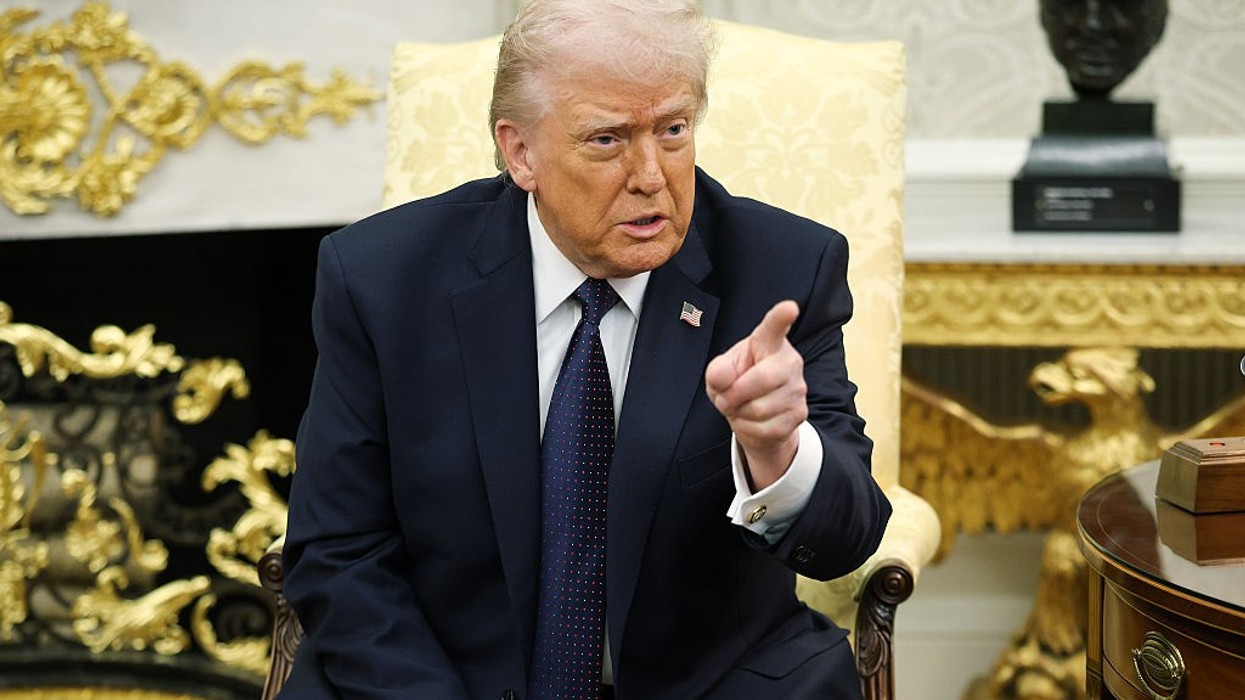
At a news conference on Tuesday (20), Trump made clear that Greenland is central to his strategy for US national security, but he offered no specifics on how far he's willing to go to secure control of the territory. When pressed on the matter, he simply told reporters: “You’ll find out.”
The cryptic remark has fuelled a growing diplomatic tussle with European governments, which have denounced the idea of ceding the island, a home to important US military installations to Washington. Denmark, a longtime NATO ally, has repeatedly insisted that Greenland is not for sale, and that its sovereignty must be respected.
European leaders at Davos have used forums and bilateral meetings to strengthen their opposition. According to multiple reports, officials from France and other NATO member states are urging a more unified European position that emphasizes cooperation on Arctic security rather than unilateral US action.
The tensions extend beyond diplomatic statements. Trump has threatened to impose significant tariffs on European countries opposed to his Greenland push. Canada’s prime minister, attending Davos, publicly rejected such tariff threats and emphasized the importance of transatlantic partnerships.
Back home and in Greenland itself, the fallout is visible on the streets. Thousands of demonstrators in Copenhagen and in Greenland’s capital, Nuuk, have rallied against what they see as an affront to their autonomy, shouting slogans like “Greenland is not for sale.”
Trump and his advisers argue that Greenland’s strategic location, with proximity to Russia and China in the Arctic, makes it vital to US security interests. Officials have framed the proposal as a defense imperative, although skeptics both in Europe and the United States question whether this rationale holds up or whether the real motive is legacy-building through territorial expansion.
Despite the pushback, Trump appears set to spotlight the issue in his address to the WEF’s world leaders. Many analysts say the dispute over Greenland could have lasting implications for NATO cohesion and broader US relations with Europe, at a moment when transatlantic cooperation over security and trade has been tested by multiple global crises.
As the president continues to navigate the high-stakes diplomatic terrain in Davos, allies and critics alike are watching closely to see whether Washington’s assertive strategy on Greenland will translate into concrete negotiations, or further strain long-standing partnerships.