
Highlights:
- Trump orders blockade of Strait of Hormuz after failed Iran talks
- US Navy to intercept ships paying Iran transit tolls
- Talks collapsed over nuclear weapons and enrichment demands
- Iran cites distrust due to past conflicts with the US
- Move may be pressure tactic, but risks raising global oil prices
President Donald Trump announced Sunday (12) that the United States will begin a naval blockade of the Strait of Hormuz after nuclear talks with Iran broke down overnight in Islamabad.
In two posts on Truth Social, Trump said the US Navy would block ships entering or leaving the strait and intercept any vessel that has paid Iran for safe passage. He also warned that any Iranian forces firing on US or civilian ships would be “BLOWN TO HELL” as the Navy works to clear mines from the waterway.
“THIS IS WORLD EXTORTION,” Trump wrote, “and Leaders of Countries, especially the United States of America, will never be extorted.”
The failed talks were brokered by Pakistan and marked the highest-level contact between U.S. and Iranian officials in decades. Their goal was to reopen the strait, which carries about 20% of the world’s oil supply. The disruption has pushed oil prices higher and increased pressure on Trump domestically.
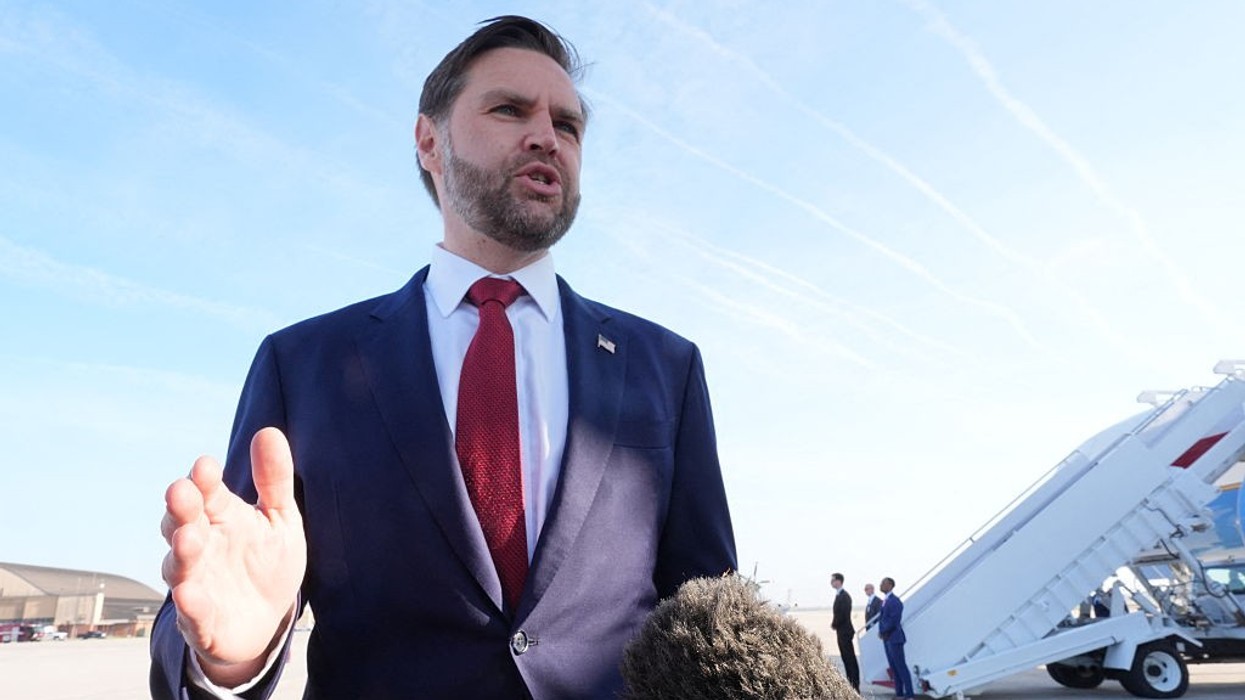
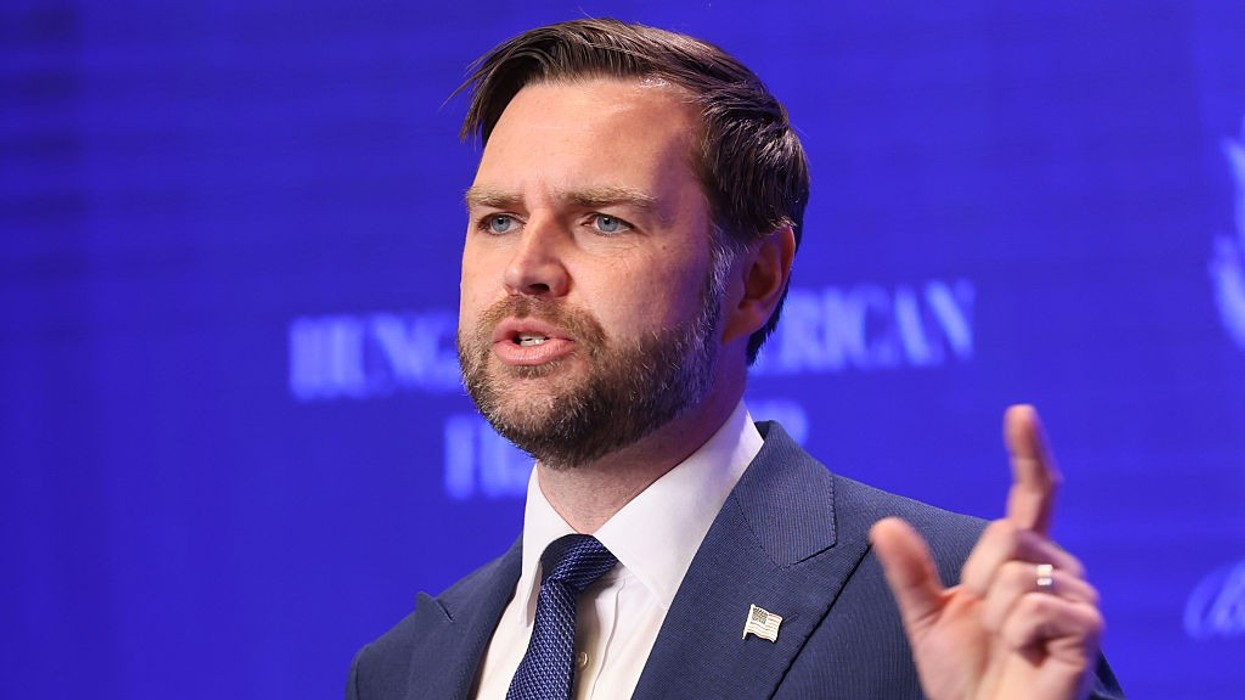
Vice President JD Vance said the talks collapsed because Iran refused to meet key U.S. demands. “They have chosen not to accept our terms,” Vance told reporters before leaving Islamabad. He added that the U.S. needs a firm commitment that Iran will not pursue nuclear weapons or develop the capability to quickly build one.
According to U.S. officials, Washington’s conditions included ending uranium enrichment, dismantling nuclear facilities, returning enriched material, cutting support for militant groups, and fully reopening the strait without tolls. Iran reportedly rejected these demands, citing a lack of trust.
Iranian officials said the US failed to build confidence during negotiations. Parliamentary speaker Mohammad-Bagher Ghalibaf stated that past conflicts have made Iran deeply distrustful of US intentions.
The blockade announcement comes shortly after US naval ships entered the strait to begin mine-clearing operations, a move Iran called a violation of the recent ceasefire. Iran has also moved forward with plans to charge ships a fee for safe transit through the waterway.
Despite the escalation, Trump suggested the blockade could be part of a negotiation strategy rather than a full return to conflict. Some allies, including former UN ambassador Nikki Haley, described the move as a high-stakes pressure tactic.
Trump hinted at the same in a television interview, saying Iran may still return to negotiations. “They haven’t left the bargaining table. I predict they come back and they give us everything we want,” he said. “And I tell my people, I want everything. I don’t want 90 percent, I don’t want 95 percent. I told them, ‘I want everything.’”
He also acknowledged that the situation could affect gas prices in the U.S., saying they might stay the same or rise slightly in the near term.
“I think this won’t be that much longer,” he said.