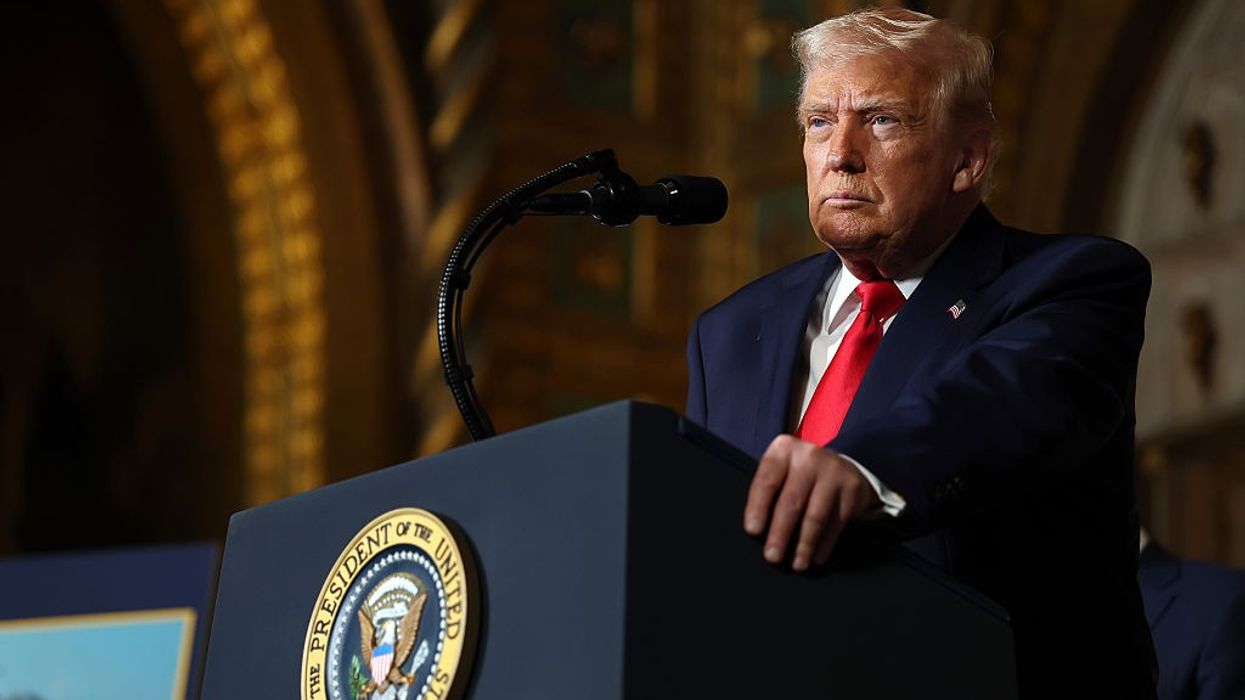

President Donald Trump on Monday (22) reiterated his long-standing claim that he helped avert a potential nuclear war between India and Pakistan, saying Pakistan's leadership credited him with saving millions of lives.
The remarks came despite consistent denials from India that any third-party mediation played a role in de-escalating the crisis. Speaking at his Mar-a-Lago club in Palm Beach, Florida, Trump said Washington stepped in at a critical moment as tensions between the two nuclear-armed neighbors escalated earlier this year. He claimed Pakistan's leadership publicly acknowledged his role in stopping the conflict.
“We stopped a potential nuclear war between Pakistan and India,” Trump said. Referring to Pakistan’s leadership, he added that a senior figure described him as having “saved 10 million lives, maybe more.”
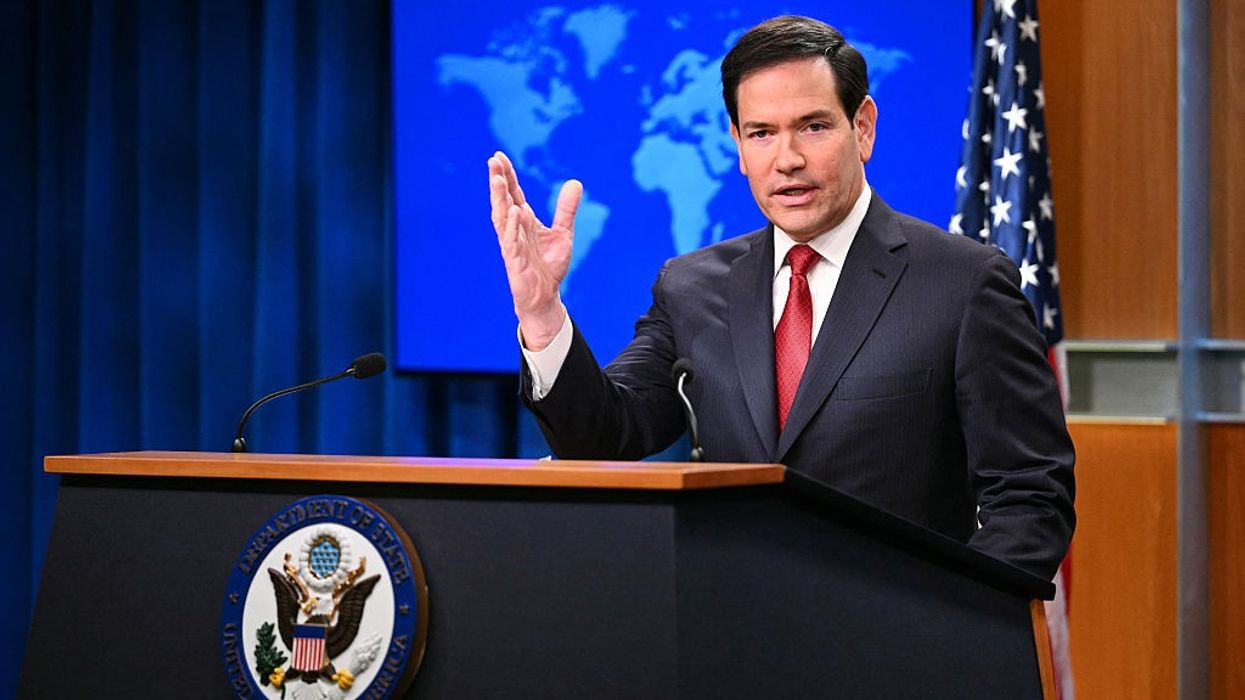
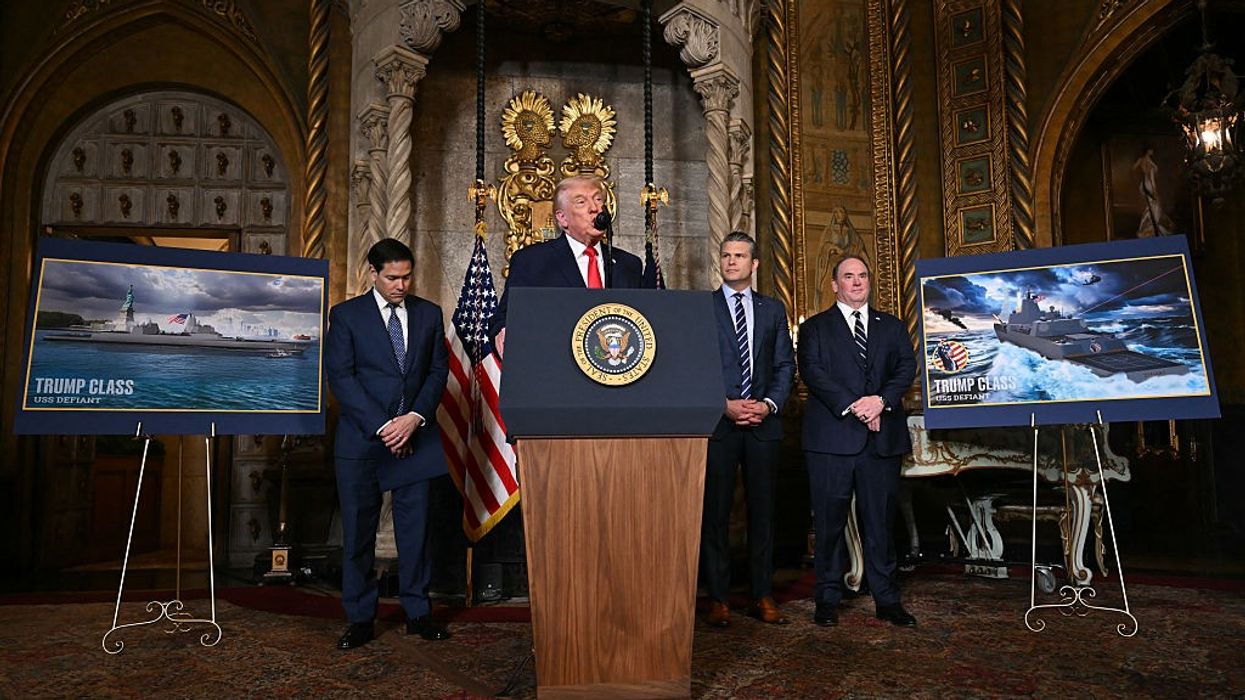
Trump made the comments while standing alongside Defense Secretary Pete Hegseth, Navy Secretary John Phelan, and Secretary of State Marco Rubio. He described the situation as rapidly deteriorating, alleging that multiple aircraft had been shot down and that hostilities were intensifying before diplomacy took hold.
“That war was starting to rage,” Trump said. “So we solved all these wars. The only one I haven’t solved yet is Russia, Ukraine.”
The president has repeatedly credited himself with easing tensions between India and Pakistan since May 10, when he announced on social media that both sides had agreed to a “full and immediate” ceasefire following what he described as overnight talks mediated by the United States. Since then, Trump has made the claim dozens of times in public remarks and interviews.
India, however, has firmly rejected the idea of outside mediation. New Delhi has consistently stated that the understanding reached on May 10 was the result of direct engagement between the two countries, without third-party involvement.
The military confrontation followed India’s launch of Operation Sindoor on May 7. The operation targeted what India described as terrorist infrastructure in Pakistan and Pakistan-administered Kashmir, in retaliation for an April 22 attack in Pahalgam that killed 26 civilians. Indian officials said the strikes were aimed at preventing future attacks and degrading militant networks.
The crisis escalated over four days, marked by cross-border drone activity and missile strikes, raising international concern about the risk of a broader conflict between the nuclear-armed rivals. On May 10, both sides announced an understanding to halt hostilities.
While Trump continues to frame the ceasefire as a diplomatic success driven by US involvement, Indian officials have maintained that the decision to de-escalate was sovereign and bilateral. The differing narratives highlight ongoing sensitivities surrounding foreign mediation in South Asia and understand the political significance of the episode as Trump seeks to highlight his foreign policy record.