
Highlights:
President Donald Trump on Monday (22) addressed the release of documents connected to convicted sex offenders Jeffery Epstein, warning that the disclosures could unfairly harm people who merely crossed paths with Epstein years ago and had no involvement in his crimes.
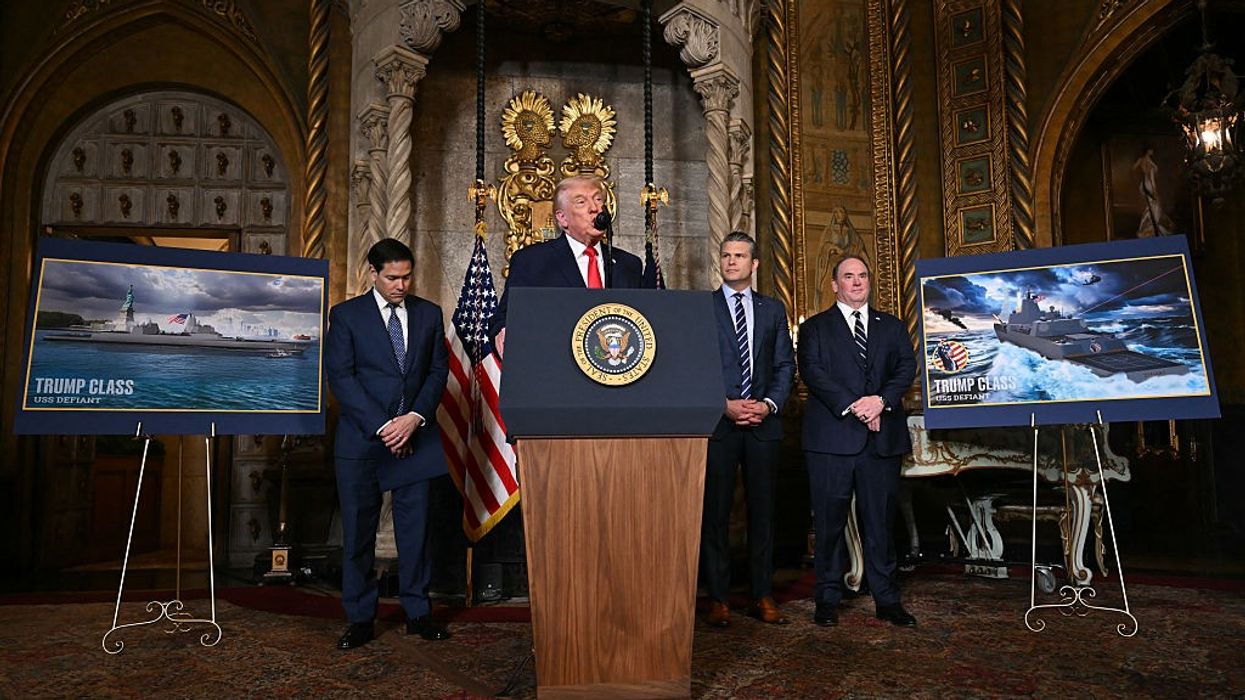
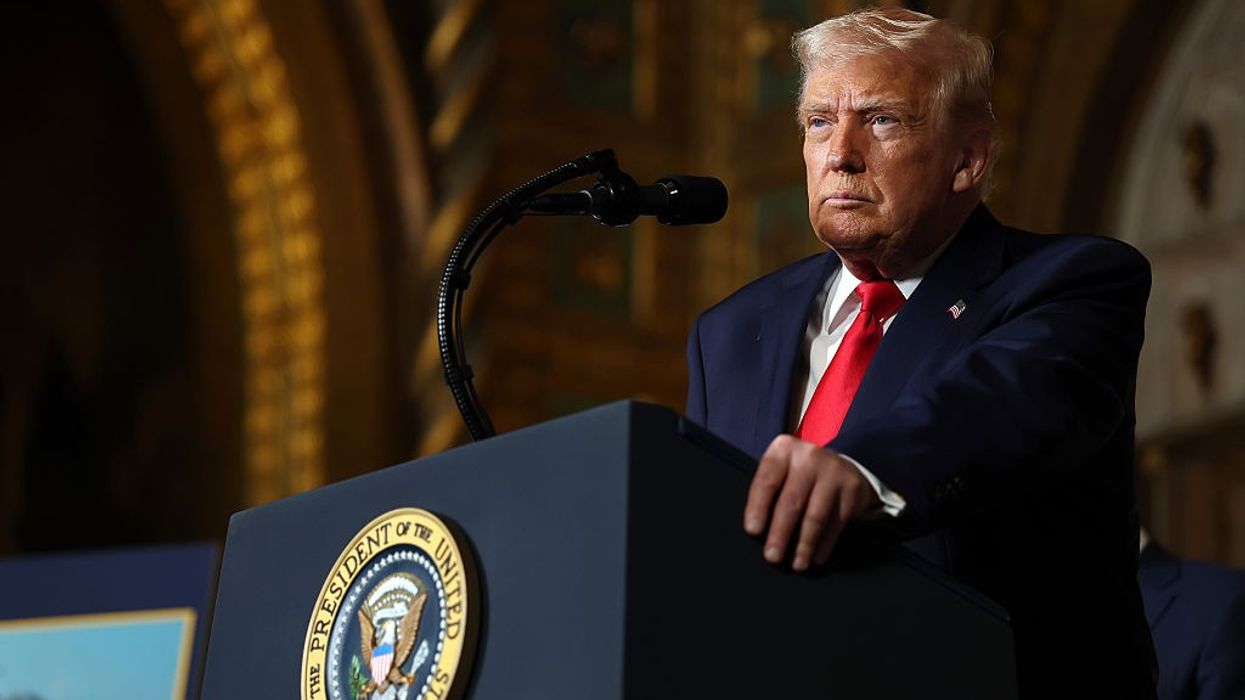
Speaking to the reporters at his Mar-a-Lago residence in Palm Beach, Florida, Trump said that photographs and documents being made public risk destroying the reputations of individuals who 'innocently met' Epstein at social and professional gatherings. The president expressed particular concern for high-profile figures who have come under renewed scrutiny as the materials emerge.
“I like Bill Clinton,” Trump said of the former Democratic president, who appears in photographs included in the first batch of released materials. “I’ve always gotten along with Bill Clinton. I hate to see photos come out of him, but this is what the Democrats, mostly Democrats and a couple of bad Republicans, are asking for.”
Trump argued that Epstein was a well-connected figure who socialized widely, making it misleading to draw conclusions based solely on photos or limited associations. “Everybody was friendly with this guy,” he said. “You probably have pictures being exposed of people who are highly respected bankers, lawyers, and others who really had nothing to do with Epstein.”
The president added that many people are angry about what he described as selective releases, saying a single photograph taken at a party could unfairly damage someone's standing. He pointed to former Treasury Secretary and Harvard professor Larry Summers, who announced in November that he was stepping back from public life after past email exchanges with Epstein became public.
Trump also attempted to downplay the broader focus on the Epstein files, calling them a distraction from what he described as Republican accomplishments. “This whole thing is a way of trying to deflect from the tremendous success that the Republican Party has,” he said, citing defense and industrial initiatives as examples.
The document release stems from the Epstein Files Transparency Act, which passed Congress with near-unanimous support and was signed into law by Trump. The law requires the Justice Department to release all Epstein-related files, but only one batch has been made public so far, prompting criticism from lawmakers and survivors who say the disclosure is incomplete.
On Monday (22), a spokesperson for former president Clinton called for the full release of any remaining materials referencing him. “Someone or something is being protected,” the spokesperson said, urging transparency and warning against selective disclosures that could imply wrongdoing without evidence.
Epstein died in a New York jail in 2019 while awaiting trial on federal sex trafficking charges, in a death ruled a suicide. The release of records related to his case continues to generate political controversy, with pressure mounting for full compliance with the transparency law.